
Lapland in July: Peak Summer (and Peak Mosquitoes)
Updated 15 September 2026.
Some links on this page are affiliate links. If you book through them, I earn a small commission at no extra cost to you. I only recommend services I genuinely trust for Lapland travel.
Lapland in July is warm, green, and alive – and absolutely crawling with mosquitoes. This is the warmest month of the year, with temperatures averaging 20°C (68°F) and occasionally pushing past 25°C. The midnight sun is winding down but daylight is still near-endless. It’s peak hiking season, the first berries are ripening, and rivers are flowing fast. It’s also the month when Finnish families disappear to their mökki (summer cabins) for weeks at a time, and the entire country operates at half speed.
July Lapland is a completely different world from the winter tourism machine – quieter, cheaper, and genuinely wild. You just need to make peace with the mosquitoes.
July Weather: The Warmest Lapland Gets
July is the peak of the Arctic summer. Average highs sit around 20°C, with lows around 10°C at night. On the warmest days, temperatures can hit 25-30°C – genuinely hot by anyone’s standards, and surreal when you’re standing above the Arctic Circle.
That said, don’t count on a heatwave. July is also Lapland’s wettest month, with around 61mm of precipitation spread across the month. Expect about 11 sunny days, mixed with overcast spells and sudden rain showers. Pack layers and a decent rain jacket.
| Metric | July in Lapland |
|---|---|
| Average high | 20°C |
| Average low | 10°C |
| Record low | 1°C |
| Possible highs | 25-30°C |
| Precipitation | ~61mm |
| Sunny days | ~11 |
| Snow | None |
The record low for July is 1°C, so evenings can surprise you. A fleece and a wind-shell layer are worth carrying even on warm days – especially if you’re hiking at altitude or near water.
Daylight: The Midnight Sun’s Last Stand
At the start of July, the sun barely dips below the horizon. In Utsjoki (Finland’s northernmost municipality), you get over 23 hours of daylight on July 1st. Even in Rovaniemi, nights are a pale twilight rather than true darkness.
But the midnight sun is fading – around July 14th, the sun begins setting briefly again in northern Lapland. By the end of the month, you’re looking at roughly 18.5 hours of daylight. Still enormous, but noticeably different from the surreal constant light of late June.
| Date | Sunrise | Sunset | Daylight |
|---|---|---|---|
| July 1 | 00:48 | 23:53 | ~23 hours |
| July 15 | 01:56 | 22:50 | ~21 hours |
| July 31 | 03:04 | 21:43 | ~18.5 hours |
Northern lights? Not a chance. There’s no darkness. If aurora is on your list, you’ll need to come back in autumn or winter.
The Mosquitoes: Let’s Be Honest
This is the part nobody wants to hear. July is peak mosquito season in Lapland. Not “a few buzzing around” – more like clouds of them, particularly near water and in still, forested areas. Weeks 28-30 (roughly early to mid-July) are the absolute worst. They don’t bite through thick clothing, but exposed skin is fair game, and they will find the gap between your hat and your collar.
Finnish people deal with this in a matter-of-fact way: repellent, long sleeves, and a head net for the worst stretches. You should too. A DEET-based repellent or a local product from any K-Market or S-Market will help significantly. A head net looks ridiculous and you will not care once you’re surrounded by mosquitoes at your campsite. Wind helps – exposed fells and ridgelines above the treeline are much better than lakeshores and bogs.
To be clear: the mosquitoes are annoying, not dangerous. Finland has no malaria, no tropical diseases carried by mosquitoes. It’s purely a comfort issue. And by late July, they start thinning out. August is noticeably better.

Hiking: The Best Month for It
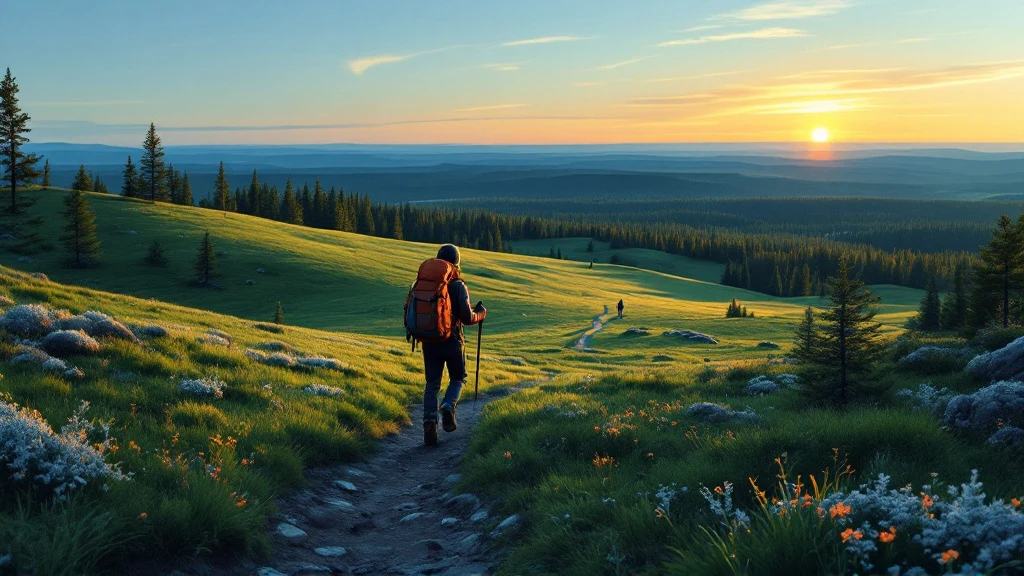
July is the prime hiking month in Lapland. The trails are dry (or at least as dry as they get), the snow is completely gone even at elevation, all wilderness huts and lean-to shelters are accessible, and the endless daylight means you can hike at any hour. National Parks Finland maintains excellent trail maps and hut information for all the major parks.
The marquee trails are at their best now. Urho Kekkonen National Park, Pallas-Yllästunturi, Lemmenjoki – all fully open and hikeable. Multi-day routes with wilderness hut overnights are the classic Finnish way to do it. The trails are free, and the huts (kota shelters and autiotupa wilderness huts) are free and available on a first-come, first-served basis. Guided day hikes run 80-150€ if you prefer someone else to handle navigation and logistics.
July is low season for Lapland’s tourism industry, which means many activity operators run reduced schedules or require minimum group sizes. Book guided activities a few days ahead rather than expecting walk-up availability – and check directly whether your chosen activity is running in summer at all.
Berry Picking: Your Free Lapland Snack
July is when the first berries start ripening. Wild blueberries (mustikka) lead the way, appearing in forests from mid-July onwards. Cloudberries (lakka/hilla) – the prized golden berry of Lapland – begin ripening in bogs and marshes around the same time, though the peak is usually early August. Lingonberries come later in the season.
Here’s the remarkable thing: under jokamiehenoikeus (everyman’s rights), you can pick berries anywhere in Finland – public land, private forests, national parks. No permission needed. This isn’t a loophole; it’s a fundamental right in Finnish law. You can wander into any forest and pick as many berries as you want, for free.
If you’ve never foraged before, guided foraging tours run 50-80€ and will teach you which berries are which, where to find them, and how to spot the best patches. But honestly, blueberries are hard to mistake for anything dangerous, and a handful straight off the bush while hiking is one of the genuine pleasures of Arctic summer. Prices are from the 2025-26 season; 2026-27 rates are being published through the autumn, so check operator websites for current pricing.
River Activities and Fishing
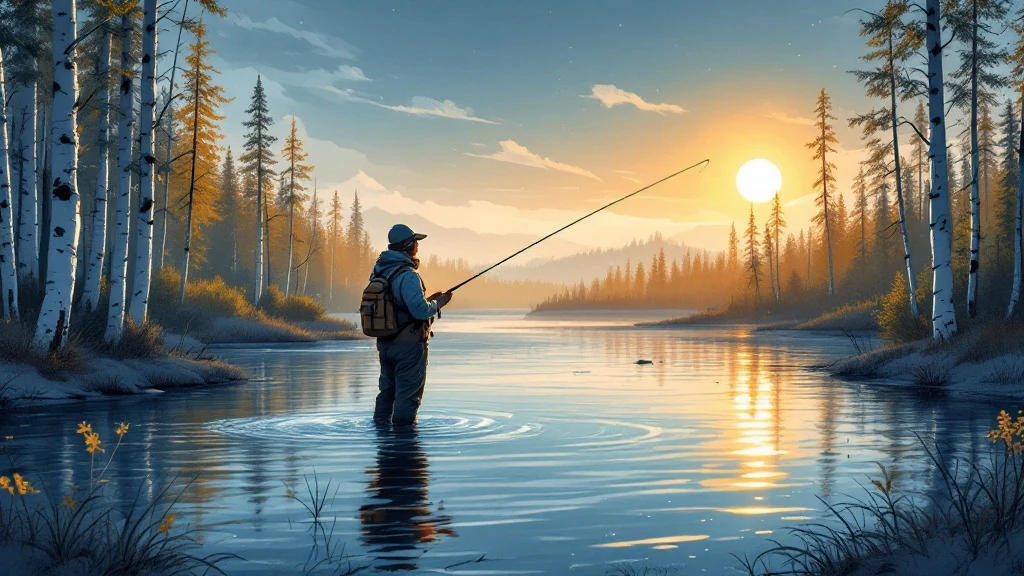
July is the best month for fishing in Lapland. The rivers are flowing, the water temperatures are right, and salmon, trout, and grayling are active. The Teno (Tana) River on the Norwegian border is one of the most famous Atlantic salmon rivers in Europe. Smaller rivers and lakes across the region offer excellent fly fishing and spinning.
River rafting and canoeing are also at their peak. The Ivalojoki, Ounasjoki, and Muonionjoki are popular paddling rivers – ranging from gentle family-friendly floats to more technical rapids depending on the section. Many operators run guided trips, or you can rent canoes and kayaks independently. As with hiking, summer is low season for the tourism industry – confirm availability ahead of time rather than assuming operators are running daily.
A fishing permit is required for anything beyond basic angling with a simple line and hook (which is covered by everyman’s rights). Permits vary by area – check with local tourist offices or online at Visit Finland for current requirements.
The Mökki Vibe: How Finns Do July
July in Lapland feels nothing like winter tourism. There are no safari operators running buses of tourists to see Santa. No snowmobile convoys. Instead, the roads are quiet, the lakeshores are dotted with smoke rising from sauna chimneys, and Finnish families are doing what they do every July: nothing at their mökki.
The mökki (summer cabin) is a central part of Finnish life. Many families have one – often on a lake, often without road access, sometimes without electricity. July is when they use it most. The routine is simple: sauna, swim in the lake, eat, read, pick berries, fish, repeat. No agenda. This is the national recharging ritual.
As a visitor, you can rent a cabin and do exactly the same thing. Budget cabins run 55-120€ per night, mid-range cabins 150-310€, and luxury lakeside properties go up to 300-600€+. July prices are at baseline – no seasonal markup like winter brings. A cabin on a lake with a rowing boat and a sauna is the most Finnish holiday you can have.
Getting to Lapland in July
Summer flights from Helsinki to Rovaniemi, Kittilä, or Ivalo run 80-200€ return with Finnair. Frequency is lower than winter – Ivalo typically has one daily flight, Kittilä one to two. From the UK, you’ll connect through Helsinki, with return flights running 150-400€. There are no direct winter charters in summer.
The overnight train from Helsinki to Rovaniemi (12 hours, departing 18:00-19:00) is a great summer option. Seat: from €23 (typically €50–90), and private sleeping cabin from €69 per cabin. VR (Finnish Railways) runs the service and booking opens well in advance. The train to Kolari (13 hours) is the alternative if you’re heading to the Levi or Ylläs area.
Driving is viable in summer – 830km from Helsinki, roughly 9-10 hours. If you’re already in Finland, it’s a scenic road trip. Break the drive in Oulu, roughly halfway. Car rental runs 50-80€ per day in Lapland.
Frequently Asked Questions
How bad are the mosquitoes in Lapland in July?
They’re genuinely bad, especially in early to mid-July near lakes and in forests. They’re not dangerous – no tropical diseases in Finland – but you’ll want DEET repellent, long sleeves, and a head net for hiking. Wind-exposed fells and ridgelines are much better than sheltered lowland areas.
Can you see the northern lights in July?
No. There’s no darkness in Lapland in July – even at the end of the month, the sky doesn’t get fully dark. The earliest realistic chance for aurora is mid-September.
Is July a good time to visit Lapland?
It’s excellent for hiking, fishing, berry picking, and experiencing the midnight sun. Accommodation prices are at baseline (no winter markup), and the whole region feels peaceful and unhurried. The trade-off is mosquitoes and rain – July is the wettest month. If you prefer fewer bugs, late August offers a similar experience with much less buzzing.
What should I pack for Lapland in July?
Layers: t-shirts for warm days, a fleece and wind-shell for cooler evenings. A proper rain jacket is essential – July showers come on fast. Hiking boots, mosquito repellent, and a head net. Sunscreen too – with 18-23 hours of daylight, UV exposure adds up even when it doesn’t feel hot.
Can you pick berries anywhere in Lapland?
Yes. Under jokamiehenoikeus (everyman’s rights), you can pick wild berries and mushrooms freely on any land in Finland – public or private. You don’t need permission. The main rule is to not cause damage and to respect people’s immediate yard areas.
July won’t give you the Lapland of Christmas cards and snowmobiles. What it gives you is better in some ways: genuine wilderness, long light, warm air, and the quiet rhythm of a Finnish summer. You just need to accept the mosquitoes as part of the package.
Best Booking Resources for Lapland
These are the booking tools I keep coming back to. They consistently offer the best prices, the most relevant options for northern Finland, and actually work well for Lapland-specific searches, which not all platforms do.
- Kiwi.com: The best source for finding flights and airport connections. I have noticed they find flight connections that other search engines miss.
- Booking.com: I almost always use them for booking hotels and apartments (and occasionally flights). They have the best filters and I like the user-friendly interface.
- Hotels.com: The most popular hotel booking platform in many countries, US included.
- Get Your Guide: A massive selection of tours and excursions, including aurora tours, husky rides, reindeer experiences and more!
- EconomyBookings: Want to explore Lapland or chase auroras yourself? They pool together the best offers from car rental operators for your convenience.
- yesim: Need a local SIM for Lapland? A stress-free holiday nowadays (unfortunately) might start from a good connection, so get an eSIM with unlimited or prepaid data.
- Ekta Traveling: Not interested in checking out the Finnish public health care system on your holiday? Didn’t think so 🙂 Good insurance gets that stress out of the way.
As an Amazon Associate I earn from qualifying purchases. Booking through these links costs you nothing extra and helps keep these guides free and up to date. Thank you!

Planning a Lapland trip?
Ask a Finn. The Lapland Trip Planning: Finland group is where readers compare dates, resorts and real prices for the coming winter.
Join the planning groupFollow on FacebookFollow on Pinterest