Lapland in January: The Darkest (and Most Magical) Month
Updated 11 November 2026.
Some links on this page are affiliate links. If you book through them, I earn a small commission at no extra cost to you. I only recommend services I genuinely trust for Lapland travel.
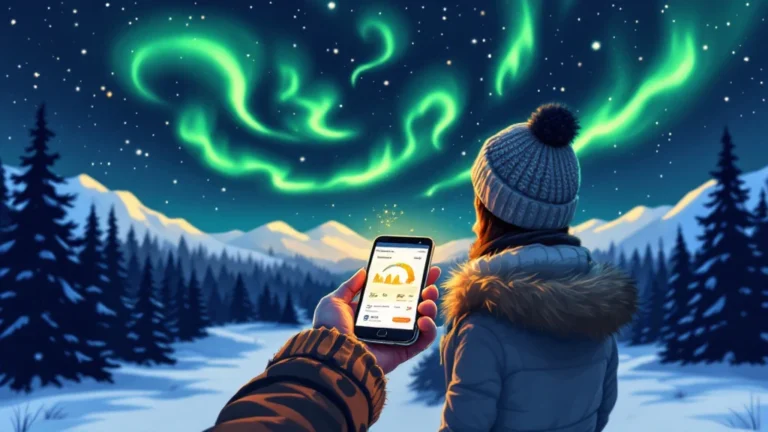
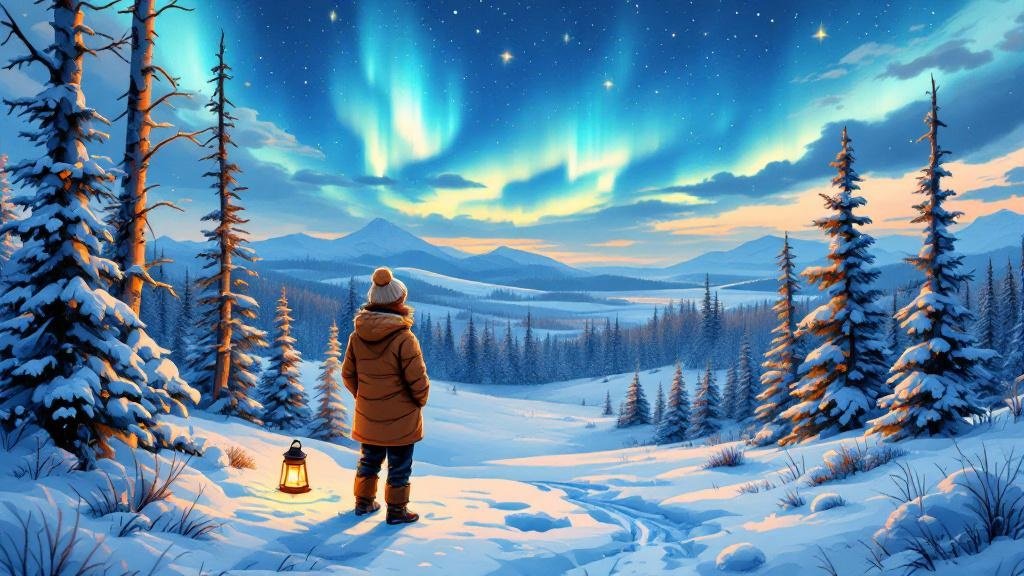
January is the coldest month in Lapland. The sun barely clears the horizon – or doesn’t appear at all in the far north. Snow depths reach 50cm and temperatures sit around −17°C (1°F) at night, dropping to −35°C during cold snaps. And yet January is quietly one of the best months to visit. Most tourists have gone home after Christmas. The snow is perfect. The northern lights are out almost every clear night. And prices are meaningfully lower than December.
If you can handle the cold – and you can, more on that below – January rewards you with Lapland at its most elemental.
Weather in January: What to Actually Expect
Average highs sit around −8°C during the brief midday window. Nights drop to −17°C on average, though cold snaps to −35°C are not uncommon, and Finland’s official record low is −51.5°C, measured at Pokka in Kittilä on 28 January 1999. That number sounds alarming. It isn’t the norm.
The thing most visitors don’t understand until they’re standing in it: dry Arctic cold feels completely different from the damp cold of London or New York. At −25°C (−13°F) with still air, you’re cold, but you’re not suffering. A windy, wet 0°C day in the UK is genuinely more miserable. The air here has no moisture to cut through you. Activity operators provide full thermal oversuits for outdoor excursions – you won’t be standing around in your own coat.
Snow depth in January averages around 50cm – enough for all winter activities to run reliably. Precipitation is low at around 35mm for the month, mostly falling as snow. The landscape is consistent white.
Daylight Hours and Kaamos
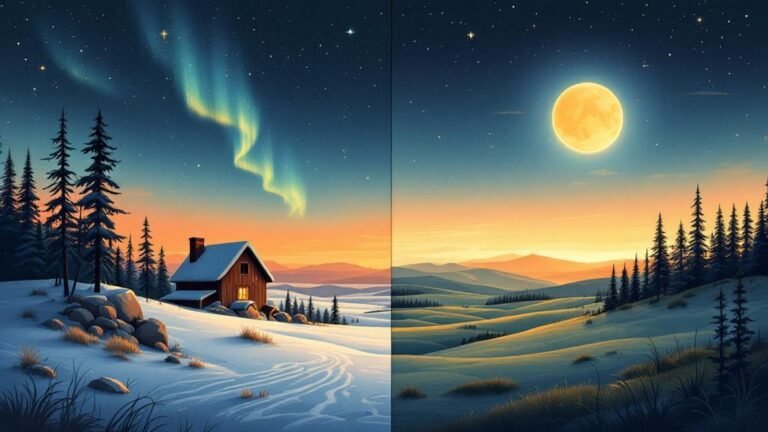
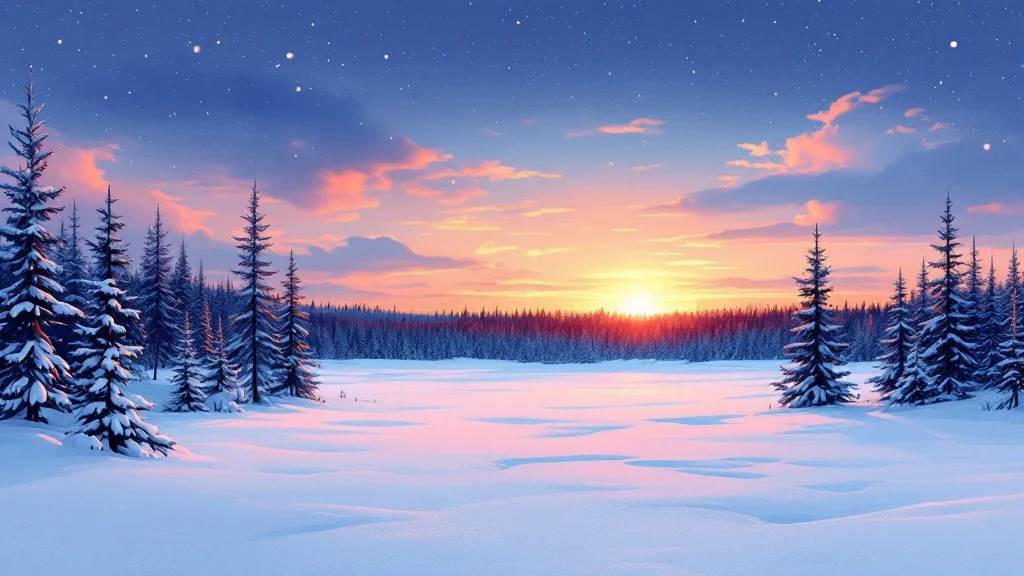
January starts in the deep dark. Rovaniemi, on the Arctic Circle, has no true polar night – the sun rises every day, if only briefly – but further north, around Inari, kaamos (the polar night) lasts until about 10 January, and that first sunrise after weeks of darkness is genuinely something locals mark. The sky turns extraordinary colours – deep orange and pink bleeding into blue – even though the sun itself only clears the treeline for a short time.
At the start of January, Rovaniemi gets under three hours of daylight, with the sun barely clearing the treeline. By the 15th, you’re at over four hours. By the 31st, that’s grown to more than six. It increases quickly.
| Date | Sunrise | Sunset | Daylight |
|---|---|---|---|
| 1 January | 10:58 | 13:43 | ~2.75 hrs |
| 15 January | 10:18 | 14:35 | ~4.25 hrs |
| 31 January | 09:21 | 15:40 | ~6.25 hrs |
Further north – Inari, Saariselkä – polar night lasts longer. If you want to experience kaamos in its full depth, go north. If the darkness sounds like too much, Rovaniemi in late January gives you enough light to feel grounded while still delivering long, dark aurora-hunting nights.
The limited daylight isn’t a problem in practice. Most activities – husky safaris, snowmobile tours, reindeer visits – run in the blue twilight hours and are actually more atmospheric for it. You adapt faster than you expect.
Northern Lights in January
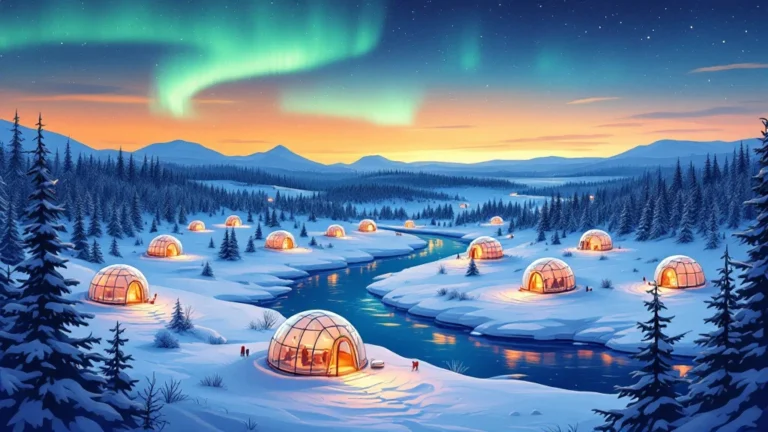
January is one of the best aurora months of the year. Up to 20 hours of darkness every day means the sky is dark from mid-afternoon to well into the morning. The aurora needs a KP index of only 2 to be visible from Finnish Lapland – active conditions, which happen regularly, push it well above that.
The main obstacle is cloud cover. On average, 50–60% of nights in January are cloudy. That means roughly half your nights have a genuine shot at aurora – if you’re there for four or five nights, odds are good you’ll see something. The approach that works best is staying flexible: check the FMI aurora forecast each evening and be ready to go out at short notice. The lights often appear between 10pm and 2am but can show any time after dark.
A guided aurora tour – operators like Book Lapland (79-159€, money back if no aurora), Wild About Lapland (from 129€, max 8 guests) or Beyond Arctic (145€, with a professional photographer) – adds real value in January. Guides chase clear sky patches by driving to locations away from cloud cover. Small-group tours run 4–6 hours.
If you prefer to go independently, any open field, frozen lake, or clearing away from artificial light works fine. Aurora hunting doesn’t require a guide – it requires patience, warm layers, and an app that tracks cloud cover and KP activity.

What to Do in January
Every major winter activity is running at full capacity in January. Snow conditions are reliable, dogs are fit and keen, snowmobile trails are established. Here’s what’s available and what it costs.
Prices are for the 2026-27 season, checked in November 2026, except the multi-day husky expeditions, which are last winter’s rates. They change annually, so check operator websites or booking platforms for current rates.
Husky Safari
January is a good month for huskies: the trails are well packed and the dogs are deep into their season. Self-driven safaris, where you stand on the back of the sled and drive your own team, are the ones worth doing. Roughly: 190-250€ a person, against about 60€ for a short ride with a musher driving.
For something genuinely different, Hetta Huskies runs multi-day expeditions through the Enontekiö wilderness, two to five days, from about 600€ a person. These book out well in advance for January.
In Rovaniemi, Bearhill Husky has a strong ethical reputation. Harriniva in Muonio runs one of the largest farms in Lapland with 400+ dogs.
Snowmobile Safari
A 2-hour shared snowmobile tour as a passenger is roughly 120€ a person. By January the trails are established and the snow is deep, so every route runs. Driving your own machine and the damage cover add about 70€, and the cover is worth taking.
Lapland Safaris operates across multiple locations. In Muonio, Aurora eMotion runs electric snowmobile safaris, quieter and a different experience from the traditional machines.
Reindeer Farm Visit and Sleigh Ride
After 10 January the short sleigh ride at Santa Claus Village drops back from its holiday price to about 30€. A full farm visit with a sleigh ride is roughly 130-160€. SieriPoro Safaris near Rovaniemi has been a herding family since the 1800s. In Inari, the Paadar family farm is Sámi-run and gives a genuinely different cultural dimension to the visit.
Skiing
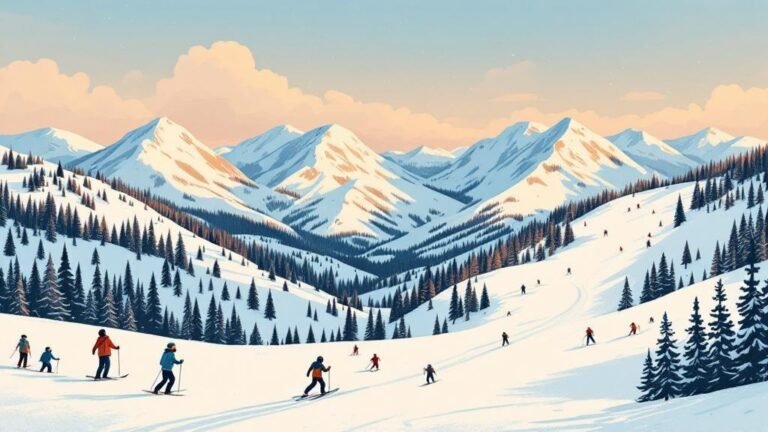
January snow is typically excellent, and the resorts are well below capacity compared with February and the school holidays. Downhill or cross-country, you can usually ski without queues.
Roughly: a day pass at the big resorts (Levi, Ylläs, Pyhä) is about 60€, ski rental about 40-45€ a day, and the cross-country trails are free.
Ice Fishing
Under jokamiehenoikeus – Finland’s everyman’s right, which gives anyone the right to access nature and fish on most public waters – ice fishing with your own gear is free. Drill a hole, drop a line, sit in silence for several hours. Finns find this deeply satisfying. Guided trips with gear, a campfire and hot drinks are roughly 90€. Lake Inari, Finland’s third-largest lake, is a particularly good location.
Crowd Levels and Prices
December is the expensive, busy month. Christmas and New Year drive prices up significantly and fill every flight and cabin. January is the reset.
After the first week – once the New Year period clears – January crowd levels drop noticeably. You’ll share husky kennels with fewer groups. Restaurant bookings are easier. The same landscape, the same snow, fewer tour buses.
The reset has a date, and it is sharper than “after the first week”. Arctic TreeHouse publishes a live rate calendar, and on it the same suite runs about 1,600€ a night in mid-December, holds around 1,300 to 1,400€ through the first days of January, and then drops to 903€ on 7 January, where it stays for the rest of the month. That is not a gentle decline. It is a 40 per cent cut on a fixed date, and every property in Lapland has its own version of it.
The practical consequence: a trip built around 7 to 20 January gets you the deepest cold, the darkest skies of the winter and near-empty kennels, at close to half what the same room costs three weeks earlier. If you can only move your dates by a fortnight, move them across that date rather than away from December in general.
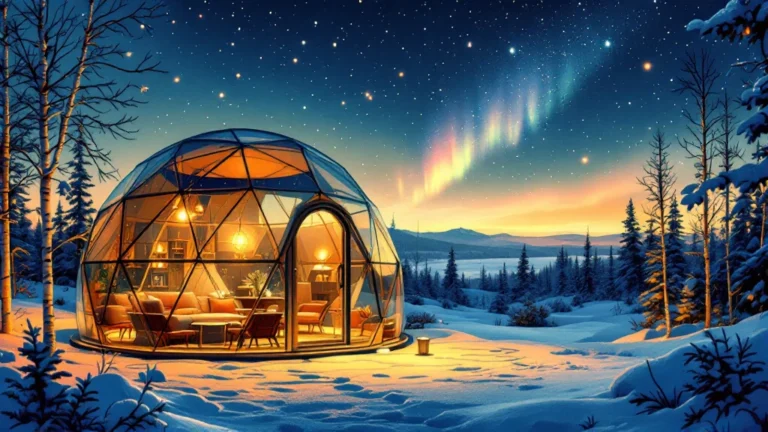
That said, January isn’t cheap by absolute standards, even if hotel rates after the 7th sit close to early March. On a mid-January night in Rovaniemi, a budget room for two (hostel private room, motel or guesthouse) is about 80 to 140€, the cheapest proper hotels about 210 to 270€, and a mid-range four-star hotel about 250 to 450€. A self-catering cabin for four starts at about 150 to 190€ a night, and one with its own sauna is about 230 to 330€. Glass igloos run 609 to 970€ a night for two on a like-for-like January night, and the cheapest of them, the Northern Lights Village cabins at 609€, include dinner as well as breakfast, which nothing else at that price does.
To see what your own dates cost, compare January hotel and cabin prices in Rovaniemi on Booking.com, or search self-catering cabins around Rovaniemi on Lomarengas, the agency Finns book cabins with.
For flights from the UK, Ryanair (Stansted) and easyJet (Gatwick) fly direct to Rovaniemi, and January fares are at the cheaper end of the year: returns from about 125€ (£105). From elsewhere in Europe, most routes connect via Helsinki; compare fares on Kiwi.com. Helsinki to Rovaniemi is 1.5 hours by air, typically 140-250€ return. The overnight trains leave Helsinki at 19:29 and 23:13 and arrive at 07:20 and 10:59: a sleeping cabin is from 59€, and one with its own shower and WC from 84€ (prices per cabin, not per person). It books out fast in winter.
Check January rates
- Arctic TreeHouse Hotel: glass-walled design suites beside SantaPark, breakfast included
- Northern Lights Village Saariselkä: glass-roofed aurora cabins in Saariselkä
- Lomarengas: Rovaniemi cottages: self-catering cabins around Rovaniemi, every cottage inspected
What to Pack for January Specifically
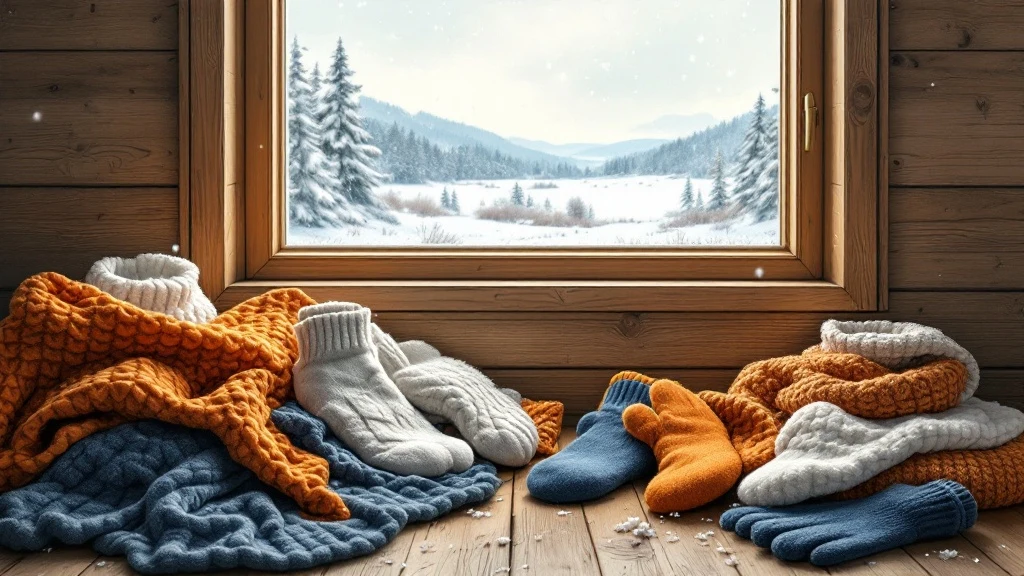
Activity operators provide thermal oversuits, boots, and gloves for outdoor excursions – you don’t need to arrive kitted out for an Arctic expedition just to do a husky safari. What you do need are the right base and mid layers for the time between activities. If you’d rather not buy a full Arctic outfit, you can rent a winter clothing set in Rovaniemi instead.
The essentials for January specifically:
- Thermal base layers – merino wool, not cotton. Two sets minimum. Cotton holds moisture and makes you cold.
- Mid layer – a warm fleece or down jacket. This goes under the oversuit on activities, and works as your main jacket for short outdoor periods.
- Outer layer – windproof and waterproof. Not your city coat.
- Wool socks – at least three pairs of merino socks. Your feet will thank you.
- Face protection – a balaclava or neck gaiter and a hat that covers your ears. At −25°C, exposed skin feels it quickly.
- Insulated gloves or mittens – mittens are warmer. Keep hand warmers in your pocket regardless.
- Winter boots rated to −30°C or lower – this is the item people underinvest in most.
- Sunglasses – January light is low and reflects off snow. Snow blindness is a real thing by late January when the sun returns.
One practical note: phone batteries die fast in extreme cold. Keep your phone in an inner chest pocket, not an outer pocket. A portable battery pack should live in your inside layer too.
January at a Glance
| Factor | January |
|---|---|
| Average high | −8°C |
| Average low | −17°C |
| Daylight (start of month) | ~2.75 hours |
| Daylight (end of month) | ~6.25 hours |
| Aurora probability (clear night) | ~50% |
| Snow depth | ~50cm |
| Crowd level | Low–medium (post-Christmas) |
| Price vs March | Close to early March; late March is cheaper |
| Activities available | All winter activities running |
Book the season’s headline activities
- Northern lights hunt from Rovaniemi: small groups chasing clear skies, free cancellation
- Husky safari in Rovaniemi: small-group tours, free cancellation, instant confirmation
Frequently Asked Questions
Is January too cold to visit Lapland?
Not if you dress appropriately and take the indoor-outdoor rhythm seriously. The dry Arctic air at −20°C genuinely feels less brutal than a wet, windy 0°C in Western Europe. Activity operators provide thermal oversuits for excursions. The cold becomes part of the experience – the sauna at the end of the day feels earned in a way it doesn’t in summer.
Can you see the northern lights in January?
January is one of the best aurora months precisely because of the near-total darkness. Up to 20 hours of dark sky gives the lights a long window to appear. The catch is cloud cover – roughly half of January nights are cloudy. Stay at least four nights and be prepared to head out late. The FMI aurora forecast is the tool to check each evening.
Is there polar night in Rovaniemi in January?
No. Rovaniemi sits on the Arctic Circle, so the sun rises every day, even in midwinter: just under three hours of daylight on 1 January, over four by mid-month and over six by the end of the month. True polar night (kaamos) is further north, around Inari, where the sun stays down until about 10 January.
Is January cheaper than December for Lapland?
Yes, meaningfully so. After the first week of January (the New Year period), crowds drop and accommodation prices fall back from Christmas peak levels. Hotel rates then sit close to early March. The same activities and landscapes cost noticeably less than in December, and the aurora hunting is equally good.
What activities are available in January?
Everything. Husky safaris, snowmobile tours, reindeer farm visits, cross-country and downhill skiing, ice fishing, and aurora tours all run at full capacity throughout January. Snow conditions are reliable and operators are well into their season. The only thing you don’t have is long daylight hours – activities run in the blue twilight and after dark, which is often more atmospheric anyway.
Best Booking Resources for Lapland
These are the booking tools I keep coming back to. They consistently offer the best prices, the most relevant options for northern Finland, and actually work well for Lapland-specific searches, which not all platforms do.
- Kiwi.com: The best source for finding flights and airport connections. I have noticed they find flight connections that other search engines miss.
- Booking.com: I almost always use them for booking hotels and apartments (and occasionally flights). They have the best filters and I like the user-friendly interface.
- Hotels.com: The most popular hotel booking platform in many countries, US included.
- Get Your Guide: A massive selection of tours and excursions, including aurora tours, husky rides, reindeer experiences and more!
- EconomyBookings: Want to explore Lapland or chase auroras yourself? They pool together the best offers from car rental operators for your convenience.
- yesim: Need a local SIM for Lapland? A stress-free holiday nowadays (unfortunately) might start from a good connection, so get an eSIM with unlimited or prepaid data.
- NordVPN: Hotel and airport Wi-Fi is shared with everyone else staying there. A VPN keeps your banking and bookings private, and lets you watch the services you already subscribe to at home while you are away.
- Ekta Traveling: Not interested in checking out the Finnish public health care system on your holiday? Didn’t think so 🙂 Good insurance gets that stress out of the way.
As an Amazon Associate I earn from qualifying purchases. Booking through these links costs you nothing extra and helps keep these guides free and up to date. Thank you!

Planning a Lapland trip?
Ask a Finn. The Lapland Trip Planning: Finland group is where readers compare dates, resorts and real prices for the coming winter.
Join the planning groupFollow on FacebookFollow on Pinterest