
Summer Lapland Itinerary: Midnight Sun & Wilderness
Updated 1 October 2026.
Some links on this page are affiliate links. If you book through them, I earn a small commission at no extra cost to you. I only recommend services I genuinely trust for Lapland travel.
Summer Lapland itinerary – those three words probably don’t appear together in most travel planning. Nearly everyone thinks of Lapland as a winter destination, and they’re missing out. From June to August, Finnish Lapland transforms into something entirely different: 24-hour daylight, temperatures that can reach 20-25°C (68-77°F), vast wilderness with nobody in it, and a freedom you won’t find in the activity-heavy winter season. No need to book safari after safari. Just grab a map, lace up your boots, and walk.
This seven-day itinerary is built around hiking, midnight sun, and the kind of slow outdoor living that Finns themselves come north for. It works best in late June through mid-July for maximum midnight sun, or in August-September if you want fewer mosquitoes and autumn colours instead. The structure is flexible – treat it as a framework, not a rigid schedule. That’s the whole point of summer up here.
When to go: timing your summer trip
The timing question matters more in summer than you might think. Each month has a distinct personality.
| Month | Avg high | Daylight | Mosquitoes | Best for |
|---|---|---|---|---|
| June | 17°C | 21-23+ hours | Arrive mid-June | Midnight sun, longest days |
| July | 20°C | 18-23 hours | Peak – intense | Warmest weather, fishing, midnight sun (until ~Jul 14) |
| August | 17°C | 14-18 hours | Fading | Berry season, most sunshine, first ruska on high fells |
| September | 11°C | 10-14 hours | Gone | Ruska (autumn colours), quiet trails, first aurora |
July gives you the warmest weather and true midnight sun, but you’ll share the landscape with mosquitoes that are no joke – thick clouds of them near water and bogs. August is arguably the sweet spot: most actual sunshine of the year despite shorter days, berry season at its peak, and the mosquitoes retreating. September is cooler but offers ruska – the fell landscape turning orange and red – plus the aurora season opens and the trails are practically empty.
The itinerary: day by day
This route starts in Rovaniemi (the easiest gateway) and heads northwest into fell country, centred on the Pallas-Yllästunturi National Park – Finland’s most visited national park and home to the Hetta-Pallas trail, the country’s oldest marked hiking route (since 1934). You’ll need a rental car for the road sections. Economy car rental runs 60-90€ per day; book early for summer as availability is better than winter but still limited in peak weeks.
Day 1: Arrive in Rovaniemi, drive to Muonio
Fly into Rovaniemi – Finnair operates multiple daily flights from Helsinki, with return fares typically 150-250€ if booked in advance (prices climb steeply closer to the travel date, so book early). From the UK, easyJet flies Gatwick-Rovaniemi seasonally. Pick up your rental car at the airport and drive northwest to the Muonio area. It’s about 220 km, roughly 2.5 hours on quiet, well-maintained roads through birch forest and along river valleys.
Settle into your accommodation in the Muonio or Enontekiö area. In summer, cabin prices drop significantly from winter peaks – budget cabins run 55-120€ per night, mid-range cabins with sauna and kitchen 150-310€. Most cabins come with a sauna and a kitchen, which is perfect for self-catering. Stop at K-Market or S-Market in Muonio for groceries before you head to the cabin. These are well-stocked supermarkets, not tiny village shops.
If you arrive with enough energy, this is your first midnight sun evening. At 11pm the light is golden and low, the landscape is still, and the temperature has dropped to something pleasant. Walk down to the nearest lake or river. Sit there. That’s the activity.
Days 2-5: Hetta-Pallas trail (or a portion of it)
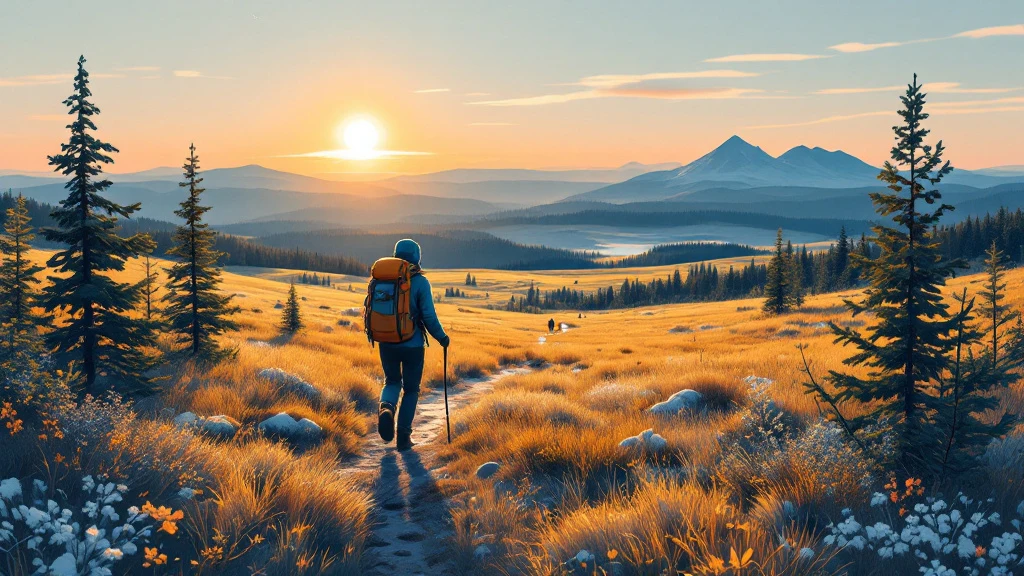
The Hetta-Pallas trail runs 55 km from Hetta (Enontekiö) to the Pallastunturi fell area. The classic route takes four days, crossing open fells with views that stretch to Norway. This is the centrepiece of the trip and the reason to come.
You don’t have to do the full 55 km. The trail passes through several access points, so you can hike a two or three-day section if you prefer. The terrain is above the tree line on the fells – rolling tundra-like landscape with low scrub, lichen, and rock – then drops into birch forest in the valleys between. It’s not technically difficult, but the distances between huts mean you need to be comfortable walking 15-20 km per day with a pack.
Accommodation on the trail is in free wilderness huts (autiotupa) run by Metsähallitus. These are basic: bunks, a wood stove, firewood, and nothing else. First come, first served – carry a sleeping bag and be prepared to pitch a tent if huts are full. There are also reservable rental huts (varaustupa) for a small fee if you want guaranteed shelter. All trail maps and hut details are on nationalparks.fi.
What makes this hike special isn’t technical challenge – it’s the light. On the fells at midnight, with the sun circling low on the horizon and casting long shadows across the tundra, the concept of “time to stop for the day” stops making sense. You walk when you feel like walking. You eat when you’re hungry. The 24-hour daylight removes all structure, and that’s the freedom.
Day 6: Rest, fishing, and berry picking
After the trail, you’ve earned a rest day. Drive back to your cabin base (or to a new one nearer Levi or Muonio). This is the day for slower activities.
Fishing. Lapland’s rivers and lakes hold grayling, trout, and Arctic char. Basic rod-and-line fishing from the shore is covered by jokamiehenoikeus (everyman’s right) – no licence needed. Lure fishing requires a Finnish fishing licence, which you can buy online for a few euros. The rivers around Muonio and Enontekiö are excellent, and in July the midnight sun means you can cast a line at any hour.
Berry picking. If you’re here in late July through September, the forests and bogs are loaded with berries. Blueberries (mustikka) are everywhere and easy to find. Lingonberries (puolukka) ripen from August. The real prize is cloudberry (lakka or hilla) – golden, delicate, growing in bogs, and fiercely guarded by locals who won’t tell you their spots. All berry picking is free under jokamiehenoikeus – you can pick anywhere, including private land.
Sauna. Your cabin almost certainly has one. Light it up. After four days on the trail, this is where you’ll feel the deepest contentment Finland has to offer. Löyly – throwing water on the hot stones – is the heart of it. Don’t rush. If there’s a lake nearby, swim between rounds.
Day 7: Drive south, optional Rovaniemi stop, depart
Drive back to Rovaniemi for your flight. If your flight is in the evening, you have time to explore Rovaniemi itself – the Arktikum museum is genuinely excellent for understanding Lapland’s nature and Sámi culture. Santa Claus Village is open year-round if you’re curious, though it’s more of a winter attraction. Drop off your rental car at the airport and fly south.
Alternative: Urho Kekkonen National Park
If you’d rather base yourself in eastern Lapland, swap the Hetta-Pallas trail for Urho Kekkonen National Park near Saariselkä. Finland’s second-largest national park covers 2,550 km² with over 200 km of marked trails, from easy day loops to multi-week wilderness routes. Fly into Ivalo instead of Rovaniemi – Finnair operates daily flights from Helsinki, and Ivalo is just 25 km from Saariselkä.
UKK Park is wilder and less visited than Pallas-Yllästunturi once you get beyond the day-hike zone. The terrain is different too – more river valleys and old-growth forest rather than open fell tops. The same free wilderness hut network applies.
Mosquito management – the honest section
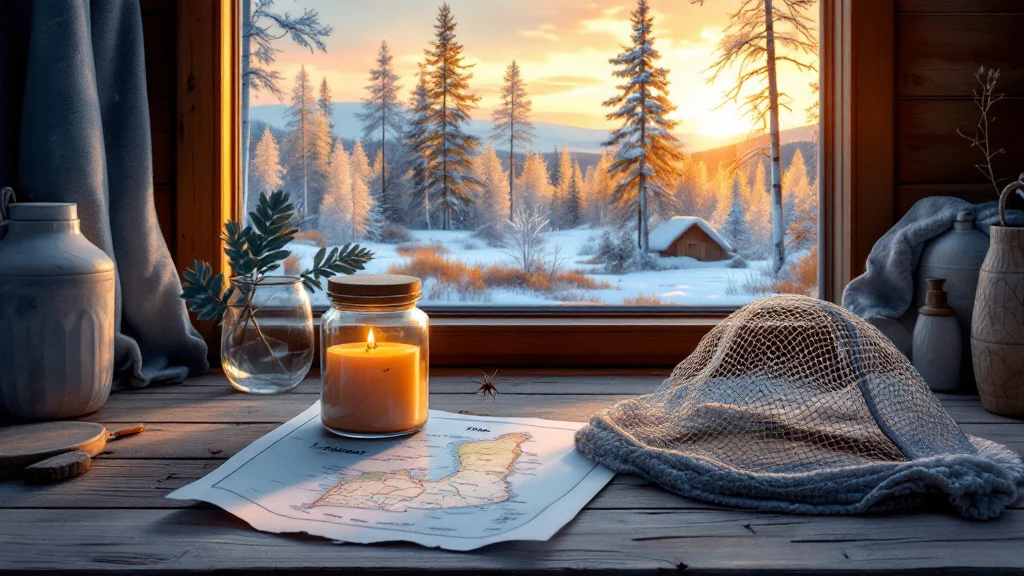
Let’s talk about the thing every Finn will warn you about. July mosquitoes in Lapland are not a minor annoyance. They’re clouds. Dense, persistent, everywhere near water and forest. They won’t ruin your trip, but they will ruin your evening by the lake if you’re unprepared.
Here’s what actually works:
- Head net. Looks ridiculous, works perfectly. Costs a few euros. Wear it on boggy sections and around camp. Finnish hikers all carry one.
- DEET-based repellent (30-50%). Apply to exposed skin. Finnish brands like Off! work well and are available in every K-Market.
- Light-coloured, loose-fitting clothing. Long sleeves, long trousers. Mosquitoes bite through tight fabric.
- Wind and high ground. Mosquitoes hate wind. On open fells and ridgelines, they’re virtually absent. In sheltered birch forests and bogs, they’re at their worst.
- Timing. Late August onwards, the mosquito population crashes. By September they’re gone entirely.
Summer accommodation
Summer accommodation in Lapland is simpler and cheaper than winter. The whole luxury glass igloo and aurora lodge scene shuts down – those are winter products. What you want is a cabin.
Prices for the 2025-26 season: budget cabins run 55-120€ per night, mid-range cabins with proper kitchen and sauna 150-310€. July prices are roughly at baseline, while June and August drop about 20% below that. September is the best value – roughly 30% below peak. Hotels exist too, at 80-130€ for budget and 130-250€ for mid-range, but they make less sense in summer when a cabin with a lake and sauna is the whole experience.
Self-catering saves real money. Supermarket groceries plus one meal out per day runs 30-45€ per person daily. Restaurant mains are 18-25€ for casual food (pasta, pizza) and 28-40€ for Lappish specialities like reindeer or fresh fish. Stock up before heading to smaller villages.
On the trail itself, you’re in wilderness huts (free) or your own tent. No booking needed for the free huts – but no guarantee of a bunk either, especially on the popular Hetta-Pallas route in July.
Summer cottages in Lapland
Lomarengas: cottages across Lapland: the agency Finns book cabins with, every cottage inspected
Ad link: we earn a commission if you book through Lomarengas.
Getting there
Most visitors fly into Helsinki and connect to Lapland. Finnair flights from Helsinki to Rovaniemi take 1.5 hours, with return fares typically 150-250€ – advance deals from 100€ return are possible but sell out fast. For the Saariselkä/UKK Park route, fly to Ivalo instead (200-300€ return typical from Helsinki). From the UK, easyJet operates Gatwick-Rovaniemi. From the US, you’ll connect through Helsinki (or occasionally London or Reykjavik).
The overnight train from Helsinki to Rovaniemi is also an option – 12 hours, departing around 18:00-19:00 and arriving 06:00-08:00. Seats start from 23€, two-person sleeping cabins from 49€ per cabin. Book through Omio for an English-language interface with easy comparison of routes and times, or direct with VR if you prefer. Book early – VR fares climb steeply as the travel date approaches.
You’ll want a rental car for this itinerary. Summer is the easy driving season – dry roads, no ice, endless daylight. Economy cars run 60-90€ per day.
What summer Lapland is really about
Winter Lapland is structured: you book a husky safari at 10am, a snowmobile tour at 2pm, a northern lights chase at 9pm. Someone else organises everything. Summer Lapland is the opposite. The trails are free. The berries are free. The midnight sun is free. The fishing is (mostly) free. You set your own pace, eat when you want, sleep when you’re tired – which might be at 3am because the light tricked your brain into thinking it’s still evening.
This is how Finns use Lapland. No itinerary apps, no booked activities, no transfer buses. Just a cabin, a pair of boots, and more daylight than you know what to do with.
Cover the trip before you book the rest
Travel insurance for Lapland: cover for winter activities and medical costs from Ekta, priced per trip
Frequently Asked Questions
Is summer a good time to visit Lapland?
It’s a different experience from winter but absolutely worth it. You get midnight sun, excellent hiking, and far fewer tourists. Prices are lower, nature is accessible without guided tours, and the landscape – green fells, rushing rivers, wildflowers – is genuinely beautiful. Just be prepared for mosquitoes if you visit in July.
Do I need to book activities for a summer Lapland trip?
Not . The main summer activities – hiking, berry picking, fishing, swimming – are free and self-guided. You might book a guided day hike (80-150€) if you want local knowledge on a specific trail, or a foraging tour (50-80€) to learn what’s edible. But unlike winter, you don’t need a packed schedule of pre-booked safaris.
How bad are the mosquitoes in Lapland?
In July, genuinely bad – especially near water and in forests. A head net and DEET repellent are essential. On open, windy fell tops they’re much less of a problem. From mid-August onwards they fade rapidly, and by September they’re gone. Many experienced hikers specifically avoid July for this reason.
Can I do the Hetta-Pallas trail without camping gear?
The trail has free wilderness huts with bunks and wood stoves, so a tent isn’t strictly required. However, the huts are first-come-first-served and can fill up in peak season. Carry at least a lightweight tent or bivvy as backup, plus a sleeping bag – the huts don’t provide bedding.
What’s the best month for a summer Lapland hiking trip?
Late August is the sweet spot for most people: warm enough for comfortable hiking, mosquitoes dying off, berry season at its peak, and the first autumn colours appearing on the fells. September offers ruska (peak autumn colours) and zero mosquitoes but cooler temperatures, with possible frosts at night.
Best Booking Resources for Lapland
These are the booking tools I keep coming back to. They consistently offer the best prices, the most relevant options for northern Finland, and actually work well for Lapland-specific searches, which not all platforms do.
- Kiwi.com: The best source for finding flights and airport connections. I have noticed they find flight connections that other search engines miss.
- Booking.com: I almost always use them for booking hotels and apartments (and occasionally flights). They have the best filters and I like the user-friendly interface.
- Hotels.com: The most popular hotel booking platform in many countries, US included.
- Get Your Guide: A massive selection of tours and excursions, including aurora tours, husky rides, reindeer experiences and more!
- EconomyBookings: Want to explore Lapland or chase auroras yourself? They pool together the best offers from car rental operators for your convenience.
- yesim: Need a local SIM for Lapland? A stress-free holiday nowadays (unfortunately) might start from a good connection, so get an eSIM with unlimited or prepaid data.
- Ekta Traveling: Not interested in checking out the Finnish public health care system on your holiday? Didn’t think so 🙂 Good insurance gets that stress out of the way.
As an Amazon Associate I earn from qualifying purchases. Booking through these links costs you nothing extra and helps keep these guides free and up to date. Thank you!

Planning a Lapland trip?
Ask a Finn. The Lapland Trip Planning: Finland group is where readers compare dates, resorts and real prices for the coming winter.
Join the planning groupFollow on FacebookFollow on Pinterest