Lapland in June: Midnight Sun and Endless Days
Updated 17 September 2026.
Some links on this page are affiliate links. If you book through them, I earn a small commission at no extra cost to you. I only recommend services I genuinely trust for Lapland travel.
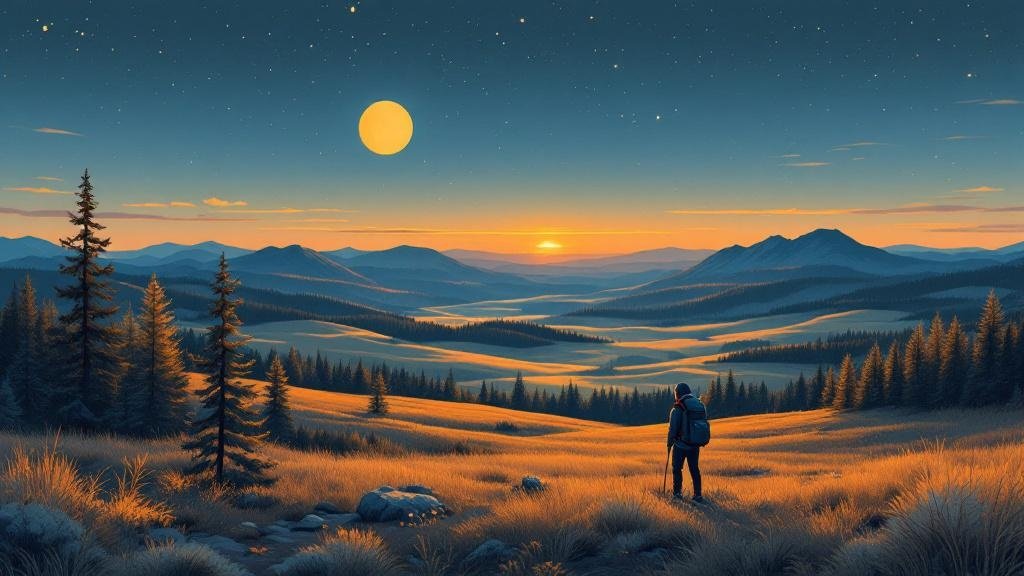
The sun doesn’t set. That’s not a metaphor or a marketing line – in northern Lapland during June, the sun literally stays above the horizon for the entire 24-hour cycle. At midnight, it hangs low over the fells, painting everything in this warm golden light that looks like a perpetual sunset. Your body has no idea what time it is. You’ll eat dinner at 11pm without realising it. You’ll look at your phone at 2am and wonder why you’re wide awake. It’s disorienting, and it’s one of the most remarkable things you can experience in Europe.
June in Lapland is also the month that most tourists ignore entirely. Almost everyone associates Finnish Lapland with snow, northern lights, and huskies. That means June is empty, cheap, and genuinely wild. The hiking season opens, the rivers fill with fish, and the landscape transforms from white to vivid green in a matter of weeks. There’s a catch, of course. The mosquitoes arrive mid-month. But they’re manageable – and the trade-off is worth it.
The Midnight Sun – What It Actually Feels Like
Midnight sun (yötön yö in Finnish – literally “nightless night”) happens because the Earth’s axial tilt keeps the sun above the horizon at high latitudes during summer. The further north you go, the longer it lasts. In Utsjoki, Finland’s northernmost municipality, the sun stays up for over two months straight. In Rovaniemi, at the Arctic Circle, you get about a week of technical midnight sun around midsummer, though the sky never truly darkens from late May through mid-July.
By mid-June, even central Lapland gets 23+ hours of daylight. At the start of the month in Rovaniemi, sunrise is around 01:41 and sunset around 22:48 – that’s over 21 hours of direct sunlight, with the remaining hours in bright twilight. By June 15th, you’re looking at nearly 23.5 hours of sunlight. It never gets dark. Not even close.
The light quality is what catches people off guard. Between roughly 10pm and 2am, the sun sits so low that everything takes on a golden, amber tone. Photographers call this “golden hour” – in June, it lasts for hours. Shadows stretch impossibly long across the fells. It’s beautiful in a way that’s genuinely hard to describe without sounding like a brochure, so I’ll just say: bring a camera and stay awake for it at least once.
Weather and Temperatures
June in Lapland averages 17°C (63°F) for daytime highs and 8°C for overnight lows. That’s T-shirt weather during the day and light-jacket weather in the evening – a world apart from the −25°C that Lapland is famous for. The record high is a startling 31.5°C, set in 1966, though anything above 25°C is unusual. The record low is −4°C, which tells you that early June mornings can occasionally bite.
| Metric | June Average |
|---|---|
| Daytime high | 17°C |
| Overnight low | 8°C |
| Record low | −4°C |
| Record high | 31.5°C |
| Precipitation | ~60 mm |
| Sunny days | ~10 |
| Snow on ground | None |
Despite having essentially 24 hours of daylight, Lapland only averages about 10 genuinely sunny days in June – roughly 7 hours of actual sunshine per day. Overcast skies are common. This is still the sub-Arctic, and clouds roll in frequently. Pack layers and a waterproof shell. You’ll use them.
The lack of wind makes a big difference. On a calm 15°C afternoon in Lapland, you’ll be hiking in a T-shirt. But when clouds move in and a breeze picks up near a fell summit, that same temperature can feel properly chilly. Think of it as unpredictable British summer weather, shifted slightly cooler.
Hiking Conditions
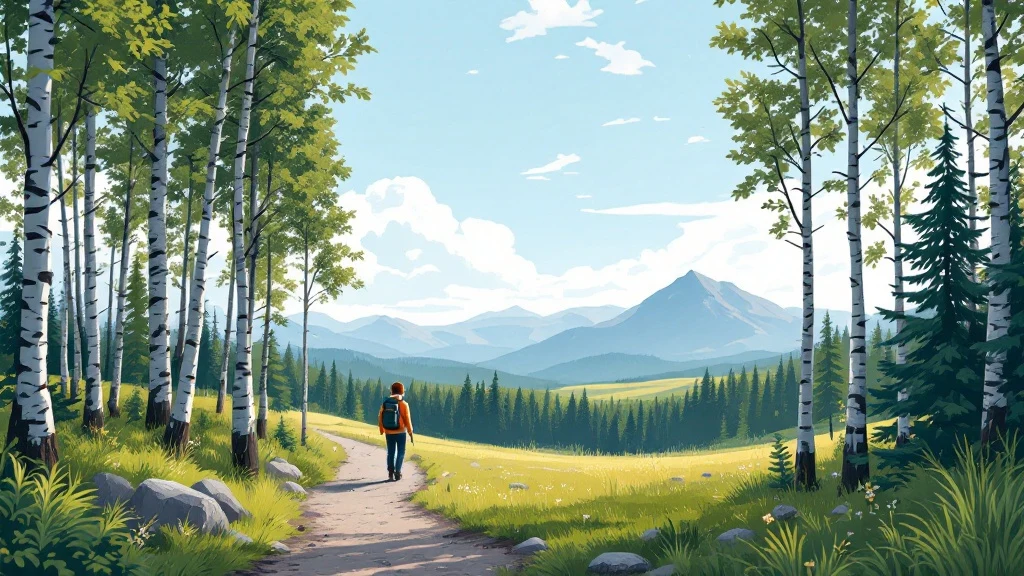
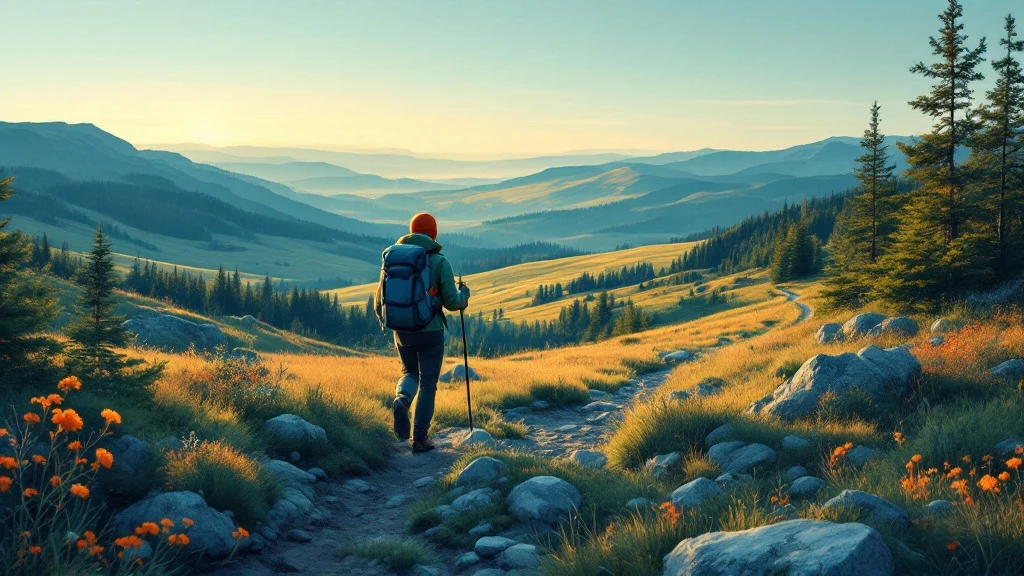
June is when the hiking season properly opens across Lapland. The snow has melted (May’s kelirikko – the muddy shoulder season – is mostly over), trails are accessible, and the landscape has gone green. National parks like Urho Kekkonen, Pallas-Yllästunturi, and Lemmenjoki are all open and walkable.
The trails are maintained by Metsähallitus (National Parks Finland), which operates a network of free wilderness huts, campfire sites, and lean-to shelters along marked routes. Finland’s jokamiehenoikeus (every person’s right to roam) means you can hike, camp, and pick berries almost anywhere – on public or private land – as long as you respect the environment. This is a fundamental right in Finland, not a special permit.
Early June can still have wet patches on lower trails, especially in bogs and marshland areas. Waterproof hiking boots are essential – not just water-resistant, but properly waterproof. The fell tops (tunturi) dry out faster and offer the best views. By late June, most trails are in good condition.
The big advantage of June hiking: you have unlimited daylight. There’s no rushing to reach a hut before dark. You can start a 20km day at 8pm if you feel like it. This fundamentally changes the hiking experience – it’s relaxed in a way that’s hard to achieve elsewhere.
Guided day hikes cost 80-150€ if you want local knowledge and someone to point out the birds and berries. But the trails are well-marked and the wilderness huts are free – self-guided hiking costs nothing beyond your food and gear. Prices are from the 2025-26 season; 2026-27 rates are being published through the autumn, so check operator websites or booking platforms for current rates.

Fishing Season
June is when the rivers and lakes come alive for anglers. The spring melt has passed, water levels are settling, and species like Arctic grayling, brown trout, and Arctic char are active in Lapland’s rivers. For many Finnish anglers, June grayling fishing on a Lapland river is the highlight of the entire year.
Fishing rights in Finland are managed through a licensing system. You’ll need a national fishing management fee (kalastonhoitomaksu), available online from Eräluvat, plus a local lure fishing permit for whatever area you’re fishing. Simple angling with a hook and line (no reel) is covered by jokamiehenoikeus and only requires the national fee. Lure fishing and fly fishing require the additional local permit.
The rivers of Enontekiö, Inari, and Utsjoki are among the best for grayling and trout. The Teno (Tana) river system on the Norwegian border is legendary for Atlantic salmon, though it has its own separate permit system and restrictions that change annually.
The Mosquito Situation – An Honest Assessment
Yes, the mosquitoes are real. They arrive in mid-June and they’re abundant. Lapland’s vast wetlands, bogs, and still waters are perfect breeding habitat, and the warmth of June brings them out in force. This is the number one thing that puts people off visiting Lapland in summer. So let’s be honest about what you’re dealing with.
On a calm, warm evening near a lake or bog, the mosquitoes can be genuinely impressive in their density. They swarm, they whine, and they’ll find any exposed skin. It’s not pleasant if you’re unprepared.
But here’s the thing: Finns have been dealing with this for thousands of years, and the solutions work. A head net (costs a few euros), DEET-based repellent, and long sleeves will reduce the problem to a minor annoyance. Movement helps – on the trail, walking at a normal pace, you’ll barely notice them. They’re worst when you stop: at camp, at fishing spots, at rest breaks. Wind helps too – on fell summits and open ridges, there are often no mosquitoes at all.
The honest comparison: if you’ve experienced Scottish midges, Lapland mosquitoes are larger but less persistent. They don’t bite through clothing. They’re not carrying any diseases. They’re an annoyance, not a danger. Don’t let them scare you off – the people who skip Lapland’s summer because of mosquitoes are missing out on empty trails, midnight sun, and prices that are a fraction of winter.
| Mosquito Factor | Reality |
|---|---|
| When they appear | Mid-June, peak late June through July |
| Worst conditions | Calm, warm evenings near water/bogs |
| Best conditions | Windy days, fell summits, open ground |
| Disease risk | None |
| Effective repellent | DEET-based spray + head net |
| Bite through clothes? | No (unlike midges) |
Prices – Lapland’s Best-Kept Secret
June is one of the cheapest months to visit Lapland. Accommodation costs roughly 20% less than in March. That means the same cabin or hotel room that costs a premium in winter is significantly cheaper now. Winter charter flights from the UK don’t run in June, so you’re looking at connections via Helsinki – but those Helsinki-to-Lapland flights sit at 80-200€ return, and you’ll often land at the lower end of that range in summer.
| Category | June Price Range |
|---|---|
| Hostel (dorm / private) | 29-95€ |
| Budget hotel | 80-130€ |
| Mid-range hotel | 130-250€ |
| Budget cabin | 55-120€ |
| Mid-range cabin | 150-310€ |
| Flights (Helsinki–Lapland return) | 80-200€ |
| Flights (London–Rovaniemi return) | 150-400€ (via Helsinki) |
| Car rental (per day) | 50-80€ |
| Daily food (budget) | 30-40€ |
| Daily food (mid-range) | 50-70€ |
A week in a budget cabin with a rental car and self-catering could work out very affordably. K-Market and S-Market are in all resort towns, well stocked, and restaurant mains typically run 15-25€ when you eat out. Compare that to December, when everything is at peak pricing and booked months in advance. June is a different world.
Getting There
From the UK, you’ll fly via Helsinki – there are no direct summer charters to Lapland (those run December to February only). Helsinki to Rovaniemi takes 1.5 hours with Finnair, with multiple daily flights. Kittilä (for Levi and Ylläs) gets 1-2 daily flights, and Ivalo (for Saariselkä and Inari) gets one daily flight. From the US, fly to Helsinki and connect onwards – it’s a same-day connection.
The overnight train from Helsinki to Rovaniemi is another excellent option. It departs around 18:00-19:00, arrives 06:00-08:00, and Seat: from €23 (typically €50–90). A sleeping cabin starts from €69 per cabin, or from €94 per cabin for a sleeping cabin with shower/WC – genuinely worth the premium. You can book through Omio, which shows all Finnish train and bus options in English with mobile tickets, or book directly with VR if you prefer the Finnish-language interface. The Kolari overnight train is an alternative if you’re heading to the Levi or Ylläs area – 13 hours, with a bus connection from Kolari station.
Driving is possible – it’s about 830km from Helsinki, taking 9-10 hours in summer. Most people fly or take the train unless they want a road trip.
June vs May and July
| May | June | July | |
|---|---|---|---|
| Daylight | 20+ hours, bright nights | 21-23+ hours, midnight sun | 21-23 hours, midnight sun fading |
| Temperature (avg high) | ~10°C | ~17°C | ~20°C |
| Trail conditions | Muddy (kelirikko) | Mostly clear, some wet patches early | Dry and excellent |
| Mosquitoes | Minimal | Arrive mid-month | Peak season |
| Crowds | Very quiet | Quiet | Moderate (Finnish holidays) |
| Prices | Low | Low | Slightly higher (domestic demand) |
May is cheaper and mosquito-free but muddy and cooler. July has the best trail conditions and warmest temperatures but brings peak mosquitoes and more domestic tourists (Finnish summer holidays run from June to August, with July being the main holiday month). June splits the difference well – proper midnight sun, opening hiking season, and the mosquitoes only arrive halfway through.
What About the Northern Lights?
Zero chance. None. The midnight sun and the northern lights are opposites – you need darkness for aurora, and there is no darkness in June. If aurora is your priority, come between September and March. June is for sun, not for lights.
Frequently Asked Questions
Does the sun really not set in June in Lapland?
In northern Lapland (Utsjoki, Inari), the sun stays above the horizon continuously from late May through mid-July. In Rovaniemi at the Arctic Circle, the true midnight sun lasts about a week around midsummer (June 20-23), but the sky never gets properly dark from late May through mid-July. Even at midnight, you could comfortably read a book outside.
Are the mosquitoes that bad?
They’re noticeable but not dangerous. Mid to late June sees them emerge, worst near bogs and still water on calm evenings. A DEET repellent and head net reduce them to background noise. The fell tops and windy ridges are often completely mosquito-free – plan your rest stops there.
What should I pack for Lapland in June?
Layers are key: T-shirts and shorts for warm days, a fleece or light down jacket for evenings, and a waterproof shell for rain. Waterproof hiking boots are essential for trails with wet patches. A head net and DEET repellent for mosquitoes, and a quality sleep mask – you’ll regret skipping that one.
Is June a good time for families visiting Lapland?
Excellent, actually. The mild weather, endless daylight, and low prices make it family-friendly. Children can stay outside for hours (the sun never sets, so no early darkness), reindeer farms operate in summer, and you’ll avoid the winter-season crowds and costs. Just prepare the kids for mosquitoes with kid-safe repellent and long sleeves.
Can I see reindeer in Lapland in June?
Yes. Reindeer roam semi-wild across Lapland year-round, and you’ll likely see them grazing near roads and trails. Reindeer farm visits also operate in summer – expect to pay 35-140€ depending on the experience. Summer visits focus on the calving season and herding culture rather than sleigh rides.
June is Lapland stripped of its postcard image – no snow, no aurora, no Santa. What’s left is raw and quiet: fell after fell in green summer light, rivers full of fish, trails you’ll have to yourself, and a sun that refuses to sleep. If that sounds like your kind of trip, it probably is.
Best Booking Resources for Lapland
These are the booking tools I keep coming back to. They consistently offer the best prices, the most relevant options for northern Finland, and actually work well for Lapland-specific searches, which not all platforms do.
- Kiwi.com: The best source for finding flights and airport connections. I have noticed they find flight connections that other search engines miss.
- Booking.com: I almost always use them for booking hotels and apartments (and occasionally flights). They have the best filters and I like the user-friendly interface.
- Hotels.com: The most popular hotel booking platform in many countries, US included.
- Get Your Guide: A massive selection of tours and excursions, including aurora tours, husky rides, reindeer experiences and more!
- EconomyBookings: Want to explore Lapland or chase auroras yourself? They pool together the best offers from car rental operators for your convenience.
- yesim: Need a local SIM for Lapland? A stress-free holiday nowadays (unfortunately) might start from a good connection, so get an eSIM with unlimited or prepaid data.
- Ekta Traveling: Not interested in checking out the Finnish public health care system on your holiday? Didn’t think so 🙂 Good insurance gets that stress out of the way.
As an Amazon Associate I earn from qualifying purchases. Booking through these links costs you nothing extra and helps keep these guides free and up to date. Thank you!

Planning a Lapland trip?
Ask a Finn. The Lapland Trip Planning: Finland group is where readers compare dates, resorts and real prices for the coming winter.
Join the planning groupFollow on FacebookFollow on Pinterest