Lapland in September: Ruska Colors and Aurora Season Opens
Updated 17 September 2026.
Some links on this page are affiliate links. If you book through them, I earn a small commission at no extra cost to you. I only recommend services I genuinely trust for Lapland travel.
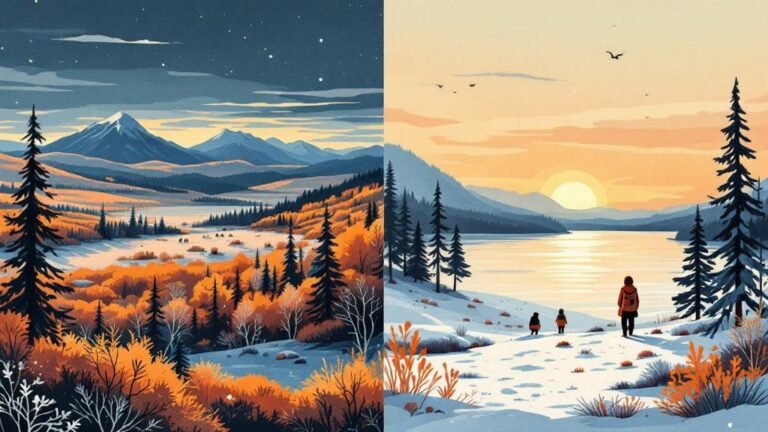
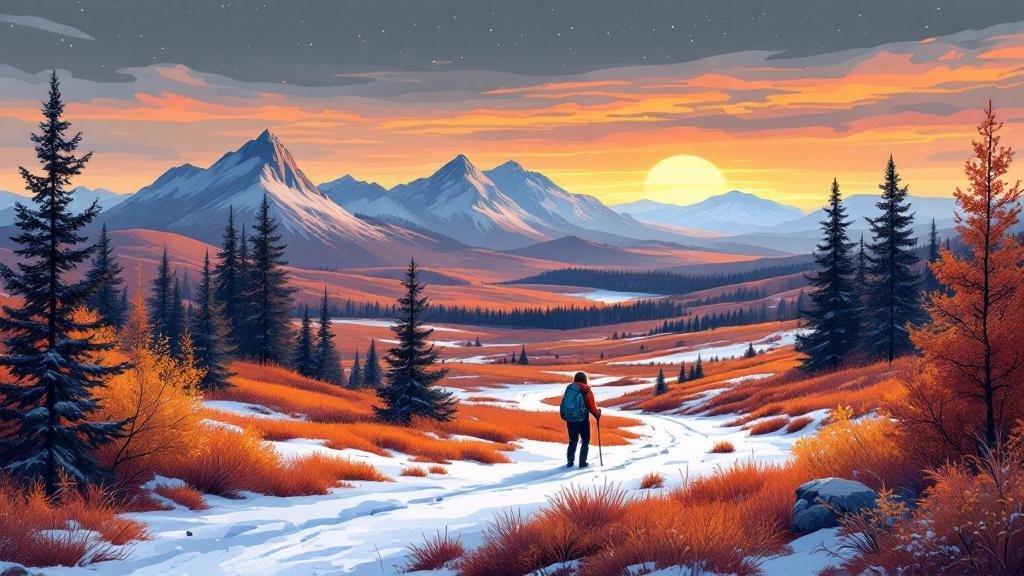
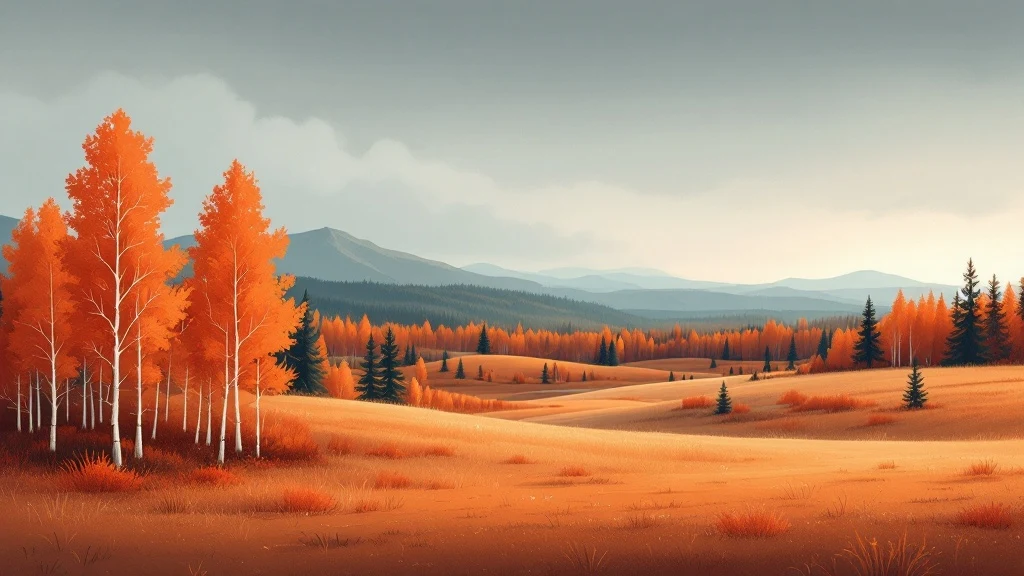
September in Lapland is when the fells catch fire. Not literally – but the colours come close. The birch trees turn gold, the ground cover blazes red and orange, and the whole landscape looks like someone cranked the saturation slider to maximum. Finns call this ruska, and it’s the reason Finnish hikers consider September the single best month to be in Lapland. Cool air, no mosquitoes, colours that rival New England – and almost nobody from outside Finland knows about it.
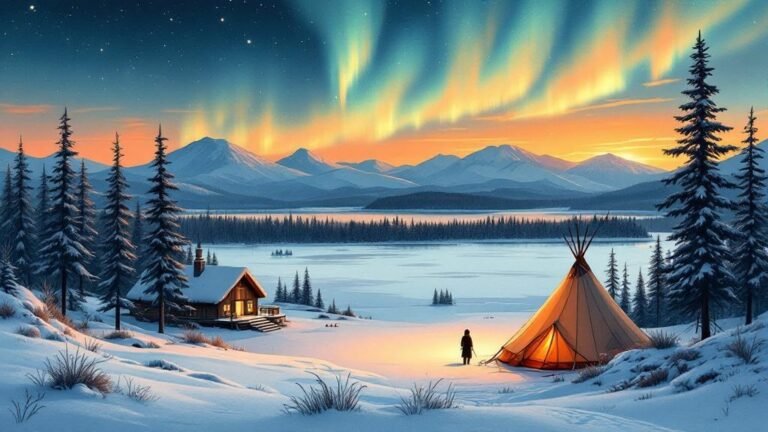
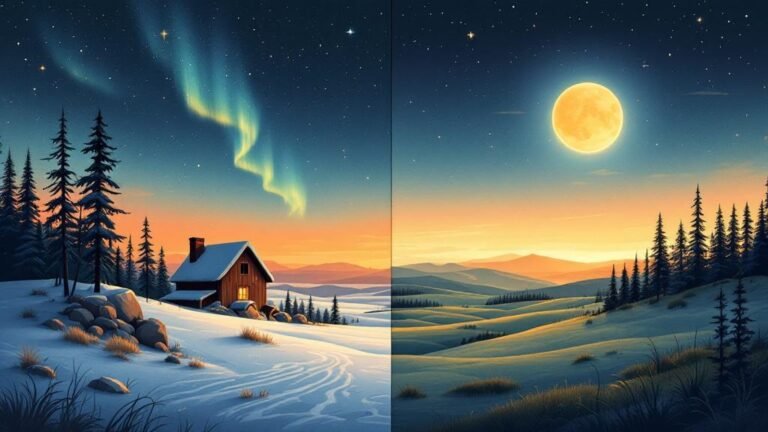
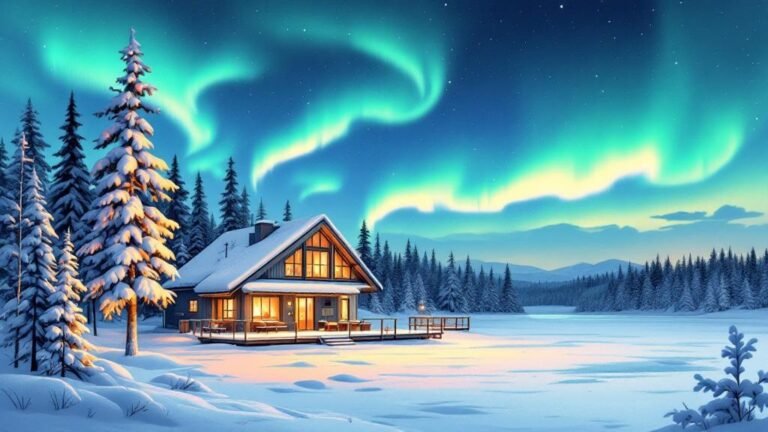
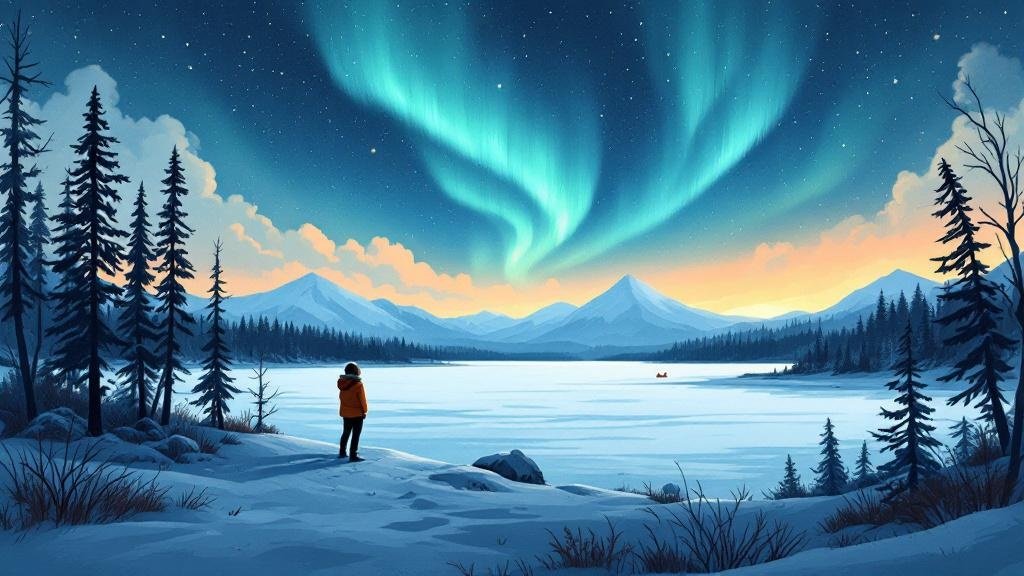
Here’s the other thing about September: the dark skies return. After months of midnight sun and endless twilight, nights get properly dark again. The aurora season opens. So for a brief window, you can watch the northern lights dance above a landscape still dressed in autumn colours – no snow on the ground, no thermal oversuit required. It’s a combination you genuinely cannot get anywhere else on the planet at this time of year.
Weather and Daylight in September
September weather in Lapland is cool but comfortable – genuinely pleasant for outdoor activity. Average highs sit around 11°C (52°F), lows around 3°C. You’ll want layers, but this isn’t Arctic survival territory. The first frosts arrive, usually in the second half of the month, and the air has that crisp, clean quality that makes you want to walk for hours. No snow yet – that’s still a month or two away.
Daylight drops noticeably through the month. Early September still gives you over 14 hours of daylight (sunrise around 05:06, sunset 19:28). By the end of the month, you’re down to about 10.5 hours (sunrise 06:49, sunset 17:25). This matters for two reasons: you have plenty of light for hiking during the day, and enough darkness at night for aurora hunting. It’s the sweet spot.
| Date | Sunrise | Sunset | Daylight Hours | Dark Hours for Aurora |
|---|---|---|---|---|
| 1 September | 05:06 | 19:28 | ~14.5 | Limited |
| 15 September | 05:55 | 18:29 | ~12.5 | Good |
| 30 September | 06:49 | 17:25 | ~10.5 | Excellent (~10 hours) |
Precipitation averages about 50mm for the month – roughly the same as an average month in southern England. Expect a mix of clear days and overcast ones, with about 7 sunny days. Rain is possible but rarely heavy or sustained. Pack a waterproof layer and you’re sorted.
Ruska: When and Where to See the Autumn Colours
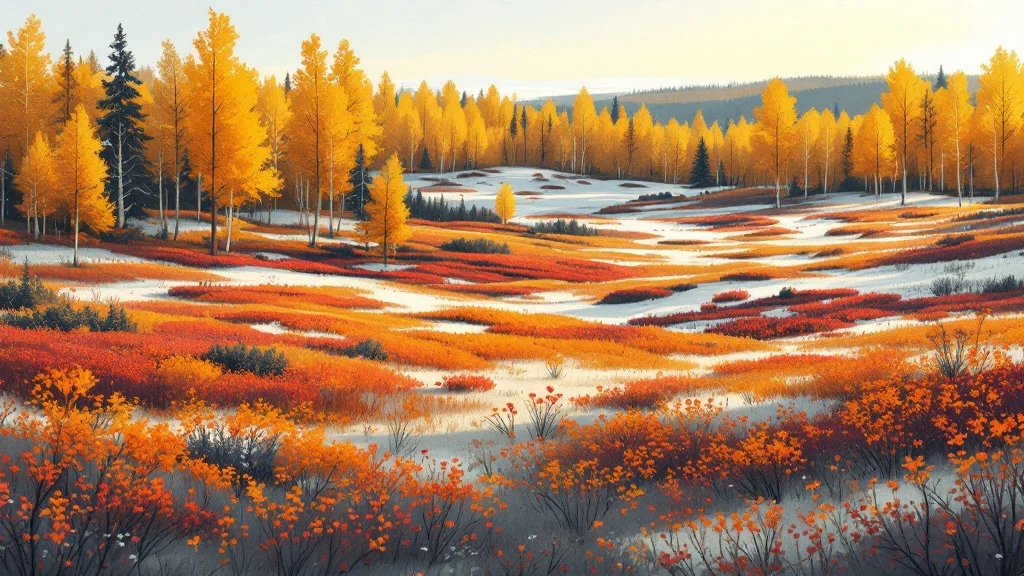
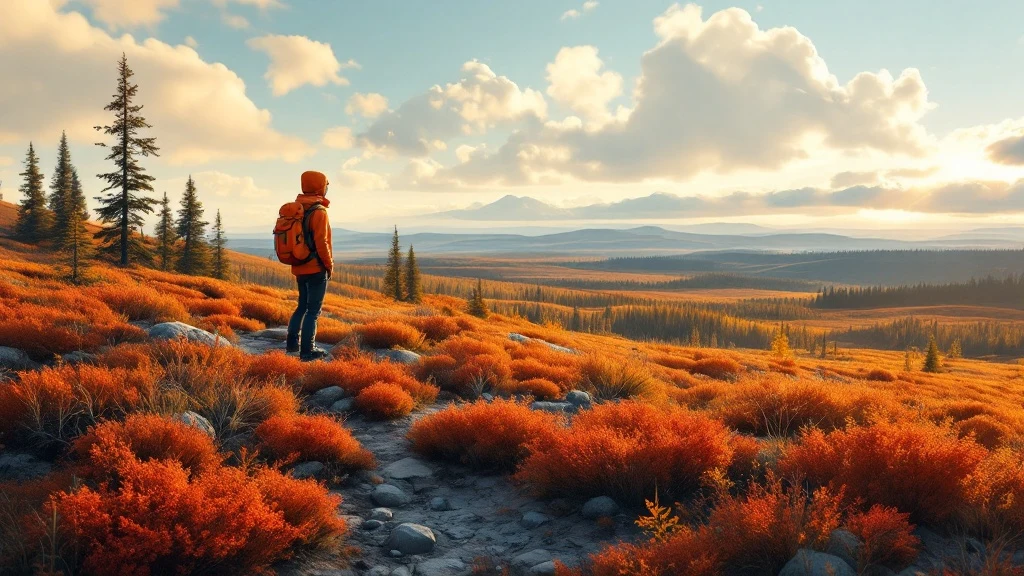
Ruska isn’t one event – it’s a wave. The colours start in the highest and northernmost fells in early September and sweep south and downhill over roughly three weeks. At higher elevations, the ground-level plants (lingonberry, crowberry, dwarf birch) turn first, painting the fells in reds and deep oranges. Then the birch trees join in with gold and yellow. By mid-September, the whole landscape is ablaze.
Peak ruska typically hits between 10-25 September in most of Lapland, though it varies year to year depending on temperature and rainfall. The FMI (Finnish Meteorological Institute) and National Parks Finland both track ruska progression – check their updates before finalising your travel dates.
The best ruska viewing is from high ground. Fell tops in Urho Kekkonen National Park near Saariselkä, the trails around Kilpisjärvi, the slopes above Levi and Ylläs – anywhere you can look out across the landscape and see the full colour palette. River valleys are spectacular too, with reflections doubling the impact.
Aurora Season Opens
After months of midnight sun made aurora viewing impossible, September marks the return of dark skies – and with them, the northern lights. Aurora activity doesn’t actually stop during summer; you just can’t see it. By mid-September, you have enough darkness for genuine aurora hunting, with roughly 10 dark hours by month’s end.
September is actually one of the stronger aurora months. The equinox effect increases geomagnetic activity, and the probability of seeing aurora on a clear night sits around 45%. A KP index of just 2 is enough to trigger visible displays this far north. The best viewing hours are between 21:00 and 04:00.
The combination of aurora and ruska is September’s secret weapon. In winter, northern lights shimmer over white snow and dark forest – beautiful, but monochrome. In September, they dance above a palette of orange, red, and gold. Photographers travel from around the world for this combination, though the word still hasn’t spread to mainstream tourism.
Group aurora tours run from mid-September onward, typically costing 75-100€ for a 3-4 hour group tour, or 130-140€ for a photography-focused tour. Private and small group experiences start from 200€ and up. Operators like Aurora Service in Inari and Book Lapland in Rovaniemi run dedicated trips. Prices are from the 2025-26 season; 2026-27 rates are being published through the autumn, so check operator websites or booking platforms for current rates.
You can also hunt aurora independently. Get away from town lights, check the FMI aurora forecast, and be patient. September aurora often starts earlier in the evening than midwinter displays – you don’t always need to stay up until 2am.
Hiking in September: The Best Month for It
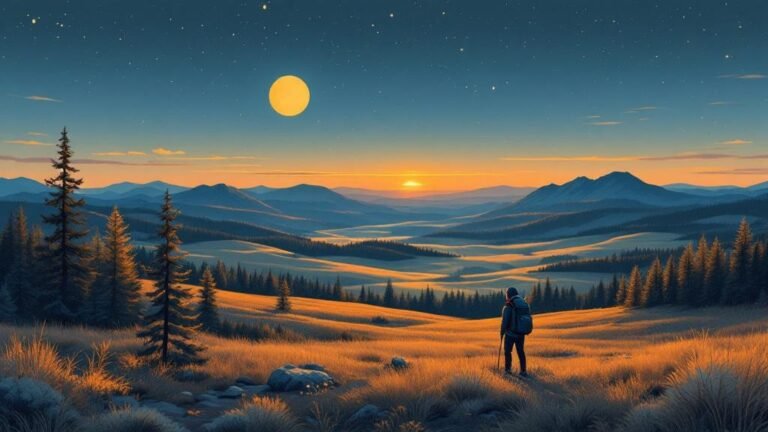
Ask Finnish hikers when to go to Lapland and most will say September without hesitation. The reasons stack up: cool temperatures perfect for walking (no overheating, no sunburn risk like midsummer), zero mosquitoes (they’re gone after the first frost), the ruska colours surrounding every trail, and enough daylight to cover serious distance.
Trails and wilderness huts are free to use – this is jokamiehenoikeus (everyman’s right) in action. Finland’s national parks have well-maintained trail networks with shelters, campfire sites, and basic huts. You don’t need a permit, you don’t need to book, and you certainly don’t need a guide unless you want one. Guided day hikes run 80-150€ if you prefer company and local knowledge.
The major national parks in Lapland – Urho Kekkonen, Pallas-Yllästunturi, Lemmenjoki – are all spectacular in September. Trails that felt busy in July (by Finnish standards, which means you saw four other people) are practically empty. You can walk for hours without seeing another soul.
Zero Crowds, Lower Prices
September sits in the gap between summer season (June-August) and the winter rush (December-March). Tourist infrastructure is open – hotels, restaurants, rental companies – but operating at a fraction of winter capacity. You’ll have trails, restaurants, and viewpoints largely to yourself.
This translates directly to your wallet. September prices run roughly 30% below March. That’s a meaningful discount on everything from accommodation to flights.
| Category | September Price Range | Notes |
|---|---|---|
| Flights (Helsinki-Lapland return) | 80-200€ | Finnair to Rovaniemi, Kittilä, or Ivalo |
| Flights (London-Rovaniemi return) | 150-400€ | Via Helsinki (no direct charters in Sept) |
| Budget hotel | 80-130€/night | Standard room |
| Mid-range hotel | 130-250€/night | Good facilities |
| Budget cabin | 55-120€/night | Basic self-catering |
| Mid-range cabin | 150-310€/night | Own sauna, good kitchen |
| Hostel | 29-95€/night | Dorms from 29€, private rooms 80-95€ |
| Car rental | 50-80€/day | No winter tyres needed in September |
| Food (budget) | 30-40€/day | Supermarket + one meal out |
| Food (mid-range) | 50-70€/day | Restaurant meals |
There’s a catch, of course: no snow activities. Husky safaris, snowmobile tours, skiing – none of that exists yet. If snow is what you’re coming for, September isn’t your month. But if hiking, aurora, and autumn colours sound like enough (and they are more than enough), this is arguably the best value month in Lapland.
What You Can (and Can’t) Do
Let’s be honest about what September offers and what it doesn’t.
| Activity | Available? | Cost |
|---|---|---|
| Hiking (national parks, fell trails) | ✓ Prime season | Free (guided: 80-150€) |
| Northern lights tours | ✓ From mid-September | 75-200€+ |
| Berry picking & foraging | ✓ Peak lingonberry season | Free (guided: 50-80€) |
| Reindeer farm visits | ✓ Running | 35-140€ |
| Sauna | ✓ Always | Included in most cabins/hotels |
| Husky safari | ✗ No snow | — |
| Snowmobile safari | ✗ No snow | — |
| Skiing (downhill or cross-country) | ✗ No snow | — |
| Ice fishing | ✗ No ice | — |
Reindeer are year-round residents, so farm visits run in September – you just won’t be doing a sleigh ride. Expect a walking tour through the herd, feeding them, and learning about the Sámi herding tradition. A short visit runs 35-60€, with longer cultural experiences at 125-140€. Sámi-run operations like Paadar in Inari offer the most authentic experience.
Getting to Lapland in September
No direct charter flights from the UK or mainland Europe run in September – those are a winter-only thing. You’ll connect through Helsinki, which adds time but isn’t complicated. Finnair operates multiple daily flights from Helsinki to Rovaniemi (1.5 hours, 80-200€ return), 1-2 daily to Kittilä (for Levi, same price range), and one daily to Ivalo (for Inari and Saariselkä, 1.75 hours). From the UK, expect 150-400€ return for London to Rovaniemi via Helsinki. From the US, you’ll also route through Helsinki.
The overnight train is a good alternative. The Santa Claus Express departs Helsinki at 18:00-19:00 and arrives in Rovaniemi at 06:00-08:00. Seat: from €23 (typically €50–90), private sleeping cabin from €69 per cabin, and cabins with shower from €94 per cabin. You can also book through Omio, which has all Finnish trains and buses in one English-language platform with mobile tickets – handy for first-time visitors. There’s an equivalent overnight service to Kolari (13 hours), useful if you’re heading to the Levi or Ylläs area.
A rental car is genuinely useful in September. Roads are dry and easy – no winter driving skills needed, no studded tyres required. At 50-80€ per day, a car lets you chase ruska to the best viewpoints and reach trailheads that buses don’t serve.
Who Should Visit in September
September is perfect for hikers, photographers, aurora hunters, and anyone who wants Lapland without the crowds or the cold. It’s particularly good for travellers on a moderate budget – prices around 30% below March, combined with free hiking and foraging means you can have a rich trip without spending heavily on activities.
It’s not the right month if you want snow. Full stop. No husky safaris, no snowmobiles, no skiing, no ice fishing. If those are non-negotiable for you, look at December through April instead. September also isn’t ideal for families with very young children – the main draws (hiking, aurora hunting, foraging) suit adults and older kids who can handle multi-hour walks.
Frequently Asked Questions
When exactly does ruska peak in Lapland?
Peak ruska typically falls between 10-25 September in northern Lapland, though it varies by a week or so depending on autumn temperatures. Colours start at higher elevations and move downhill, so you can often find peak colour somewhere in Lapland throughout the entire month. Check the National Parks Finland website for real-time ruska tracking updates.
Can you see the northern lights in September?
Yes – September is one of the better aurora months. The autumn equinox boosts geomagnetic activity, and by mid-September you have enough dark hours for good viewing. Aim for the second half of the month when nights are longest, and check the FMI aurora forecast for real-time predictions.
Is September too cold for outdoor activities in Lapland?
Not at all. Daytime temperatures average around 11°C, which is ideal for hiking – warm enough to be comfortable, cool enough that you don’t overheat. Evenings drop toward 3°C, and occasional frosts are possible. Think UK autumn weather. A good layering system and a waterproof jacket are all you need.
Are mosquitoes still a problem in September?
No. The first frosts of September kill off the mosquitoes that plague Lapland in June and July. This is one of the main reasons Finnish hikers prefer September – you can stop, sit down, and enjoy a view without being swarmed. Bliss.
What should I pack for Lapland in September?
Layer for temperatures between 0-15°C. A warm fleece or insulated mid-layer, a waterproof outer shell, sturdy hiking boots with ankle support, and a warm hat and gloves for evenings. If you’re aurora hunting, bring an extra warm layer – standing still at midnight is colder than hiking at noon.
September is Lapland’s quiet masterpiece – the month the tourism industry doesn’t promote because it doesn’t fit neatly into the “” brand. Finnish hikers have kept this secret for decades. Now you know.
Best Booking Resources for Lapland
These are the booking tools I keep coming back to. They consistently offer the best prices, the most relevant options for northern Finland, and actually work well for Lapland-specific searches, which not all platforms do.
- Kiwi.com: The best source for finding flights and airport connections. I have noticed they find flight connections that other search engines miss.
- Booking.com: I almost always use them for booking hotels and apartments (and occasionally flights). They have the best filters and I like the user-friendly interface.
- Hotels.com: The most popular hotel booking platform in many countries, US included.
- Get Your Guide: A massive selection of tours and excursions, including aurora tours, husky rides, reindeer experiences and more!
- EconomyBookings: Want to explore Lapland or chase auroras yourself? They pool together the best offers from car rental operators for your convenience.
- yesim: Need a local SIM for Lapland? A stress-free holiday nowadays (unfortunately) might start from a good connection, so get an eSIM with unlimited or prepaid data.
- Ekta Traveling: Not interested in checking out the Finnish public health care system on your holiday? Didn’t think so 🙂 Good insurance gets that stress out of the way.
As an Amazon Associate I earn from qualifying purchases. Booking through these links costs you nothing extra and helps keep these guides free and up to date. Thank you!
Planning a Lapland trip?
Ask a Finn. The Lapland Trip Planning: Finland group is where readers compare dates, resorts and real prices for the coming winter.
Join the planning groupFollow on FacebookFollow on Pinterest