Lapland in February: Light Returns (But So Do the Crowds)
Updated 17 September 2026.
Some links on this page are affiliate links. If you book through them, I earn a small commission at no extra cost to you. I only recommend services I genuinely trust for Lapland travel.
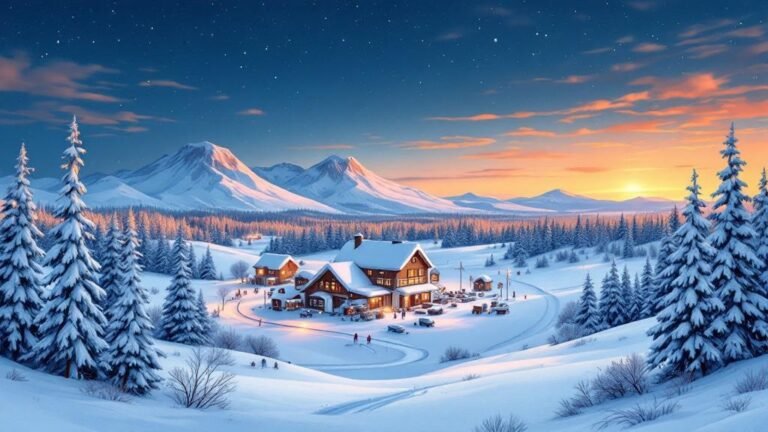
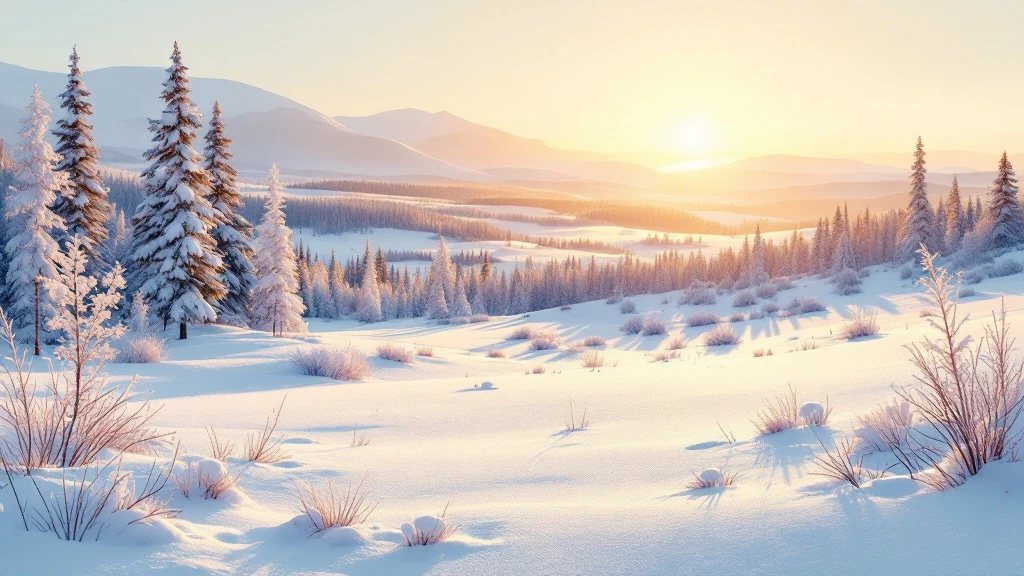
February is when Lapland starts to wake up. After weeks of kaamos – the polar night – the sun finally clears the horizon again, and the effect is extraordinary. Low golden light spills across deep snow, painting the fells in colours you don’t see in any other month. Temperatures still hover around −17°C (1°F) overnight, but you’re no longer stumbling through activities in near-total darkness. You get the best of both worlds: enough dark hours for serious aurora hunting, and enough daylight to actually see where you are.
There’s a catch, though. Finnish families know February is excellent, and they all descend on Lapland during week 8 – the national ski holiday. Prices spike, popular safaris sell out, and resort towns that felt pleasantly quiet in January suddenly have queues. Time your visit carefully and February is one of the best months to be in Lapland. Time it badly and you’ll pay 30-50% more for the same experience.
February Weather: Still Properly Cold
Don’t let the returning sun fool you. February in Lapland is genuinely cold. Average highs sit around −8°C and lows drop to −17°C, with occasional plunges well beyond −30°C. The record low is −42°C. That said, the air is bone-dry and usually still – it feels far less harsh than a damp, windy winter day in Britain. Most visitors adjust within a day or two.
Snow depth averages around 58cm, with roughly 30mm of precipitation through the month. You’ll get about 4 truly sunny days, but even the overcast ones feel brighter than January because of the increased daylight. When the sun does appear, the reflection off fresh snow is almost blinding. Sunglasses are essential, not optional.
| Metric | February Average |
|---|---|
| Daytime high | −8°C |
| Overnight low | −17°C |
| Record low | −42°C |
| Snow depth | ~58 cm |
| Precipitation | ~30 mm |
| Sunny days | ~4 |
Daylight: The Big Change
This is the real story of February. On 1 February, Rovaniemi gets just under 5 hours of daylight (sunrise around 10:04, sunset around 14:58). By mid-month, that’s jumped to 7 hours. By the end of February, you’re looking at nearly 9 hours of light – sunrise at 08:06, sunset at 16:54. The change is dramatic. You can feel it, and honestly, so can the locals. The mood shifts.
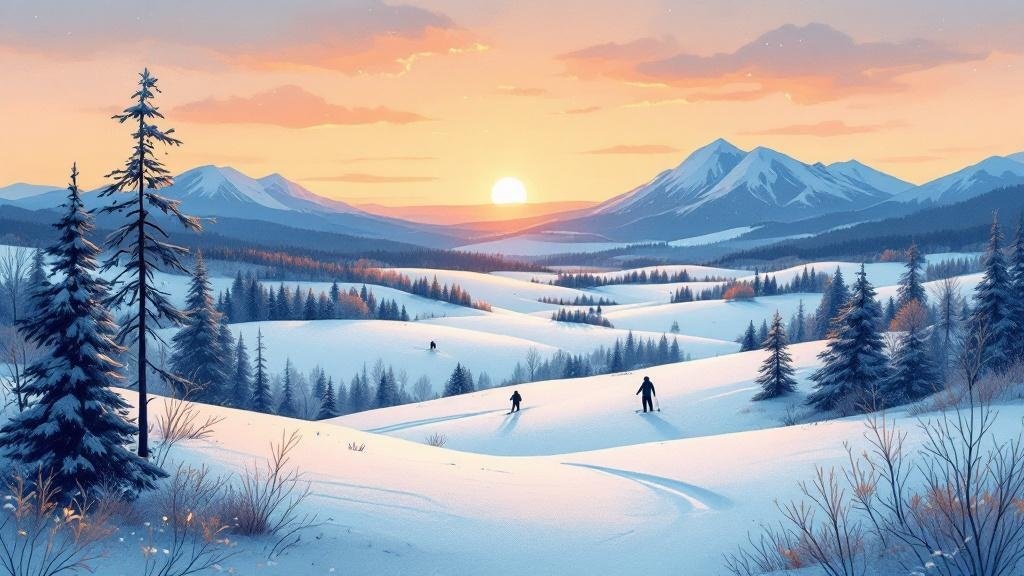
Late February in particular is superb for outdoor activities. You can comfortably do a full-day safari and be out in daylight the entire time. The low angle of the sun creates what photographers call “golden hour” – except it lasts for hours, not minutes. If you’re into photography, late February is arguably the best month in the entire year.
| Date | Sunrise | Sunset | Daylight Hours |
|---|---|---|---|
| 1 Feb | 10:04 | 14:58 | ~5 h |
| 15 Feb | 09:02 | 16:02 | ~7 h |
| 28 Feb | 08:06 | 16:54 | ~9 h |
Week 8: The Finnish Ski Holiday Problem
Here’s something most foreign visitors don’t know until it’s too late. Finnish schools have a one-week ski holiday – hiihtoloma – and for much of Finland it falls on week 8, typically mid-February. Every Finnish family with kids heads to Lapland. The ski resorts fill up. Cabin availability drops to near zero. Activity prices jump 30-50% above the baseline, and the most popular experiences (husky safaris, snowmobile tours) sell out weeks in advance.
For context, February prices run about 50% above March across the board. During week 8 specifically, expect the upper end of every price range – or beyond it.
The fix is simple: come in early February (weeks 5-6) or late February (week 9). Early February still has limited daylight but offers good value – it’s a quiet shoulder period between the December-January tourist peak and the Finnish domestic rush. Late February gives you the best daylight of the month, deep snow, and dropping prices as families head home. Both are significantly calmer than week 8.

Activities in February
Everything is running. All the classic Lapland winter activities are in full swing, conditions are excellent, and operators are at full capacity. Here’s what to expect:
Husky safaris – the most sought-after activity. Short musher-driven rides near Rovaniemi cost from about 60€ for a 30-minute experience. Self-driven safaris (where you actually steer the sled) are more rewarding: from about 160€ for a self-driven run, 145€ for 5km, or 195€ for a 10km safari around Levi. Half-day trips with lunch run around 200 to 250€. Operators like Bearhill Husky in Rovaniemi have a strong animal welfare focus. For something genuinely , Hetta Huskies in Enontekiö runs multi-day expeditions – 600-830€ for 2 days with an overnight wilderness cabin stay.
Snowmobile safaris – a 2-hour shared-sled tour starts from 128€ (Safartica), with 3-hour options at from about 215€. Riding solo instead of tandem adds 60-65€. Factor in self-liability insurance at 20€ extra. Book these early during week 8 – they sell out.
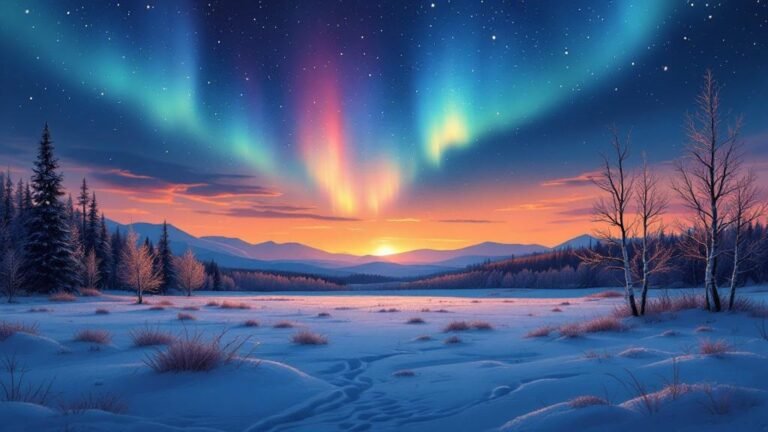
Northern lights tours – February is one of the strongest aurora months. Small-group guided tours (4-6 hours) run about 100 to 190€. Book Lapland offers tours from 145€ with a full refund guarantee if the lights don’t appear. Private tours start from 250€+. The probability of seeing aurora on any clear night is around 50%, with a KP index of just 2 needed this far north.
Reindeer farm visits – a short feeding visit starts from 35€. A full farm visit with sleigh ride costs 125-139€ for adults and 85-95€ for children, depending on the operator. SieriPoro Safaris, run by a herding family since the 1800s, is one of the more authentic options near Rovaniemi.
Skiing – day passes at the main resorts cost 53-58€ for adults and 35-36€ for children, with under 6-7s free. Levi, Ylläs, Saariselkä, and Pyhä are all running fully. Cross-country skiing is free if you have your own gear – trails are maintained and don’t charge fees. Rental equipment runs 20-45€ per day.
Ice fishing – free under jokamiehenoikeus (everyman’s right) if you bring your own gear. Guided experiences cost from 89€ for a 3-hour session with gear, hot drinks, and campfire snacks. This is a genuinely Finnish activity: sitting in silence on a frozen lake, staring at a hole. It’s meditative, not exciting. That’s the point.
Prices are from the 2025-26 season; 2026-27 rates are being published through the autumn, so check operator websites or booking platforms for current rates.
| Activity | Price Range | Duration |
|---|---|---|
| Husky safari (self-driven) | 110-195€ | 1.5-3 h |
| Snowmobile safari | 128-240€ | 2-3 h |
| Northern lights tour | about 100 to 190€ | 4-6 h |
| Reindeer visit + sleigh | 35-139€ | 1-2 h |
| Downhill ski day pass | 53-58€ | Full day |
| Cross-country ski rental | 20-45€/day | Self-paced |
| Ice fishing (guided) | From 89€ | ~3 h |
Crowds and Pricing
February prices run roughly 50% above March. That is an average across the month: early and late February run closer to March rates, while week 8 pushes well above it.
Accommodation tells the story clearly. A budget hotel room that costs 80-130€ in March will run higher in February, particularly during hiihtoloma. Mid-range hotels sit at 130-250€, luxury options at 290-500€+. Cabins follow the same pattern: budget cabins 55-120€, mid-range 150-310€, and luxury cabins 300-600€+. Glass igloos – peak season runs December through February – cost 400-990€ per night.
Hostel dorms remain the budget option at 29-95€ (dorms from 29€, private rooms 80-95€). K-Market and S-Market are well stocked in all resort towns if you want to self-cater. Eating out adds up: casual mains like pizza or pasta cost 18-25€, Lappish specialities (reindeer, fish) run 28-40€, and alcohol in Finnish restaurants is particularly expensive.
If this is your first Lapland trip, booking activities through a platform gives you free cancellation and English-language support – worth a small premium when you’re planning from abroad and things might change. If you’ve been before and know your preferred operators, booking direct can save 10-20%.
How to save in February
- Avoid week 8 – this is the single most impactful thing you can do for your budget
- Book early – flights from Helsinki to Rovaniemi or Kittilä cost 150-250€ return with advance booking, but late bookers pay significantly more
- Consider the overnight train – the Santa Claus Express from Helsinki to Rovaniemi costs from 23€ for a seat or from 69€ for a 2-person sleeping cabin (per cabin, not per person). It departs around 18:00-19:00 and arrives 06:00-08:00. Books out weeks ahead in peak season, so reserve early.
- Self-cater some meals – a budget food day (supermarket plus one meal out) runs 30-45€ per person
- Rent a cabin – for groups or families, a budget cabin at 55-120€ split between several people beats hotel rates

February sits between two very different price regimes
February is the quiet middle of the winter pricing curve, and knowing what sits either side of it helps. January is not the expensive month people assume: rates collapse the moment the holidays end, and at Arctic TreeHouse the same suite that costs about 1,600€ a night in mid-December is 903€ from 7 January onwards. March is cheaper still, at 755€ for that suite. February slots between them, with one exception that swamps the trend.
That exception is week 8. Finnish school ski holidays fill the fells with domestic families who book cabins and fell-view apartments a year ahead, and prices in Levi, Ylläs and Saariselkä spike accordingly. It is the one week of late winter where a Lapland trip costs Christmas money without the Christmas atmosphere.
The practical read: if your dates are flexible within February, move away from week 8 and you get most of March’s value with more darkness for aurora. If they are not flexible, switch the lever from month to property — both Northern Lights Village sites hold a flat 609€ with dinner included all winter and do not participate in seasonal spikes at all.
Check February rates
Arctic TreeHouse Hotel: glass-walled design suites beside SantaPark, breakfast included
Getting There
Most visitors fly via Helsinki. Finnair operates multiple daily flights to Rovaniemi (1.5 hours, 150-250€ return), 1-2 daily to Kittilä for the Levi and Ylläs area (150-250€ return), and one daily to Ivalo for Saariselkä and Inari (200-300€ return). Book well ahead – February flights fill up.
From the UK, easyJet runs scheduled Gatwick-to-Rovaniemi flights at 110-250 GBP return. From the US, connect through Helsinki (or sometimes via London or Reykjavik). From mainland Europe, Helsinki is the standard hub, though some direct seasonal routes run from Paris, Frankfurt, and Zurich to Kittilä or Rovaniemi.
Car rental is an option if you want freedom. Economy cars run 60-90€ per day, mid-size 100-125€. Studded winter tyres are mandatory November through April and come included with all rentals. Roads are well maintained but conditions demand respect – it’s dark for much of the drive and reindeer don’t care about your schedule. They will stand in the road. You will wait.

What to Pack
February in Lapland requires serious layering. The key principle: moisture-wicking base layer, insulating mid layer, windproof outer layer. Cotton has no place here – it absorbs sweat and then freezes. Merino wool or synthetic thermals as your base, fleece or down as your mid, and a windproof/waterproof shell on top.
Activity operators (husky farms, snowmobile companies, northern lights tours) typically provide thermal oversuits, boots, gloves, and balaclavas. This means you don’t need to invest in expedition-grade outerwear for the safaris – your layering system just needs to work for walking around town and getting between places.
Essentials beyond clothing:
- Sunglasses – the glare off snow is fierce, especially late February
- Lip balm and moisturiser – the air is incredibly dry
- Hand and toe warmers – cheap insurance for long aurora waits
- A buff or balaclava – for covering exposed skin below −20°C
- Phone battery pack – cold drains batteries fast; keep your phone inside your jacket between uses
Book the season’s headline activities
- Northern lights hunt from Rovaniemi: small groups chasing clear skies, free cancellation
- Husky safari in Rovaniemi: small-group tours, free cancellation, instant confirmation
Frequently Asked Questions
Is February a good month to visit Lapland?
February is excellent – if you avoid week 8 (Finnish school holidays, typically mid-February). You get returning daylight, deep snow, strong aurora probability, and all activities running at full capacity. Early and late February offer the best balance of conditions and value.
What is week 8 and why does it matter?
Week 8 (usually mid-February) is when most Finnish schools have their ski holiday, called hiihtoloma. Finnish families flood Lapland’s resorts, driving up accommodation and activity prices by 30-50%. Availability drops sharply, especially for popular experiences like husky safaris. Check the exact dates for the year you’re travelling – they shift slightly.
Can you see the northern lights in February?
Yes, February is one of the best aurora months. You get about 14 hours of darkness and statistically clearer skies than January. The aurora is visible on roughly 50% of clear nights. Check the FMI aurora forecast before heading out each evening – cloud cover is the main limiting factor.
How cold is Lapland in February?
Average highs around −8°C, lows around −17°C, with occasional cold snaps below −30°C. The dry, still air makes it more bearable than you’d expect – most visitors find it less unpleasant than a wet, windy 2°C day at home. Activity operators provide thermal gear, so the cold is very manageable during excursions.
Is early or late February better?
It depends what you prioritise. Early February is quieter and cheaper, with strong aurora darkness but only 5-7 hours of daylight. Late February offers nearly 9 hours of daylight, the deepest snow of the season, and gorgeous low-angle light – ideal for photography and full-day activities. Both avoid the week 8 price spike.
February rewards people who do their homework. Dodge week 8, book early, and you get Lapland at its most photogenic – golden light on deep snow, long aurora nights, and every activity running perfectly.
Best Booking Resources for Lapland
These are the booking tools I keep coming back to. They consistently offer the best prices, the most relevant options for northern Finland, and actually work well for Lapland-specific searches, which not all platforms do.
- Kiwi.com: The best source for finding flights and airport connections. I have noticed they find flight connections that other search engines miss.
- Booking.com: I almost always use them for booking hotels and apartments (and occasionally flights). They have the best filters and I like the user-friendly interface.
- Hotels.com: The most popular hotel booking platform in many countries, US included.
- Get Your Guide: A massive selection of tours and excursions, including aurora tours, husky rides, reindeer experiences and more!
- EconomyBookings: Want to explore Lapland or chase auroras yourself? They pool together the best offers from car rental operators for your convenience.
- yesim: Need a local SIM for Lapland? A stress-free holiday nowadays (unfortunately) might start from a good connection, so get an eSIM with unlimited or prepaid data.
- Ekta Traveling: Not interested in checking out the Finnish public health care system on your holiday? Didn’t think so 🙂 Good insurance gets that stress out of the way.
As an Amazon Associate I earn from qualifying purchases. Booking through these links costs you nothing extra and helps keep these guides free and up to date. Thank you!

Planning a Lapland trip?
Ask a Finn. The Lapland Trip Planning: Finland group is where readers compare dates, resorts and real prices for the coming winter.
Join the planning groupFollow on FacebookFollow on Pinterest