Lapland Summer Packing List: Layers and Mosquito Defense
Updated 30 September 2026.
Some links on this page are affiliate links. If you book through them, I earn a small commission at no extra cost to you. I only recommend services I genuinely trust for Lapland travel.
Summer in Lapland catches people off guard. They expect cold and snow, then arrive in July to find 20°C (68°F), 24-hour daylight, and mosquitoes the size of small aircraft. The packing list for a Lapland summer trip looks nothing like the winter version – but it’s just as important to get right. Get the layers wrong and you’ll be cold on a fell top at 10pm. Skip the mosquito defence and you’ll spend your entire trip swatting instead of hiking.
Here’s what actually belongs in your bag, and – just as useful – what you can leave at home.
Summer Temperature Reality: It’s Not What You Think
Lapland summer temperatures swing wildly. June averages around 17°C during the day but can dip to 8°C at night. July is the warmest month, with highs reaching 20-25°C – occasionally even touching 30°C – but nights still drop to 10°C. August mirrors June. That’s a potential 15-degree swing in a single day, and it happens regularly.
On a fell top at 700 metres, subtract another few degrees and add wind. A sunny afternoon in a t-shirt can turn into a shivering evening in the same t-shirt. The lesson: layers are non-negotiable, even when the forecast looks warm.
| Month | Average High | Average Low | Rain (mm) | Key Note |
|---|---|---|---|---|
| June | 17°C | 8°C | 60 | Midnight sun begins, mosquitoes arrive mid-month |
| July | 20°C | 10°C | 61 | Warmest + wettest, peak mosquito season |
| August | 17°C | 8°C | 55 | Mosquitoes fading, berries ripe, first autumn colours |
Layers: The Core of Your Bag
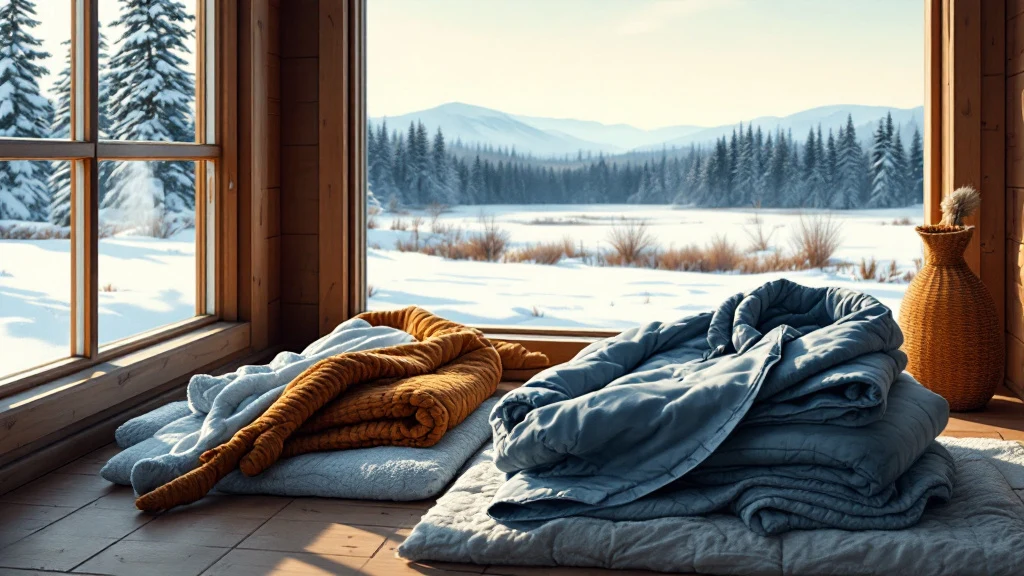
Forget packing “summer clothes” the way you would for southern Europe. Think in three layers.
Base layer: Merino wool or synthetic long-sleeve top and leggings. Merino is ideal – it regulates temperature, doesn’t smell after three days, and dries reasonably fast. You’ll wear this on cool mornings, evening hikes, and as pyjamas. Pack two tops so you have a dry one while the other airs out.
Mid layer: A lightweight fleece or thin insulating jacket. Something you can stuff into your pack when it warms up but pull on the second the sun goes behind a cloud. This is the layer you’ll put on and take off ten times a day.
Outer layer: A proper waterproof shell jacket – not a fashion rain jacket, but one with sealed seams, a hood that stays on in wind, and pit zips for ventilation. July is Lapland’s wettest month. Rain in the fells comes sideways. Waterproof trousers are worth the luggage space too, especially if you’re hiking multi-day routes.
For your legs: convertible hiking trousers (the ones with zip-off legs) earn their place. Quick-drying, reasonably bug-resistant when long, and comfortable when short. Jeans are useless – they get heavy when wet and take forever to dry.
Rain Gear: Your Most Important Item
If you bring one thing from this list, make it the rain jacket. Lapland gets about 55-61mm of rain per month in summer, and it doesn’t arrive as gentle English drizzle. Fell weather can go from clear to pouring in twenty minutes, and there’s nowhere to shelter above the tree line.
A packable waterproof jacket that lives permanently in your daypack is the move. You want something genuinely waterproof (Gore-Tex or equivalent), not “water-resistant.” A good hood is essential – one that cinches around your face and has a brim to keep rain off your eyes. Waterproof trousers that slip over your hiking trousers without removing boots are ideal for when the weather turns mid-trail.
Pack a dry bag or heavy-duty bin liner inside your rucksack. Rain covers for backpacks help, but they leak at the seams in sustained downpours. The bin liner inside is what actually keeps your spare clothes dry.
Hiking Gear
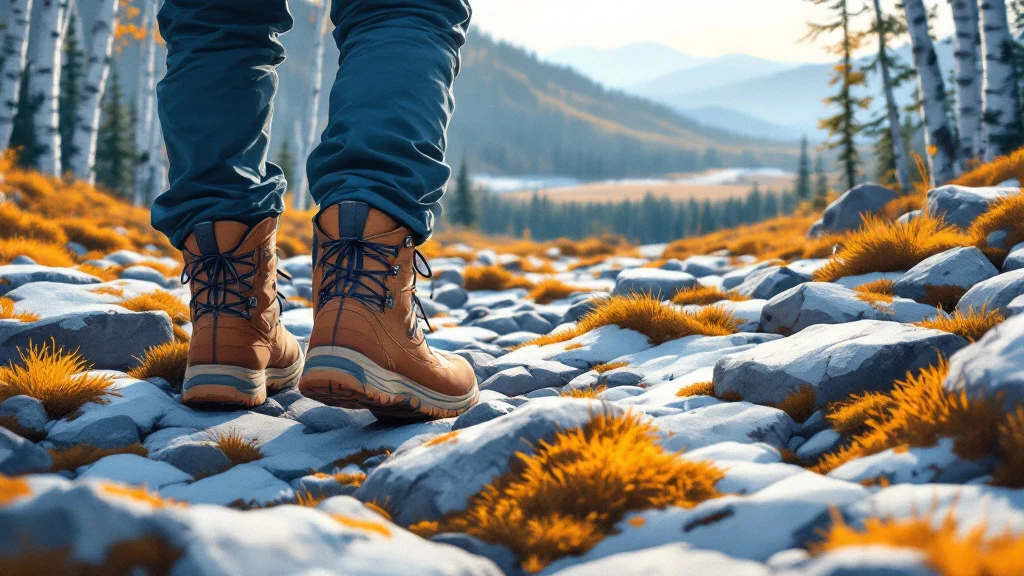
Lapland trails range from well-maintained boardwalks through bogs to unmarked wilderness routes over rocky fells. Your footwear needs to match your ambitions.
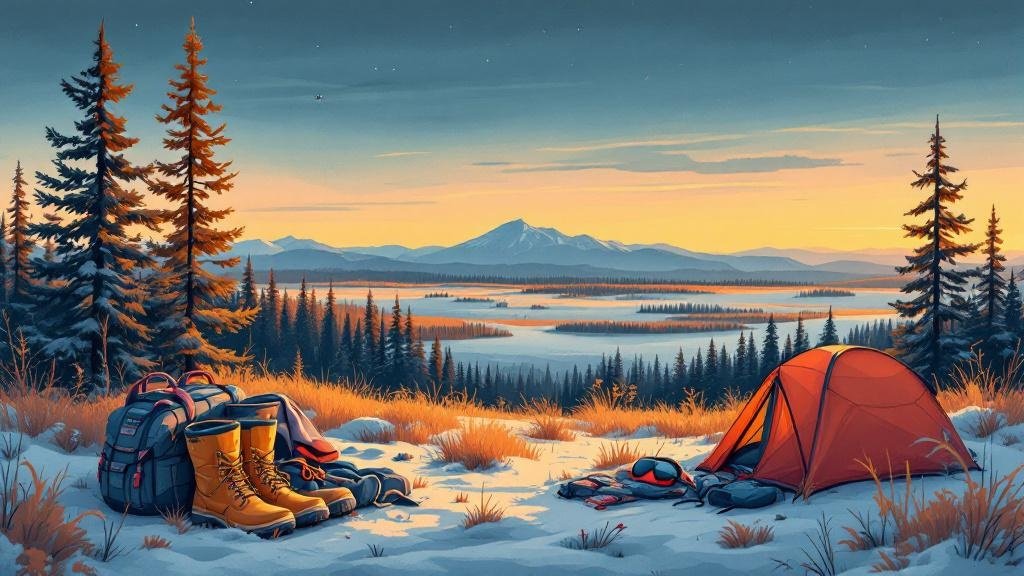
Boots: Ankle-supporting, waterproof hiking boots with good grip. Break them in before you come. National parks like Urho Kekkonen and Pallas-Yllästunturi have rocky, rooty terrain that eats lightweight trail runners for breakfast. If you’re only doing short day walks near resorts, sturdy trail shoes are fine – but for anything longer than a few hours, proper boots save ankles.
Socks: Merino wool hiking socks. Two pairs minimum. Blisters ruin trips. Thin liner socks underneath help if you’re blister-prone.
Daypack: 25-35 litres is the sweet spot for day hikes. Big enough for layers, rain gear, lunch, water, and your mosquito defence kit. For multi-day hikes using the free wilderness huts (autiotupa), you’ll need a larger pack for your sleeping bag and food.
Trekking poles: Not mandatory but genuinely helpful on fell terrain, especially on descents over loose rock. Collapsible ones pack into luggage easily.
Mosquito Defence: Not Optional
This is the section people read, laugh at, then deeply regret ignoring. Lapland mosquitoes from mid-June through July are something else entirely. The density in boggy areas and near still water has to be experienced to be believed. Hundreds of them. On you. Constantly.
DEET repellent (30-50%) or picaridin: These are the only two chemicals that actually work against Lapland-level mosquito numbers. Apply to all exposed skin and refresh every few hours. Natural repellents – citronella, eucalyptus, “organic bug spray” – are fine for a London garden party. They are not fine for a Finnish bog in July. Save your money.
Mosquito head net: You will look ridiculous. You will not care. By day two in the fells, you’ll wonder how anyone hikes without one. The lightweight mesh nets that fit over a cap or hat cost almost nothing, weigh nothing, and transform your experience from miserable to manageable. This is the single most-recommended item by anyone who’s done summer Lapland.
Long sleeves and long trousers: Light, loose-fitting clothing in light colours. Mosquitoes bite through tight fabric. Tuck trousers into socks when it gets bad. Treat clothing with permethrin spray before your trip for an extra layer of protection.
Timing: Mosquitoes are worst in still, warm, cloudy conditions – especially near bogs and lakes. Windy fell tops and open ridgelines are often blissfully mosquito-free. Plan your lakeside picnic for a breezy day.
Sun Protection: The Midnight Sun Problem
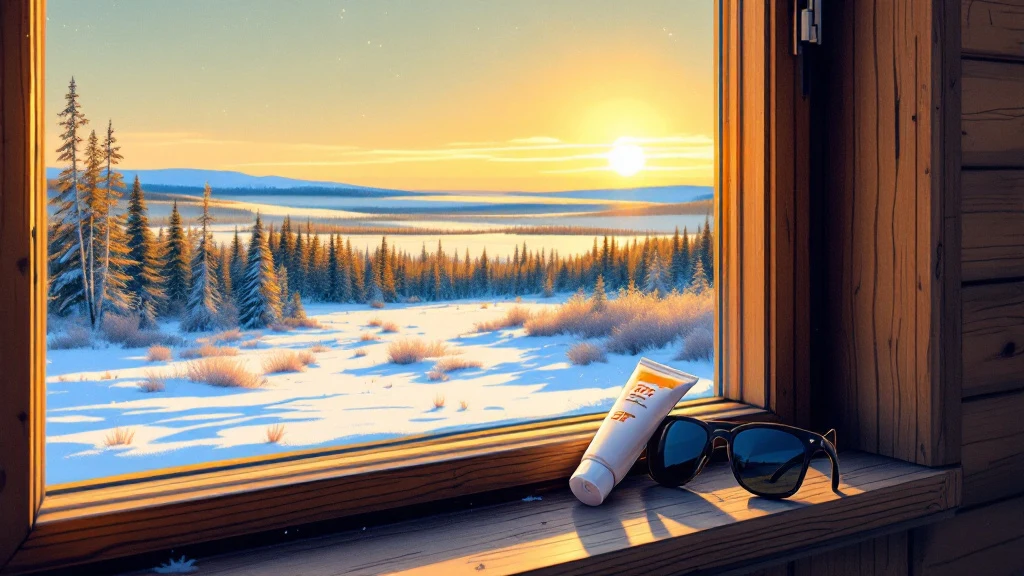
From late May to mid-July, the sun doesn’t set in northern Lapland. Even outside that window, summer days are extremely long. In June, you get over 23 hours of daylight. The light is low-angle and gentle, which tricks people into thinking they won’t burn. They do.
Sunscreen (SPF 30+): The UV intensity is lower than the Mediterranean, but when you’re exposed for 16+ hours of hiking, it adds up. The back of your neck and your ears are the spots people forget.
Sunglasses: Essential on fell tops and near water where light reflects. A retaining strap keeps them on your face in wind.
Sun hat or cap: Does double duty as a mosquito head net base. A hat with a brim protects face and neck. Light colours help.
Sleep Mask: Seriously, Bring One
When the sun doesn’t set, sleeping becomes a genuine challenge. Your body produces melatonin in darkness, and at 1am in June there is no darkness. Just endless pale daylight streaming through curtains that were never designed for this.
Many Finnish cabins and hotels have blackout curtains, but “blackout” in Finland often means “blocks 80% of light” – which still leaves a room surprisingly bright at midnight. A proper contoured sleep mask that blocks light completely around the edges is essential. The flat fabric ones slip off. Spend a bit more on a moulded mask that sits off your eyelids.
Some people also bring earplugs. Summer in Lapland is not silent – birds sing around the clock because they, too, are confused by the eternal daylight.
The Complete Packing Checklist
| Category | Item | Priority |
|---|---|---|
| Layers | Merino base layer tops (×2) | Essential |
| Layers | Base layer leggings | Essential |
| Layers | Lightweight fleece / insulating mid-layer | Essential |
| Layers | Convertible hiking trousers | Essential |
| Layers | T-shirts / light tops for warm days | Recommended |
| Rain gear | Waterproof shell jacket (sealed seams, hood) | Essential |
| Rain gear | Waterproof overtrousers | Recommended |
| Rain gear | Dry bag / bin liner for rucksack | Recommended |
| Footwear | Waterproof hiking boots (broken in) | Essential |
| Footwear | Merino hiking socks (×2-3 pairs) | Essential |
| Footwear | Light shoes / sandals for evenings | Recommended |
| Mosquito defence | DEET (30-50%) or picaridin repellent | Essential ★ |
| Mosquito defence | Head net | Essential ★ |
| Mosquito defence | Permethrin spray (for clothing) | Recommended |
| Sun protection | Sunscreen SPF 30+ | Essential |
| Sun protection | Sunglasses | Essential |
| Sun protection | Sun hat / cap | Recommended |
| Sleep | Contoured sleep mask | Essential |
| Sleep | Earplugs | Nice to have |
| Hiking | Daypack (25-35L) | Essential |
| Hiking | Trekking poles (collapsible) | Recommended |
| Hiking | Water bottle / hydration bladder | Essential |
| Hiking | Trail map / offline map app | Recommended |
The three summer essentials to buy before you go
- Sea to Summit head net: the summer item Finns actually use; repellent alone will not do it
- Manta blackout sleep mask: the midnight sun comes through every curtain
- Marmot PreCip Eco rain jacket: summer showers arrive fast and the wind on the fells is cold
What You Don’t Need
Just as important as what to pack: what to leave behind.
Thermal winter gear: It’s summer. Your ski jacket stays home. A fleece and rain shell handle everything Lapland summer can throw at you.
Smart clothes: There is nowhere in Lapland where you need to dress up in summer. Restaurants are casual. Pack for comfort and function, not fashion.
A towel (usually): Cabins and hotels provide them. If you’re hiking hut-to-hut, a lightweight microfibre travel towel makes sense. Otherwise, skip it.
Excessive electronics: Your phone handles photos, navigation, and aurora forecasts (if you’re there in late August). A dedicated camera is nice but not necessary. A portable power bank is genuinely useful for long hiking days.
“Just in case” cold weather layers: People overpack for cold because Lapland’s reputation is all about winter. Your fleece plus rain jacket handles anything down to 5°C with comfort. One merino base layer underneath covers genuinely chilly evenings. You do not need a down jacket in July.
Natural bug repellent: Leave it at home. Seriously. Spend the luggage space on a second bottle of DEET instead.
Frequently Asked Questions
Do I really need a mosquito head net in Lapland?
In June and July, yes – it’s the single most recommended item by experienced Lapland hikers. The mesh nets weigh almost nothing and fit over any hat. In August, mosquitoes are significantly reduced and you may not need one, but they’re so light there’s no reason not to pack one regardless.
Can I buy DEET repellent and hiking supplies in Lapland?
You can, but selection is limited in smaller towns. Pharmacies (apteekki) stock DEET repellent, and outdoor shops in Rovaniemi carry hiking gear. For specialised items like permethrin clothing spray, buy before you arrive – it’s not commonly stocked in Finland.
Is it warm enough for shorts and t-shirts in Lapland summer?
On warm July afternoons, absolutely – temperatures can hit 25°C. But always carry long sleeves and a fleece. Fell tops are cooler and windier, evenings drop considerably, and covering up is your first line of mosquito defence. Think “layers on and off all day” rather than “shorts weather.”
Do I need a sleeping bag for summer hiking?
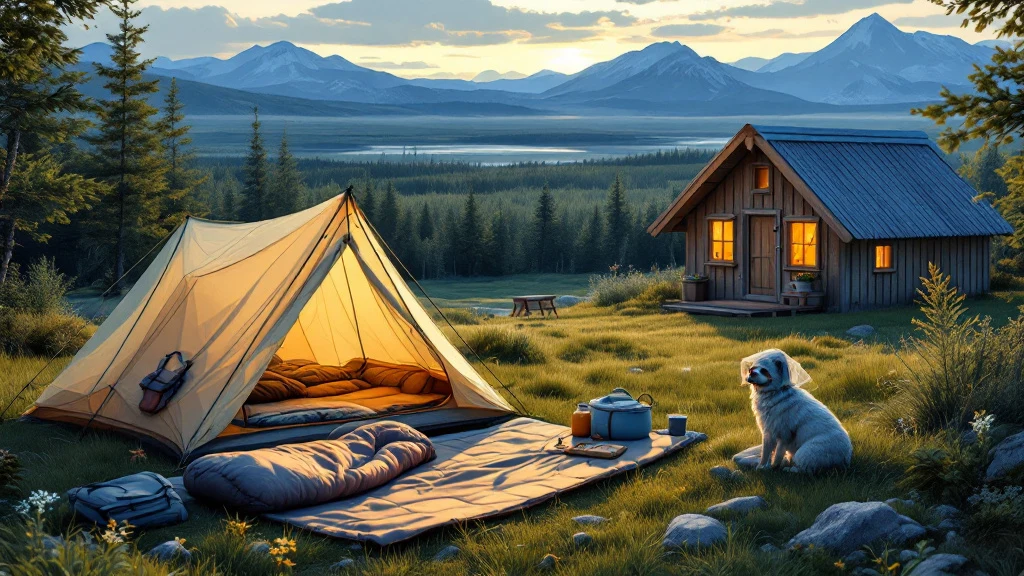
Only if you’re staying in the free wilderness huts (autiotupa) in national parks, which are unmanned and have no bedding – bring a sleeping bag and mat. Hotels, cabins, and staffed fell stations provide all bedding. For most visitors doing day hikes from a base, no sleeping bag needed.
The gear list for Lapland summer is mercifully short compared to winter. Get the rain jacket, the layers, and the mosquito defence right, and you’re sorted. Everything else is refinement.
Best Booking Resources for Lapland
These are the booking tools I keep coming back to. They consistently offer the best prices, the most relevant options for northern Finland, and actually work well for Lapland-specific searches, which not all platforms do.
- Kiwi.com: The best source for finding flights and airport connections. I have noticed they find flight connections that other search engines miss.
- Booking.com: I almost always use them for booking hotels and apartments (and occasionally flights). They have the best filters and I like the user-friendly interface.
- Hotels.com: The most popular hotel booking platform in many countries, US included.
- Get Your Guide: A massive selection of tours and excursions, including aurora tours, husky rides, reindeer experiences and more!
- EconomyBookings: Want to explore Lapland or chase auroras yourself? They pool together the best offers from car rental operators for your convenience.
- yesim: Need a local SIM for Lapland? A stress-free holiday nowadays (unfortunately) might start from a good connection, so get an eSIM with unlimited or prepaid data.
- Ekta Traveling: Not interested in checking out the Finnish public health care system on your holiday? Didn’t think so 🙂 Good insurance gets that stress out of the way.
As an Amazon Associate I earn from qualifying purchases. Booking through these links costs you nothing extra and helps keep these guides free and up to date. Thank you!
Planning a Lapland trip?
Ask a Finn. The Lapland Trip Planning: Finland group is where readers compare dates, resorts and real prices for the coming winter.
Join the planning groupFollow on FacebookFollow on Pinterest