
Downhill Skiing in Lapland: Levi vs Ylläs vs Pyhä
Updated 5 October 2026.
Some links on this page are affiliate links. If you book through them, I earn a small commission at no extra cost to you. I only recommend services I genuinely trust for Lapland travel.
If you’ve skied in the Alps, Lapland will feel like a different sport. The fells top out around 500–700 metres, the vertical drops are modest, and there’s nothing that would make an expert skier nervous. But here’s what Lapland has that the Alps don’t: essentially zero lift queues, guaranteed snow from November to May, and slopes lit up like daylight during the polar night. For families and intermediate skiers, that combination is hard to beat.
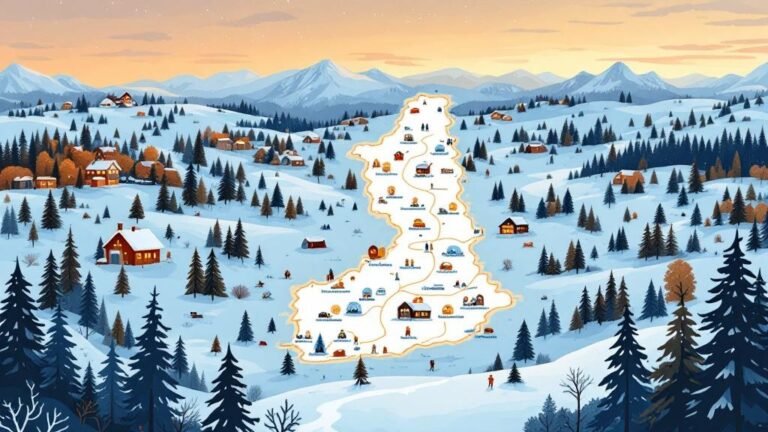
The three resorts worth comparing are Levi, Ylläs, and Pyhä. Each has a distinct personality, and which one suits you depends on what you actually want from a ski trip. Smaller hills at Saariselkä and Luosto also deserve a mention if you’re already in those areas.
Resort Comparison at a Glance
Lift prices below are the resorts’ own 2026-27 rates, updated in October 2026. They change every season, so check the resort’s site before you buy.
| Levi | Ylläs | Pyhä | Saariselkä | Luosto | |
|---|---|---|---|---|---|
| Slopes | 44 | 62 | 15 | 24 | 10 |
| Lifts | 26 | 26 | 9 | 6 | 4 |
| Vertical drop | Moderate | 464 m (Finland’s highest) | Moderate | Small | Small |
| Best for | Families, all-rounders | Variety seekers, XC combo | Intermediates, steep runs | Beginners, families | Beginners, families |
| Crowds | Busiest in Lapland | Moderate (spread out) | Quiet | Quiet | Very quiet |
| Adult day pass 2026-27 | 60€ | 60€ | 58€ | 55€ | 50€ |
| Child day pass 2026-27 | 37€ (6 to 11) | 38€ (6 to 11) | 35.50€ (6 to 11) | 38€ (6 to 17) | 38€ (6 to 11) |
| Under 6 | Free with adult | Free with adult | Free with adult | Free with adult | Free with adult |
| Lit slopes | ✓ | ✓ | ✓ | ✓ | ✓ |
| Nearest airport | Kittilä (15 min) | Kittilä (variable) | Rovaniemi | Ivalo (25 km) | Rovaniemi |
Levi – The All-Rounder
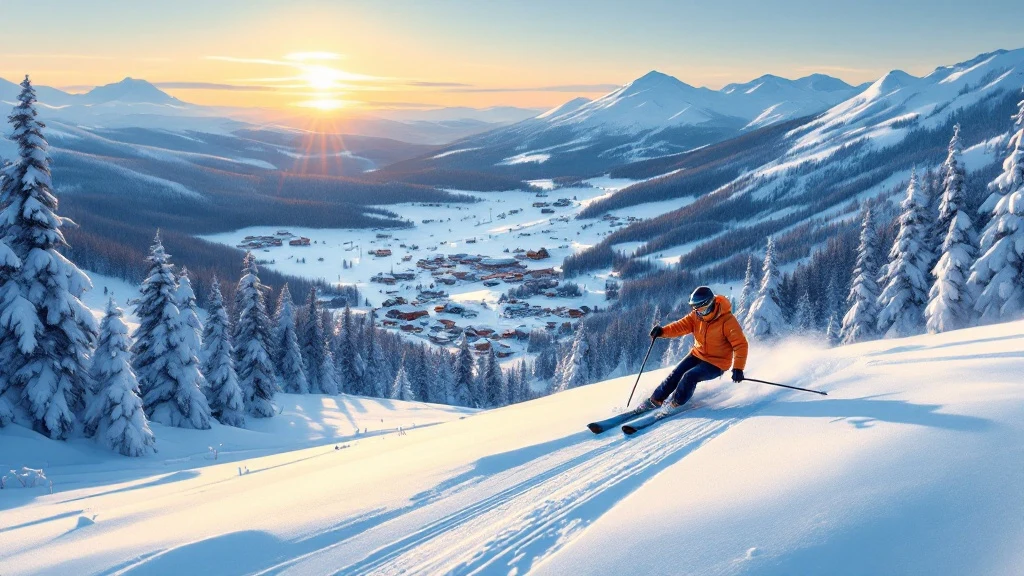
Levi is Lapland’s most popular ski resort, and it’s popular for a reason. With 43 slopes and 27 lifts, it has the best infrastructure of any fell in Finnish Lapland. It hosts FIS World Cup slalom events, which tells you the grooming and facilities are taken seriously. The village itself has restaurants, shops, and accommodation within walking distance of the slopes – unusual for Lapland, where things tend to be spread out.
For families, Levi works well. The ski school is experienced with international visitors, the beginner slopes are gentle, and there’s plenty to do off the slopes. For intermediate skiers, the variety is solid. For experts? You’ll enjoy a day or two, but don’t expect the kind of challenge that keeps you coming back for a full week.
The trade-off is that “busiest in Lapland” is relative. During Finnish ski holiday week (viikko 8, usually late February), you might actually wait a few minutes for a lift. By Alpine standards, that’s still nothing. Outside peak weeks, you’ll often have slopes nearly to yourself.
Getting there: Fly to Kittilä Airport (daily Finnair flights from Helsinki plus seasonal charters), or take the overnight train to Kolari and a bus connection from there.
Ylläs – Finland’s Biggest
Ylläs holds the title of Finland’s largest ski resort: 63 slopes, 26 lifts, and the country’s biggest vertical drop at 463 metres. On paper, it wins. In practice, there’s a catch.
The resort is split across two sides of two different fells – Ylläs Sport Resort (the Äkäslompolo side) and Ylläs-Ski (the Ylläsjärvi side). These aren’t connected at the base. To ski both sides, you need to go over the top or drive between villages. This spread means the resort never feels as big as 63 slopes suggests, because you’re realistically skiing one side at a time.
That said, Ylläs is excellent if you also want cross-country skiing. The fell sits within Pallas-Yllästunturi National Park, and the cross-country trail network is extensive. Plenty of visitors combine a few hours of downhill with long cross-country sessions through stunning fell scenery.
The village atmosphere is quieter than Levi. Fewer restaurants, fewer nightlife options, more families and Finns doing their own thing. If you want the ski-and-soak-in-nature experience rather than the après-ski scene, Ylläs is the better pick.
Pyhä – The Local Favourite
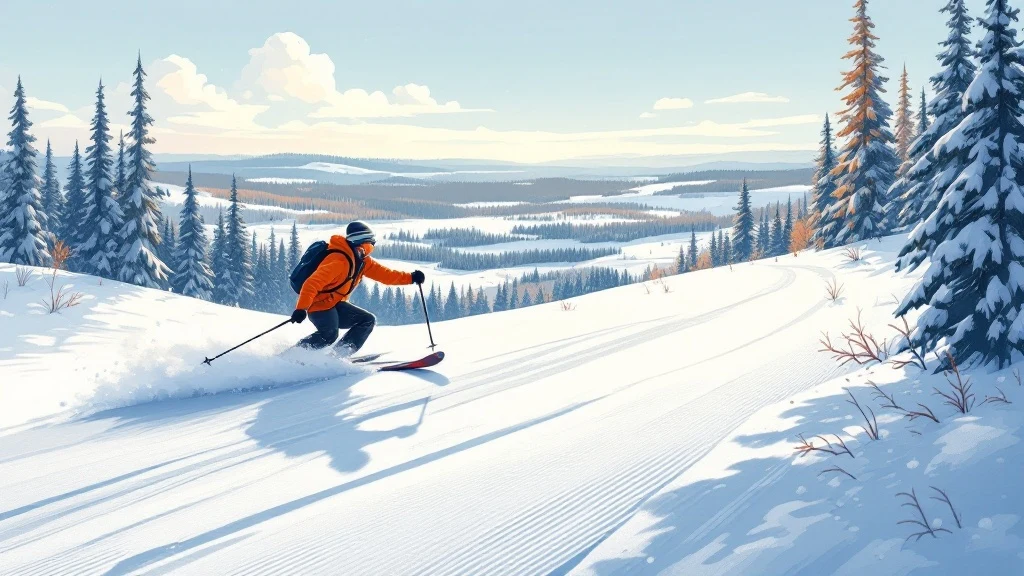
Pyhä is the resort Finns recommend to each other. With only 15 slopes, it’s small. But it has the steepest runs in Lapland, well-maintained pistes, and – crucially – almost no crowds, ever. If you’re an intermediate-to-advanced skier who hates queuing, Pyhä is your place.
The fell itself has more character than Levi’s gentle mound. The slopes have genuine pitch to them, and on a clear day the views across the surrounding wilderness are the kind of thing you remember. The resort village is small and quiet. There’s no – sorry, there’s no real après-ski scene. You ski, you sauna, you eat. Finns consider this ideal.
Pyhä is also part of the Pyhä-Luosto area, connected by a ski bus. If you’re staying for several days, you can easily ski both fells. Together they offer enough variety for a long weekend without repeating yourself.
The downside is access. Pyhä’s nearest airport is Rovaniemi, which is further away than Kittilä is from Levi. A rental car makes Pyhä much more convenient, though bus connections do exist.
Smaller Options: Saariselkä and Luosto
If skiing is a side activity rather than the main event, both Saariselkä and Luosto have small but perfectly serviceable slopes.
Saariselkä bills itself as Europe’s northernmost ski resort. With 24 slopes and 6 lifts, it’s family-friendly and unhurried. A day pass is 55€ for 2026-27, a little cheaper than Levi and Ylläs. The real draw of Saariselkä is everything else: Urho Kekkonen National Park is right there, and the northern lights viewing from this latitude is excellent. Think of the slopes as a bonus, not the reason to visit.
Luosto is even smaller – 10 slopes – but has a lovely, intimate feel. It’s essentially a village hill where families ski together and nobody’s in a rush. Luosto and Pyhä are connected by a ski bus, so combining the two makes sense if you’re in the area.
Skiing in Darkness – Lit Slopes
Here’s something most first-time visitors don’t think about: from late November to mid-January, the sun barely rises in Lapland. During the deepest kaamos (polar night), there’s no direct sunlight at all. You might wonder how anyone skis.
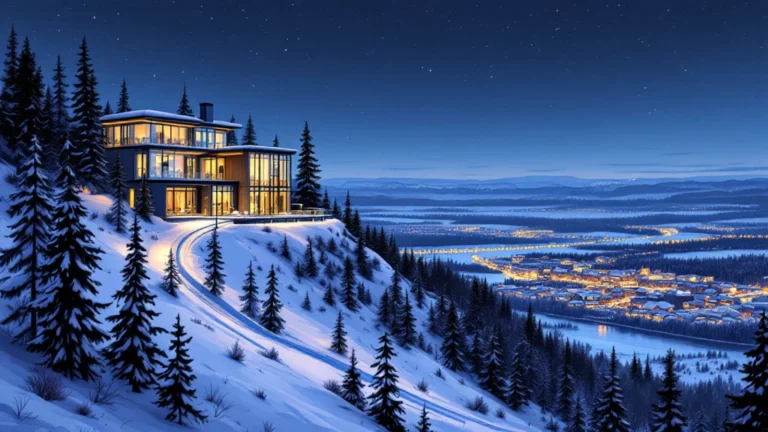
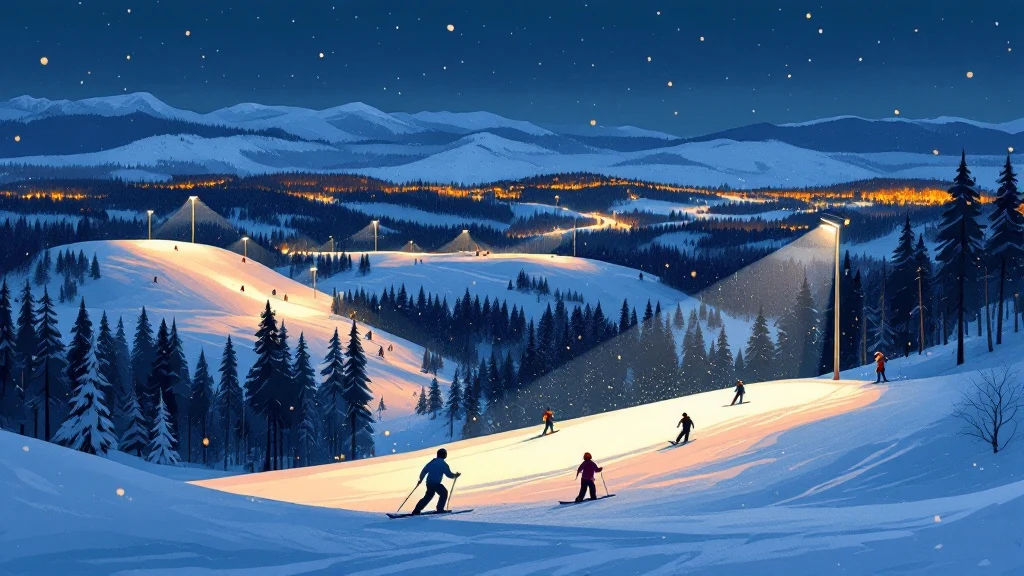
The answer is floodlights. All Lapland ski resorts have extensively lit slopes, and the quality of lighting is genuinely impressive. Skiing under floodlights with snow crystals glittering around you is actually one of the most atmospheric experiences in Lapland. The snow reflects the light, so visibility on the pistes is good – often better than on a flat, overcast day.
Most resorts keep lit slopes open until 7 or 8 pm in winter, and some runs stay lit even later. During the dark months, you might ski your entire day under artificial light and not feel like you’ve missed out.
By February, the sun returns properly. By March, you’re skiing in brilliant sunshine with 10+ hours of daylight. The snow is at its deepest, the air is crisp, and the light reflecting off the white landscape is blinding in the best possible way.
Season Length
Lapland’s ski season runs roughly from November to early May – significantly longer than most European resorts. Here’s how the season breaks down:
| Month | Conditions | Daylight | Crowds |
|---|---|---|---|
| November | Season opening, limited slopes | Shrinking fast, under 4 hrs by month’s end | Quiet |
| December | Good snow, cold (−6 to −11°C / 21 to 12°F) | Polar night – lit slopes essential | Christmas peak |
| January | Deep cold, reliable snow | Sun returns mid-month, 0–5 hrs | Moderate |
| February | Cold, deep snow, beautiful light | 5–9 hrs, increasing fast | Finnish ski holiday week (viikko 8) = peak |
| March | Peak snow depth ~75 cm, warming (−2 to −13°C) | 9–13 hrs – long bright days | ★ Best month overall |
| April | Spring skiing, soft snow, warm sun | 13–17 hrs | Quiet, closing phase |
| May | Season ending, limited slopes | 17+ hrs | Very quiet |
March deserves special emphasis. It’s when Finns themselves go skiing. The snow is at its deepest, there’s abundant daylight, the temperatures are cold enough to keep the snow in perfect condition, and prices drop significantly compared to February. If you can choose your dates freely, March is the answer.
Setting Expectations Right
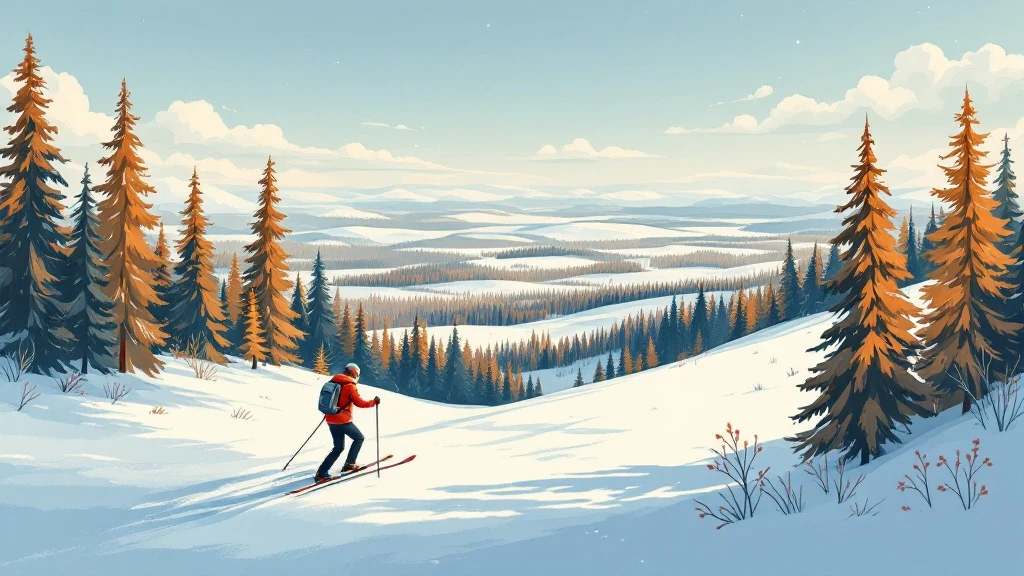
A few honest words if you’re coming from an Alpine skiing background. Lapland’s fells are not mountains. The maximum vertical drop in the country – 464 metres at Ylläs – is what some Alpine resorts use as a warm-up run. There are no off-piste bowls, no glacier skiing, no mountain restaurants at 3,000 metres.
What Lapland offers instead is a completely different skiing culture. You arrive at the lift and get straight on. You ski your run and there’s nobody in your way. You take a break at a kota (traditional hut) with hot berry juice and come back out. Your children learn in small groups where the instructor actually notices them. You finish your day and walk to your cabin or hotel because everything is close. In the evening, you might see the northern lights from the slope car park.
For families with young children, for intermediate skiers who want relaxed days on well-groomed pistes, and for anyone who values peace over vertical metres – Lapland skiing is quietly excellent. Expert skiers looking for challenging terrain should go to the Alps and visit Lapland for the huskies instead.
Getting to the Slopes
All three main resorts are accessible via Kittilä Airport, which has daily Finnair flights from Helsinki and seasonal charters from the UK and Europe. Levi is the easiest – just 15 minutes from Kittilä. Ylläs is also reachable from Kittilä. For Pyhä and Luosto, Rovaniemi Airport is the closer option.
You can also take the overnight train from Helsinki to Kolari (about 13 hours), which puts you within bus-connection distance of both Levi and Ylläs. For comparing train and bus routes, Omio shows all Finnish connections in one place with English-language booking and mobile tickets.
A rental car is genuinely useful for ski trips, especially if you want to try multiple resorts or explore the area between ski days. Winter driving in Lapland is – the roads are well-maintained and all rental cars come with studded tyres.
Frequently Asked Questions
Is Lapland skiing suitable for beginners?
Very much so. The gentle fell terrain is forgiving, ski schools at all resorts cater to international visitors, and the lack of crowds means beginners aren’t dodging expert skiers. Levi and Saariselkä are the best choices for complete beginners – both have dedicated nursery slopes and patient instructors used to working with children.
How much does a day of skiing cost in Lapland?
For 2026-27, adult day passes run from 50€ at Luosto to 60€ at Levi and Ylläs, with Pyhä at 58€ and Saariselkä at 55€ (prices updated in October 2026). Children’s passes are 35.50 to 38€, and children under 6 in a helmet ski free with a paying adult. Equipment rental is available at all resorts if you don’t want to bring your own gear.
Can you ski during the polar night?
Yes. All Lapland resorts have extensively lit slopes, and the floodlit skiing experience is genuinely special – snow crystals catching the light with fell scenery all around you. Many locals prefer skiing in the dark season specifically for this atmosphere.
When is the best month for skiing in Lapland?
March. Peak snow depth, long daylight hours (9–13 hours), comfortable temperatures, and lower prices than February. It’s when Finns take their own ski holidays – the tourism industry doesn’t market it heavily to foreigners because December and February fill at higher prices.
Is it worth visiting Lapland just for skiing?
Only if you value the atmosphere and family-friendliness over challenging terrain. If vertical metres and varied runs are your priority, the Alps or Scandinavia’s bigger Norwegian resorts offer more. But if you want skiing combined with northern lights, husky safaris, and genuine Arctic wilderness – Lapland makes a brilliant multi-activity winter trip with skiing as one part of it.
Best Booking Resources for Lapland
These are the booking tools I keep coming back to. They consistently offer the best prices, the most relevant options for northern Finland, and actually work well for Lapland-specific searches, which not all platforms do.
- Kiwi.com: The best source for finding flights and airport connections. I have noticed they find flight connections that other search engines miss.
- Booking.com: I almost always use them for booking hotels and apartments (and occasionally flights). They have the best filters and I like the user-friendly interface.
- Hotels.com: The most popular hotel booking platform in many countries, US included.
- Get Your Guide: A massive selection of tours and excursions, including aurora tours, husky rides, reindeer experiences and more!
- EconomyBookings: Want to explore Lapland or chase auroras yourself? They pool together the best offers from car rental operators for your convenience.
- yesim: Need a local SIM for Lapland? A stress-free holiday nowadays (unfortunately) might start from a good connection, so get an eSIM with unlimited or prepaid data.
- Ekta Traveling: Not interested in checking out the Finnish public health care system on your holiday? Didn’t think so 🙂 Good insurance gets that stress out of the way.
As an Amazon Associate I earn from qualifying purchases. Booking through these links costs you nothing extra and helps keep these guides free and up to date. Thank you!

Planning a Lapland trip?
Ask a Finn. The Lapland Trip Planning: Finland group is where readers compare dates, resorts and real prices for the coming winter.
Join the planning groupFollow on FacebookFollow on Pinterest