Levi Guide: Lapland’s Biggest Resort
Levi is the biggest ski resort in Finland and the closest thing Lapland has to an Alpine resort town. It has proper infrastructure – supermarkets, dozens of restaurants, bars, rental shops, a gondola, and enough accommodation to house a small city. If you’ve been to ski resorts in the Alps or Scandinavia, Levi will feel familiar. If you were hoping for a quiet cabin in the wilderness, it might feel like too much.
That tension is the defining thing about Levi. It’s the easiest place in Lapland for a first-time visitor: flights land at Kittilä airport and you’re on the slopes within the hour. Everything is walkable, bookable, and English-friendly. But it’s also the most commercial spot in Finnish Lapland, and some travellers arrive expecting Arctic wilderness only to find a resort village with a nightclub. So let’s be honest about what Levi is and who it suits.
The Resort: What Levi Actually Looks Like
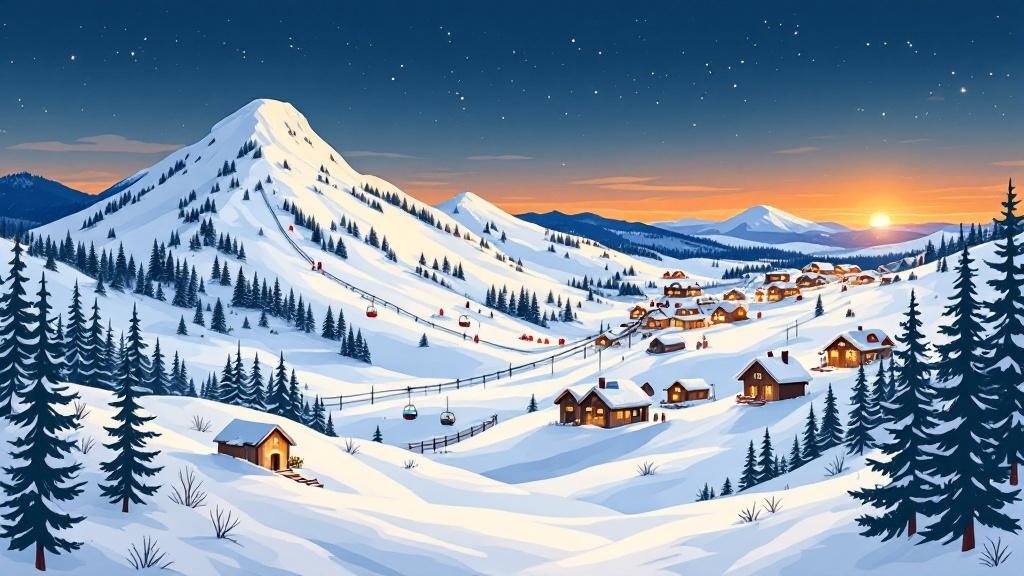
Levi is a village built around Levi fell (tunturi). The fell itself is 531 metres – modest by Alpine standards, barely worth mentioning if you’re used to Chamonix or St. Anton. But Lapland skiing isn’t about vertical drop. It’s about the quality of the snow, the silence, and the fact that in midwinter you’re skiing under floodlights with the northern lights potentially overhead.
The village centre sits at the base of the fell and runs along a single main road. You’ll find hotels, restaurants, sport shops, a supermarket (K-Market and S-Market), and various safari booking offices. It’s compact enough to walk everywhere, though some cabin accommodation is spread further out. There’s a Levi ski resort gondola that runs up the fell, and in winter the slopes are lit – which matters a lot when you have two hours of daylight in December.
Compared to other Lapland destinations, Levi has the most going on. Rovaniemi is a city with Santa Claus Village attached. Saariselkä is a smaller, quieter resort. Inari is a Sámi village by a lake. Levi is the one that feels most like a purpose-built holiday destination, for better or worse.
Skiing at Levi
Levi has dozens of slopes and multiple lifts, including the gondola. Most runs are blue or red – this is a resort that suits intermediate skiers and families much better than experts looking for steep terrain or off-piste challenges. The fell tops out at 531 metres, so don’t expect Alpine-scale descents. What you get instead is well-maintained, reliably snow-covered terrain with excellent grooming.
What makes Levi skiing special isn’t the mountain. It’s the conditions. The snow is dry and cold – not the heavy, wet stuff you get in the Alps. The trails are meticulously groomed and, crucially, they’re lit through the dark winter months. Skiing under floodlights with a pink-and-purple kaamos sky on the horizon is an experience that doesn’t translate to photos. You have to be there.
Cross-country skiing is equally important here. Levi maintains an extensive network of groomed tracks, and if you’ve never tried it, this is one of the best places to learn. Rental gear is readily available in the village, and the flat-to-rolling terrain around the fell is forgiving for beginners. Finns take cross-country skiing seriously – it’s not an afterthought to the downhill slopes.
Beyond the Slopes: Activities in Levi
Levi’s size means it has more safari operators and activity options than anywhere else in Lapland. You can book most things through your hotel or from the booking offices along the main road, but comparing options through activity booking platforms gives you easier cancellation policies and everything in one place.
Husky Safaris
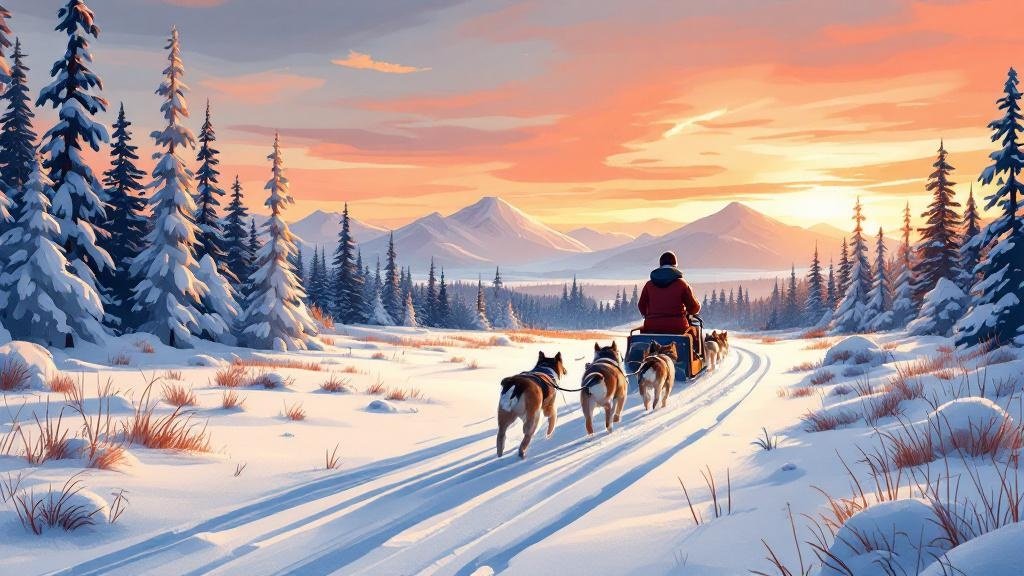
Levi Husky Park runs safaris from the resort area. The key question is whether you drive the sled yourself or just ride as a passenger – driving is the real experience. A self-driven 10km safari runs about 195€ for a 3-hour excursion. Shorter rides where the musher drives start from 50-65€ but feel more like a theme park ride than an Arctic adventure. For a proper wilderness experience, book a half-day safari with lunch (150-250€) that gets you away from the resort area entirely.
Snowmobile Safaris
Two-hour safaris start from around 128€ per person on a shared sled (Safartica and Levi Safari both operate locally), with a solo supplement of 60-65€ if you don’t want to share. Add 20€ for self-liability insurance – don’t skip this. The two-hour tours mostly stay near resort areas; if you want actual wilderness, book a three-hour-plus safari (149-240€) that gets you further out.
Reindeer Experiences
You can do a short feeding visit from 35€ or a full farm visit with sleigh ride for 95-139€ depending on the operator. Northern Lights Village Levi has reindeer experiences included with their accommodation. Reindeer sleigh rides are slow, peaceful, and quiet – the opposite of snowmobiling. Young kids tend to love them.
Ice Fishing
Under jokamiehenoikeus (everyman’s right), you can ice fish for free with your own simple gear – a hand-held rod and a hole in the ice is all you need. Guided excursions from operators like Wild Nordic cost from 89€ for a three-hour session including gear, campfire snacks, and hot drinks. Ice fishing is meditative, not exciting. Finns sit on a frozen lake in silence for hours. That’s the point.
Northern Lights
Levi sits well above the Arctic Circle at 67°N, so aurora conditions are good from September through March. The challenge in the village itself is light pollution from the resort – you need to get a few kilometres out of the centre. Most safari operators offer aurora-hunting trips, or you can drive or ski to darker areas on the fell. Clear skies matter more than anything else; check the Finnish Meteorological Institute (FMI) aurora forecast before heading out.
Prices for all activities are for the 2025-26 season and change annually – check operator websites or booking platforms for current rates.
Where to Stay
Levi has the widest range of accommodation in Lapland, from hostel dorms to glass igloos on the fell. It’s also the most expensive Lapland destination overall, so budget expectations need calibrating.
| Category | Price per Night | What to Expect |
|---|---|---|
| Budget / Hostel | 83-130€ | Apartment-style (Hostel Hullu Poro, 2 km from centre). Functional, clean. |
| Mid-range Hotel | 130-245€ | Break Sokos Hotel Levi (spa included), Levi Hotel Spa. Village centre, walking distance to everything. |
| Luxury / Peak Season | 450-680€ | Premium cabins, slope-side locations. Peak December rates push mid-range hotels to 220-500€. |
| Glass Igloos | 285-780€ | Levin Iglut (Golden Crown) on the fell, Northern Lights Village. Book 6+ months ahead for Dec-Feb. |
Most cabins in the Levi area come with a sauna and a kitchen – if yours doesn’t have a sauna, something has gone wrong. Self-catering from the supermarkets in the village saves real money compared to eating out every meal.
Getting to Levi
This is one of Levi’s strongest selling points. Kittilä airport (KTT) is the closest airport to any major Lapland resort – the transfer to Levi village takes about 15 minutes. A shuttle bus operated by Tunturilinjat meets arriving flights (12€ adult, 6€ child). You land, you’re on a bus, you’re at your hotel before your coffee gets cold.
Kittilä airport has direct seasonal flights from Helsinki (Finnair, Norwegian) and charter flights from the UK during the winter season. From the US, you’ll connect through Helsinki – the total journey from the East Coast is typically one long day with a short domestic flight to Kittilä.
The alternative route is the overnight train from Helsinki to Kolari (about 13 hours), with a bus connection from Kolari station to Levi – Kolari is 80 km away. You can book through Omio, which has all Finnish trains and buses on one English-language platform with mobile tickets, making it easy to plan and compare connections. For experienced travellers comfortable with Finnish-language sites, booking directly with VR or Matkahuolto can be marginally cheaper.
Once in Levi, you don’t strictly need a car. The village is walkable, and safari operators typically offer pickup from hotels. But if you want to explore beyond the resort – visiting Muonio, chasing the northern lights away from village lights, or driving to Pallas-Yllästunturi National Park – a rental car opens up the area considerably.
Restaurants and Nightlife
Levi has more restaurants than any other Lapland resort, ranging from pizza joints to proper Lappish fine dining. You can eat reindeer stew in a traditional kota (a Sámi-style tent structure), grab a burger, or sit down for a multi-course meal with arctic char and cloudberries. Restaurant meals add up quickly, which is why many regulars stay in cabins with kitchens and eat out selectively.
The nightlife is the real surprise. Levi has genuine après-ski culture, which is unusual for Lapland. Hullu Poro (Crazy Reindeer) is the centre of gravity – a complex with a restaurant, bar, and nightclub that fills up on weekends and during the Finnish ski holiday weeks. It’s not Ibiza, but by Arctic standards it’s lively. If you’re coming to Lapland for silence and solitude, the sound of bass music drifting across the village at midnight might not be what you had in mind.
Who Levi Suits (and Who It Doesn’t)
| Great For | Not Ideal For |
|---|---|
| Families with kids – easy logistics, plenty of activities | Wilderness seekers – it’s a resort, not the backcountry |
| First-time Lapland visitors – everything is organised | Budget travellers – most expensive destination in Lapland |
| Skiers who want both downhill and cross-country | Expert skiers wanting steep terrain or off-piste |
| Groups wanting nightlife alongside winter activities | Couples seeking remote, romantic seclusion |
| Short trips – airport transfer is 15 minutes | Travellers wanting authentic Sámi culture (try Inari instead) |
Levi is the Lapland destination that removes friction. You don’t need to plan as carefully, you don’t need a car, and you won’t struggle to find things to do or places to eat. The trade-off is that it feels less wild, less remote, and less distinctly Finnish than smaller destinations. That’s a trade-off some people are happy to make, and others aren’t.
If you want the same fell landscape with less commercial energy, Muonio is an hour west and Luosto-Pyhä is two hours south. If you want a city base with Santa Claus Village, that’s Rovaniemi. Levi is the middle ground – the most infrastructure, the least wilderness.
Frequently Asked Questions
Is Levi worth visiting if I don’t ski?
Absolutely. Most visitors to Levi spend more time on husky safaris, snowmobile tours, reindeer experiences, and aurora hunting than on the slopes. The skiing is a bonus, not a requirement. The village also has spas, restaurants, and enough shops to fill a non-skiing day comfortably.
How cold does Levi get in winter?
January averages around −8°C (18°F) during the day and −17°C at night, with cold snaps dropping to −35°C or below. The dry Arctic air feels less harsh than a wet, windy 0°C day in London – your body adjusts faster than you’d expect. Activity operators provide thermal oversuits for safaris.
Do I need a car in Levi?
Not within the resort itself – the village is walkable and safari operators collect you from your hotel. But a car lets you chase the northern lights away from village light pollution, visit nearby national parks like Pallas-Yllästunturi, and explore the quieter countryside around Muonio and Enontekiö. If you’re staying more than three days, it’s worth considering.
When is the best time to visit Levi?
March offers the best combination of snow, daylight, and value – deep snow, spring sunshine, lower prices. December is peak season for Christmas atmosphere but brings polar darkness and the highest prices. February is excellent for combined aurora viewing and daytime skiing, though Finnish ski holiday week pushes prices up.
Is Levi too touristy?
By Lapland standards, yes – it’s the most developed resort in Finnish Lapland with genuine après-ski nightlife. By Alpine or North American standards, it’s still a small village in the Arctic. If you want wilderness solitude, base yourself further north in Inari or Muonio. If you want convenience and a full range of services, Levi delivers exactly that.
Best Booking Resources for Lapland
After years of travelling to and around Lapland, these are the booking tools I keep coming back to. They consistently offer the best prices, the most relevant options for northern Finland, and actually work well for Lapland-specific searches — which not all platforms do.
- Skyscanner – The best flight search engine for Lapland routes. It catches the budget airlines and seasonal charters that other search tools miss, and the price alerts are genuinely useful for spotting deals on Helsinki-Rovaniemi or direct UK routes.
- VR Finnish Railways – The only way to book Finland’s overnight trains. The Santa Claus Express from Helsinki to Rovaniemi is an experience in itself — book early for the cabin berths, they sell out weeks ahead in peak season.
- DiscoverCars – Compares all the major rental companies at Lapland airports in one search. Crucially, they show which rentals include studded winter tyres — mandatory in Lapland and a detail other comparison sites bury in the fine print.
- Booking.com – Has the widest selection of Lapland accommodation by far, including cabins, glass igloos, and small family-run guesthouses that don’t list elsewhere. Free cancellation on most properties makes it low-risk for planning ahead.
- GetYourGuide – The largest marketplace for Lapland activities: husky safaris, snowmobile tours, aurora trips, reindeer visits. You can compare operators and prices side by side, and most bookings are cancellable up to 24 hours before.
- SafetyWing – Travel insurance designed for adventurous trips. Covers winter sports, extreme cold activities, and medical evacuation — all relevant when you’re snowmobiling at -25°C. Affordable and the claims process is straightforward.
- Holafly – eSIM that works in Finland from the moment you land. No hunting for local SIM cards at the airport, no roaming surprises. Set it up on your phone before departure and you’re connected in Lapland immediately.
Some of the links above are affiliate links — if you book through them, I earn a small commission at no extra cost to you. I only recommend services I genuinely use and trust for Lapland travel.