Lapland in March: The Local’s Favorite (and Best Kept Secret)
March is when Finns go to Lapland. While foreigners book December trips and pay premium prices for 4 hours of twilight, Finns wait for March – 10+ hours of actual daylight, snow at its deepest, and prices that drop 30-40% after the ski holiday rush. The tourism industry knows this but doesn’t market it to foreigners because they can fill December flights at higher rates.
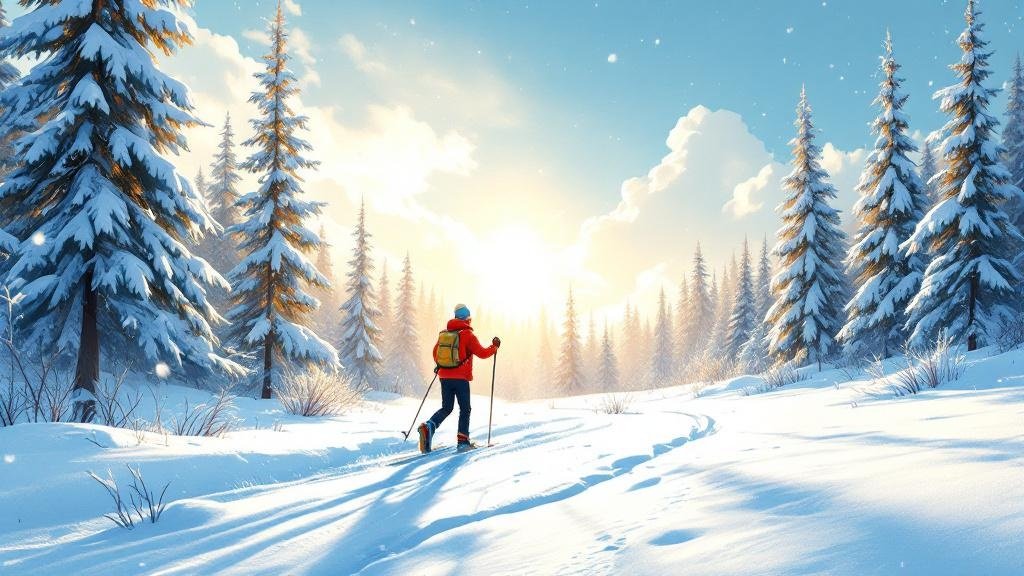
By mid-March, you’re getting nearly 11 hours of daylight with brilliant blue skies and sparkling snow that stretches to the horizon. The landscape you came to see is actually visible. Aurora hunting is still possible until late March, cross-country ski trails are in peak condition, and every winter activity is running at full capacity.
Weather: Cold but Brilliant
March averages -3°C (27°F) during the day and -13°C (9°F) at night – cold enough to keep everything properly frozen, warm enough that you’re not fighting bitter January winds. Record lows can still hit -25°C in early March, but by the end of the month, spring is starting to whisper.
| Period | Daylight Hours | Average High | Average Low | Snow Depth |
|---|---|---|---|---|
| Early March | 8.75 hours | -5°C | -15°C | 80-90 cm |
| Mid-March | 10 hours | -3°C | -13°C | 90-110 cm |
| Late March | 12.5 hours | -1°C | -10°C | 80-100 cm |
March is the sunniest winter month – expect 15+ clear, brilliant days. The snow reflects sunlight like millions of diamonds. Bring sunglasses. Seriously.
Daylight: The Game Changer
This is why March matters. On March 1st, sunrise is at 8:15 and sunset at 17:00 – nearly 9 hours of daylight. By March 31st, you’re getting sunrise at 6:50 and sunset at 19:30 – over 12 hours. That’s nearly 4 extra hours of light gained in one month.
What this means practically: you can see the landscape you traveled to experience. Snowmobile safaris don’t happen in complete darkness. Cross-country skiing becomes a joy rather than an endurance test. Photography actually works. The husky dogs are more energetic in the longer light.
Snow Conditions: Peak Depth
March is when Lapland’s snow reaches its maximum depth – typically 80-110 cm of base coverage. This is perfect for everything: skiing, snowmobiling, ice fishing, and winter hiking. The snow is stable, well-packed, and not the icy mess you sometimes get in December.
Cross-country ski trails are groomed daily at all major resorts. Downhill skiing runs on spring snow – firmer, more predictable conditions than the powder of January. Snowmobile trails reach their full extent because there’s enough snow to access remote areas safely.
Northern Lights: Still Possible
Aurora hunting works through mid-March, though the window gets shorter as daylight increases. Early March gives you the same darkness hours as February. By late March, the sky doesn’t get properly dark until around 22:00, shrinking your viewing window.
Clear nights have about a 40% probability for aurora activity with moderate solar activity. The FMI aurora forecast becomes your best friend. Viewing hours are roughly 21:00-01:00, with peak activity usually between 23:00-01:00.
| March Period | Dark Hours | Aurora Window | Success Probability |
|---|---|---|---|
| March 1-10 | 15+ hours | 19:00-06:00 | High |
| March 11-20 | 13-14 hours | 20:00-05:00 | Good |
| March 21-31 | 11-12 hours | 21:00-04:00 | Fair |
Activities: Everything’s Running
March might be the single best month for winter activities in Lapland. Everything is operational, conditions are ideal, and you can actually see what you’re doing.
Cross-country skiing hits its peak. Trails are perfectly groomed, snow conditions are predictable, and you have daylight to enjoy the forest scenery. Levi alone maintains 240 km of groomed trails. Rental gear costs 25-40€ per day, or it’s free if you bring your own and follow jokamiehenoikeus (everyman’s right) to access trails.
Downhill skiing runs full season through March. Levi has all 43 slopes open, Ylläs has 63 runs operational. Day passes cost 49-58€ at major resorts. Late March brings spring skiing conditions – firmer snow, warmer temperatures, longer days on the slopes.
Husky safaris are brilliant in March. Dogs love the cold weather and have more energy than in the dead of winter. Two-hour safaris cost 120-180€, half-day adventures run 250-350€. The deeper snow means longer, more scenic routes are accessible.
Snowmobile safaris reach their full potential. Deep snow opens up remote trail networks that aren’t safe earlier in winter. Prices are 95-140€ for two hours, 180-280€ for half-day excursions. The combination of snow depth and daylight makes March ideal for longer wilderness tours.
Ice fishing is both safe and productive. Ice thickness reaches 60-80 cm – well above safety minimums. Fish are active as water temperatures start their slow climb toward spring. Guided experiences cost 60-90€, or try it yourself for free with proper gear and local knowledge.
Reindeer farm visits continue through most of March, though some farms limit visits late in the month as calving season approaches. Expect to pay 50-80€ for an hour-long visit with a short sleigh ride.
Prices: The Sweet Spot
This is where March becomes irresistible. After Finnish ski holiday week (viikko 10, typically early March), accommodation prices drop 30-40% from their February peaks. A glass igloo that costs 500-800€ per night in December runs 350-500€ in March.
| Accommodation Type | February Price | March Price | Savings |
|---|---|---|---|
| Budget cabin | 120-180€ | 80-120€ | 30-35% |
| Mid-range cabin | 250-350€ | 150-250€ | 30-40% |
| Glass igloo | 500-800€ | 350-500€ | 30-40% |
| Resort hotel | 150-220€ | 90-150€ | 35-40% |
Activity prices stay the same, but availability improves dramatically. You’re not fighting December crowds for husky safari slots or restaurant reservations.
Flight costs shift in March. Direct winter charters from the UK end in February, so you’ll route via Helsinki. This actually works in your favor – flights are 150-300€ return from London versus 400-600€ for December charters. The overnight train from Helsinki to Rovaniemi becomes a romantic adventure rather than a necessity.
What March Gets Wrong
March isn’t perfect. The weather can still throw -25°C nights, especially in early March. Spring breakup (kelirikko) can start in late March, making some remote roads impassable – though main tourist routes stay open.
Northern lights become unreliable after mid-March as nights get shorter. If aurora hunting is your primary goal, February is safer. Some reindeer farms limit visits in late March during calving season.
The Finnish tourist rush means car rentals book up quickly despite lower accommodation prices. Reserve early – domestic tourists know March is the sweet spot too.
Is March too late for northern lights in Lapland?
No, but the window shrinks. Early March offers the same aurora opportunities as February. By late March, you’re limited to roughly 21:00-01:00 viewing hours. Aurora activity continues – you just have less darkness to see it in.
How much warmer is March compared to January in Lapland?
March averages -3°C days and -13°C nights versus January’s -8°C days and -18°C nights. That 5-degree difference feels significant when combined with much longer daylight hours and frequent sunny weather.
Are all winter activities still running in March?
Yes, all major winter activities operate through March. Cross-country skiing, downhill skiing, husky safaris, snowmobile tours, ice fishing, and reindeer visits all run at full capacity with excellent snow conditions.
Why don’t more tourists visit Lapland in March?
Marketing focuses on December for Christmas appeal and January-February for guaranteed darkness and aurora viewing. March gets overlooked despite better weather, longer days, and significant cost savings. It’s genuinely the local’s secret.
March offers what most Lapland visitors actually want: proper winter conditions with enough daylight to enjoy them, reasonable prices, and the landscape visible in all its snow-covered glory.
Best Booking Resources for Lapland
After years of travelling to and around Lapland, these are the booking tools I keep coming back to. They consistently offer the best prices, the most relevant options for northern Finland, and actually work well for Lapland-specific searches — which not all platforms do.
- Skyscanner – The best flight search engine for Lapland routes. It catches the budget airlines and seasonal charters that other search tools miss, and the price alerts are genuinely useful for spotting deals on Helsinki-Rovaniemi or direct UK routes.
- VR Finnish Railways – The only way to book Finland’s overnight trains. The Santa Claus Express from Helsinki to Rovaniemi is an experience in itself — book early for the cabin berths, they sell out weeks ahead in peak season.
- DiscoverCars – Compares all the major rental companies at Lapland airports in one search. Crucially, they show which rentals include studded winter tyres — mandatory in Lapland and a detail other comparison sites bury in the fine print.
- Booking.com – Has the widest selection of Lapland accommodation by far, including cabins, glass igloos, and small family-run guesthouses that don’t list elsewhere. Free cancellation on most properties makes it low-risk for planning ahead.
- GetYourGuide – The largest marketplace for Lapland activities: husky safaris, snowmobile tours, aurora trips, reindeer visits. You can compare operators and prices side by side, and most bookings are cancellable up to 24 hours before.
- SafetyWing – Travel insurance designed for adventurous trips. Covers winter sports, extreme cold activities, and medical evacuation — all relevant when you’re snowmobiling at -25°C. Affordable and the claims process is straightforward.
- Holafly – eSIM that works in Finland from the moment you land. No hunting for local SIM cards at the airport, no roaming surprises. Set it up on your phone before departure and you’re connected in Lapland immediately.
Some of the links above are affiliate links — if you book through them, I earn a small commission at no extra cost to you. I only recommend services I genuinely use and trust for Lapland travel.