

Budget Accommodation in Lapland: Where to Sleep for Less
Updated 1 October 2026.
Some links on this page are affiliate links. If you book through them, I earn a small commission at no extra cost to you. I only recommend services I genuinely trust for Lapland travel.
Budget accommodation in Lapland exists. That might surprise you if you’ve been pricing glass igloos at 600€ a night and wondering if the whole region is designed to empty your bank account. It’s not. Finns themselves holiday in Lapland every year, and most of them aren’t wealthy – they just know where to look. Dorm beds from 29€, basic cabins with saunas for under 100€, and completely free wilderness huts in national parks. The trick is knowing what’s available and when to book it.
Prices here are from the 2025-26 season; 2026-27 rates are being published through the autumn, so check operator websites or booking platforms for current rates. But the patterns and strategies hold year after year.
What Budget Accommodation Actually Costs
Before getting into specific options, here’s what you’re working with across accommodation types in Lapland. These are per-night prices.
| Type | Price Range (per night) | What You Get |
|---|---|---|
| Hostel dorm bed | 29-95€ | Dorms from 29€, private rooms 80-95€ |
| Budget cabin | 55-120€ | Simple cabin, usually with sauna and kitchen |
| Budget hotel | 80-130€ | Standard room, breakfast often included |
| Wilderness hut (autiotupa) | Free | Roof, walls, fireplace, firewood. Bring everything else. |
Those prices are base rates. Season matters enormously: December prices run roughly two and a half times March rates, and January about 80% above March. October and April sit well below the baseline. Timing your trip is the single biggest money-saving decision you’ll make.
Hostels in Lapland
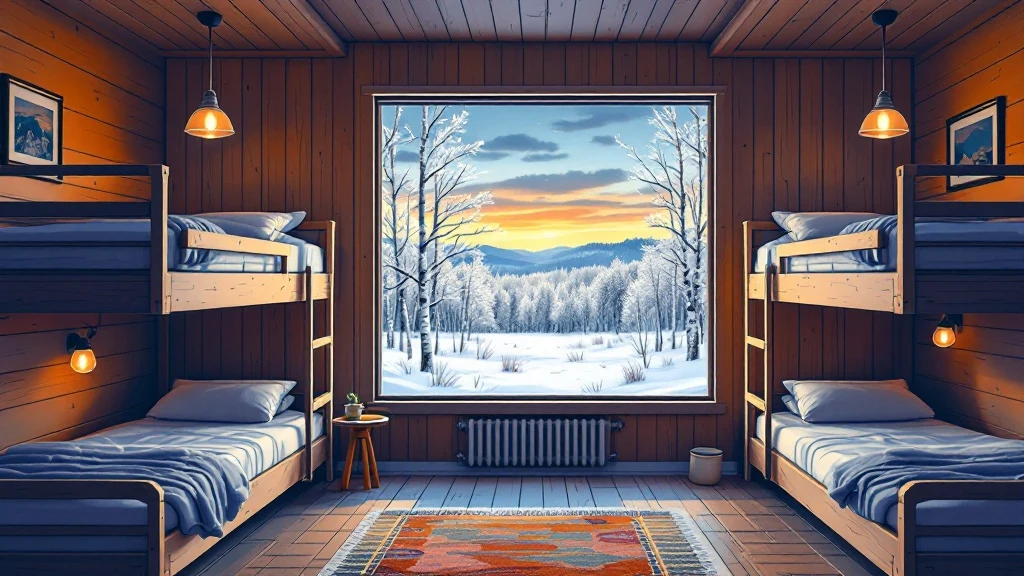
Lapland isn’t exactly a backpacker trail, so don’t expect a hostel on every corner. But they exist, primarily in Rovaniemi and the larger resort towns. Dorm beds start from 29€ per night, and private rooms in hostels run 80-95€ – which already competes with budget hotels once you factor in the social kitchen and shared facilities.
Rovaniemi has the most hostel options, which makes sense as the main gateway. Some hotels in the Santa’s Hotel chain offer budget rooms in multiple Lapland locations – they’re not hostels in the traditional sense, but they hit similar price points for private rooms and are worth checking when you’re comparing options.
The hostel experience in Lapland is different from hostels in Barcelona or Berlin. They’re quieter, cleaner, and emptier. You’ll share a kitchen with maybe four people, not forty. Outside of Christmas week, you’ll often have a dorm room to yourself.
Budget Cabins – The Finnish Way
Cabins are how Finns do Lapland. A mökki (cabin) with a kitchen, sauna, and basic furnishings is the default holiday accommodation here, not a luxury option. Budget cabins start at 55-120€ per night, and most sleep 2-4 people – split between two couples or a family, and you’re looking at under 30€ per person.
The kitchen is the real budget weapon. Self-catering from supermarkets saves significant money on food every day compared to eating out for every meal. K-Market and S-Market are in all resort towns and are well stocked. Cook your own breakfast and lunch, eat out once for dinner if you want. Casual mains run 18-25€ at restaurants, and Lappish specialities like reindeer and fish are 28-40€ – those savings from the cabin kitchen add up fast.
For cabin searches, check Lomarengas.fi and Nettimökki.com first – they have better Lapland-specific selection than international platforms. These are Finnish holiday rental sites with thousands of cabins that never appear on the big international booking sites.
Budget cabins the Finnish way
Lomarengas: cottages across Lapland: the agency Finns book cabins with, every cottage inspected
Ad link: we earn a commission if you book through Lomarengas.
Free Wilderness Huts (Autiotupa)
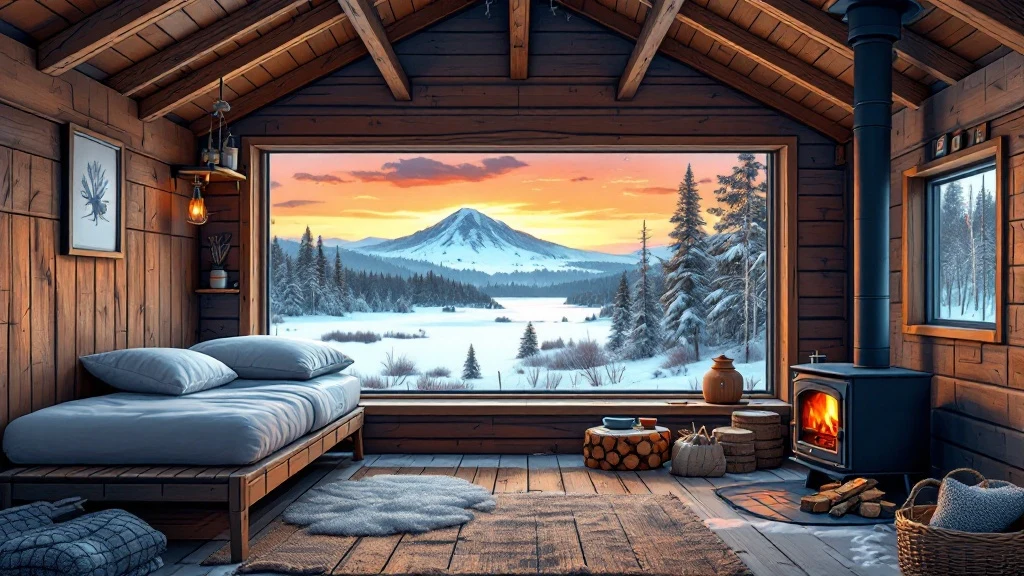
This is the option most visitors don’t know about. Finland’s national parks have a network of free wilderness huts – autiotupa – maintained by Metsähallitus (the forest authority). They’re open to anyone, free of charge, first come first served. No booking, no fees, no registration.
What you get: four walls, a roof, a wood stove or fireplace, dry firewood (which you’re expected to replace by chopping more), a basic cooking area, and sleeping platforms. What you don’t get: electricity, running water, bedding, food, or other people’s company (usually). You bring your own sleeping bag, food, and headlamp.
The main networks are in Urho Kekkonen National Park (accessed from Saariselkä) and Pallas-Yllästunturi National Park (accessed from Enontekiö or Ylläs). Both parks have extensive trail systems – over 200km in Urho Kekkonen and 350km in Pallas-Yllästunturi – with huts spaced along the routes.
A few realities worth knowing: in peak summer hiking season (July-August), popular huts near trailheads can fill up. The further from the road, the emptier they are. Winter use is possible but demands genuine outdoor experience – you need to know how to manage a wood stove, deal with sub-zero temperatures, and navigate on snowshoes or skis. This isn’t a hotel alternative for casual visitors. It’s for hikers and outdoor types who want to spend zero on accommodation and don’t mind carrying their kit.
Trail maps and hut locations are all on nationalparks.fi – plan your route there before heading out.
Budget Bases – Where to Stay Cheap
Not all Lapland destinations cost the same. Your choice of base makes a real difference to your daily spend.
| Destination | Budget Rating | Why |
|---|---|---|
| Luosto / Pyhä | € | Smallest resorts, lowest demand, budget cabin prices at the low end |
| Muonio | € | Small village feel, less tourism infrastructure means lower prices |
| Rovaniemi | €€ | Most hostel options, competition keeps prices down outside December |
| Saariselkä | €€ | Decent range of budget cabins, good value in shoulder season |
| Levi | €€€ | Biggest resort, highest demand, prices reflect it |
| Inari | €€ | Limited supply keeps prices moderate – less choice but reasonable rates |
Luosto and Pyhä are genuinely underpriced for what you get. They’re smaller, quieter, and less internationally known – which is exactly why they’re cheaper. Both sit in beautiful fell country with Pyhä-Luosto National Park right there. Luosto is about 120km from Rovaniemi, an easy drive or bus ride.
Rovaniemi works as a budget base mainly because it has the most competition. Multiple hostels, plenty of budget hotels, and you’ll find dorm beds at prices that simply don’t exist further north. The trade-off: it’s a city of 65,000 people, not a wilderness village. Some people want that. Others don’t.
Booking Tricks That Actually Work
The biggest factor in what you’ll pay for any Lapland accommodation is when you book and when you travel. The actual accommodation type matters less than these two decisions.
Book in spring for next winter. April and May are when Finnish holiday rental companies open their winter bookings. This is when you get the widest selection and the best prices. Booking six or more months ahead for December-February is not just recommended – it’s essentially required for anything at the budget end, because cheap options sell first.
Travel in March. This is the cheat code. Compared with March, December costs about two and a half times as much, January about 80% more and February about 50% more. March has the deepest snow, the most daylight, and the best weather. It’s when Finns themselves go to Lapland. The tourism industry doesn’t market it to international visitors because December and February fill at higher prices.
Shoulder seasons are dramatically cheaper. October runs about 40% below March prices, and April about 20% below. October has northern lights, autumn atmosphere, and first snow. April has spring skiing and warm sun on deep snowpack. Neither is a compromise – they’re genuinely good times to visit.
Avoid Christmas week. December 20 to January 2 is the most expensive window in Lapland. Prices reach about two and a half times March rates, and budget options essentially don’t exist. If you must do December, the first two weeks are cheaper than the last two.
Seasonal Price Impact – By the Numbers
To show how much timing matters, here’s what the seasonal multiplier does to a hypothetical budget cabin priced at 75€ per night in the baseline month (March):
| Month | Price vs March | Effective Price Feel |
|---|---|---|
| March | Reference month | Best value winter month |
| April | About 20% lower | Spring skiing deals |
| October | About 40% lower | Cheapest – aurora season, first snow |
| November | About 20% lower | Pre-Christmas quiet, good value |
| February | About 50% higher | Finnish ski holiday demand |
| January | About 80% higher | Peak aurora demand |
| December | About 2.5 times | Christmas tourism, maximum prices |
The difference between October and December is enormous. The same cabin, the same destination, four times the price difference. That’s not an exaggeration – it’s how Lapland tourism pricing works.
Frequently Asked Questions
Can you stay in wilderness huts for free?
Yes. Autiotupa (open wilderness huts) in Finland’s national parks are maintained by Metsähallitus and free for anyone to use. They’re first come, first served – no booking. You need to bring your own sleeping bag, food, and supplies. Expect a wood stove, firewood, and sleeping platforms, but no electricity or running water. Check hut locations and conditions on nationalparks.fi before your trip.
What’s the cheapest month to visit Lapland?
October, with prices about 40% below March. You get northern lights, autumn colours fading into first snow, and very few tourists. May is also cheap but isn’t a good time to visit – it’s mud season with most activities closed. For winter activities with budget prices, March offers the best winter rates with the best snow and daylight conditions.
Are Lapland hostels safe and clean?
Finnish hostels are extremely clean – this is Finland, where tidiness is basically a cultural value. They’re also very safe. You’ll find shared kitchens well-equipped and common areas well-maintained. The main limitation is availability: Lapland has fewer hostels than southern Finland, so book ahead if you want a dorm bed in Rovaniemi during peak season.
How far ahead should I book budget accommodation?
For winter visits (December-March), book at least six months ahead. Budget options sell first because there’s limited supply. April bookings for the following winter get the widest selection. For shoulder season (October-November, April), two to three months ahead is usually sufficient. Summer is the most flexible – a few weeks often works fine.
Best Booking Resources for Lapland
These are the booking tools I keep coming back to. They consistently offer the best prices, the most relevant options for northern Finland, and actually work well for Lapland-specific searches, which not all platforms do.
- Kiwi.com: The best source for finding flights and airport connections. I have noticed they find flight connections that other search engines miss.
- Booking.com: I almost always use them for booking hotels and apartments (and occasionally flights). They have the best filters and I like the user-friendly interface.
- Hotels.com: The most popular hotel booking platform in many countries, US included.
- Get Your Guide: A massive selection of tours and excursions, including aurora tours, husky rides, reindeer experiences and more!
- EconomyBookings: Want to explore Lapland or chase auroras yourself? They pool together the best offers from car rental operators for your convenience.
- yesim: Need a local SIM for Lapland? A stress-free holiday nowadays (unfortunately) might start from a good connection, so get an eSIM with unlimited or prepaid data.
- Ekta Traveling: Not interested in checking out the Finnish public health care system on your holiday? Didn’t think so 🙂 Good insurance gets that stress out of the way.
As an Amazon Associate I earn from qualifying purchases. Booking through these links costs you nothing extra and helps keep these guides free and up to date. Thank you!

Planning a Lapland trip?
Ask a Finn. The Lapland Trip Planning: Finland group is where readers compare dates, resorts and real prices for the coming winter.
Join the planning groupFollow on FacebookFollow on Pinterest