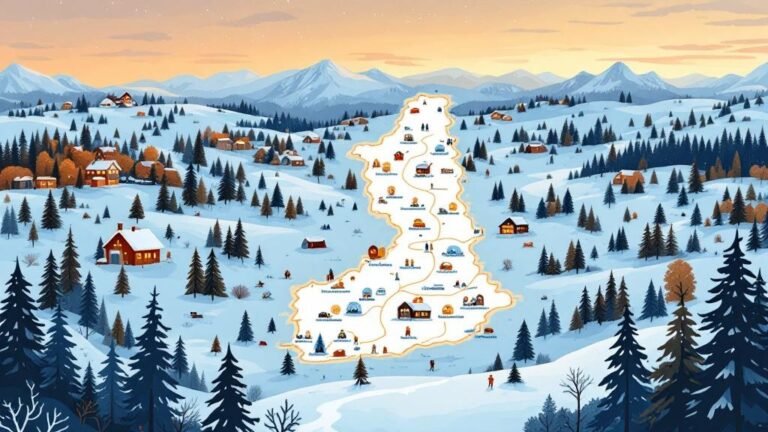

Luosto & Pyhä Guide: The Local’s Secret
Some links on this page are affiliate links. If you book through them, I earn a small commission at no extra cost to you. I only recommend services I genuinely use and trust for Lapland travel.
Most people planning a Lapland trip have never heard of Luosto or Pyhä. That’s exactly what makes them worth knowing about. While Levi builds another hotel and Rovaniemi adds another tour bus route, these twin fell villages sit quietly about 120 km north of Rovaniemi, doing what they’ve always done: offering proper Lapland without the performance.
Luosto and Pyhä are separated by a stretch of national park fell landscape. Between them, they share a national park, Europe’s only operating amethyst mine, one of Finland’s steepest ski slopes, and the kind of atmosphere that Finns themselves seek out. This is where Finnish families come for ski holidays. Foreign tourists rarely show up, which keeps prices low and queues non-existent.
The Luosto & Pyhä Area – What to Expect
Think of Luosto and Pyhä as two sides of the same coin. Luosto is the slightly more developed village – a handful of hotels, a few restaurants, a small ski hill, and the amethyst mine nearby. Pyhä is even smaller but has the better ski resort. The Pyhä-Luosto National Park stretches between and around both villages, connecting them with trails and fell ridges.
The feel here is distinctly different from Levi or Rovaniemi. There are no massive safari companies running conveyor-belt tours. No neon signs. No crowds of tourists photographing the same reindeer. What you get instead is a compact fell village where you can walk to the ski slope, the restaurant, and the trailhead from your cabin. It feels like Lapland in the 1990s – in the best way.
The local population is tiny, and in winter most of the people you’ll meet are Finnish families on ski holiday. Summers are even quieter, with hikers replacing skiers and the national park practically to yourself.

Pyhä-Luosto National Park
The national park is the main reason to come here if you’re not a skier. It covers the fell chain between Luosto and Pyhä, with ancient forests, deep ravines, and open fell tops that give you wide views in every direction. The park isn’t massive by Lapland standards, but it’s varied and accessible – most trailheads start right from the villages.
In winter, the maintained trails work for snowshoeing and cross-country skiing. The snow-covered spruce forest – what Finns call “tykky” – creates the ghostly snow-capped tree shapes you’ve seen in photographs. They’re real here, and you don’t need to trek for hours to find them.
In summer and autumn, the fell trails open up for hiking. The ruska (autumn colours) season in September is particularly good along the fell ridges, where the birch forests turn orange and red against the dark spruce below. The Isokuru ravine near Pyhä is a deep gorge, and the trail through it feels genuinely wild.
One of the best things about this national park: you can hike from Luosto to Pyhä (or vice versa) along the fell ridge. It’s a proper day hike through varied terrain, and there are wilderness huts along the way where you can stop for coffee and dry your socks.
The Amethyst Mine at Lampivaara
The Lampivaara amethyst mine sits on top of a fell between Luosto and Pyhä, and it’s genuinely unlike anything else in Lapland tourism. This is a real amethyst deposit – the only operating amethyst mine in Europe – not a manufactured tourist attraction.
You dig in actual amethyst-bearing rock with hand tools and get to keep any stone that fits in your fist. Most people find something. The quality varies – don’t expect museum-grade gems – but you’ll likely pull out a recognisable purple crystal. For children especially, it’s a genuine highlight – the combination of treasure hunting and the adventure of getting up to the fell makes it one of those Lapland memories that sticks.
In winter, you reach the mine by snowmobile-pulled sled (a “Pendolino” – the locals’ joke, named after Finland’s high-speed train). In summer, it’s accessible by trail or shuttle. The mine operates year-round, which is unusual for a Lapland activity.
Skiing at Pyhä
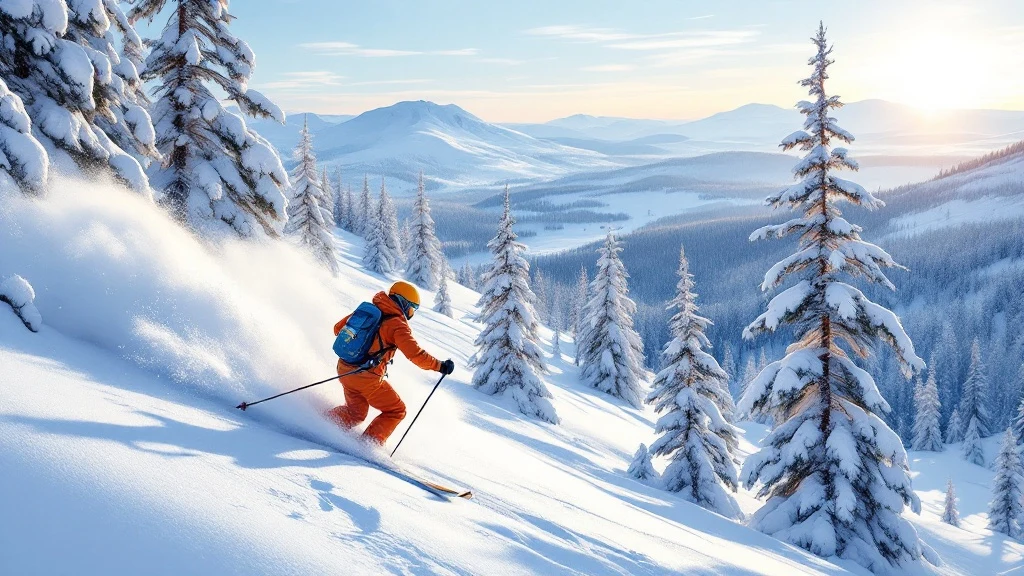
Pyhä ski resort is small by Alpine standards but punches well above its weight for Finland. It has some of the steepest runs in the country, including genuine black runs that would challenge experienced skiers – something Levi and Ruka can’t really claim. The vertical drop isn’t huge (they’re fells, not mountains), but the run variety is real.
The practical advantage of Pyhä is what’s missing: queues. On a typical weekday, you’ll ski straight onto the lift. Even during Finnish school holiday weeks, the wait is a fraction of what you’d face at Levi. The ski school is small enough that instructors actually remember your kids.
For cross-country skiing, the area is excellent. Maintained track networks run through the national park and between the villages. The terrain is more interesting than the flat lake loops you find at some Lapland resorts – proper fell skiing with hills and forest sections.
| Feature | Pyhä | Levi (for comparison) |
|---|---|---|
| Lift queues | Minimal to none | Significant in peak weeks |
| Steepest runs | Genuine blacks | Mostly reds, limited challenge |
| Après-ski scene | Quiet – one or two options | Active bar and restaurant scene |
| International tourists | Very few | Many |
| Ski school | Small, personal | Large, well-organised |
| Cross-country trails | ★★★★ (fell terrain) | ★★★ (flatter, more groomed) |
Getting There
Luosto and Pyhä don’t have their own airport. The nearest option is Rovaniemi airport, which has regular connections from Helsinki and seasonal direct flights from several European cities. From Rovaniemi, it’s about 1.5 hours by car to Luosto.
A rental car is by far the most practical option here. Unlike Rovaniemi or Levi, where you can get by with taxis and shuttles, Luosto and Pyhä are small enough that public transport connections are limited. Having your own car also lets you explore the national park trailheads and drive between the two villages easily. Winter driving in Lapland requires some care – all rental cars come with studded tyres – but the roads here are quieter than the main tourist corridors.
If you’d rather not drive, the overnight train from Helsinki to Rovaniemi is a good way to get north. VR, Finland’s national railway, operates the service – the journey takes about 12 hours, departing in the evening and arriving early morning. Seats start from 23€ (typically €50–90), and sleeping cabins from 69€ per cabin. Train prices vary significantly by season and how early you book — VR uses dynamic pricing and fares climb steeply as the travel date approaches, more aggressively than flights. Book as far ahead as you can; the cheapest fares sell out fast. Prices change seasonally – check Omio for current schedules and easy comparison, or book direct with VR for the widest cabin selection. From Rovaniemi, you’d need a rental car, bus, or pre-arranged transfer to reach Luosto or Pyhä.
Where to Stay
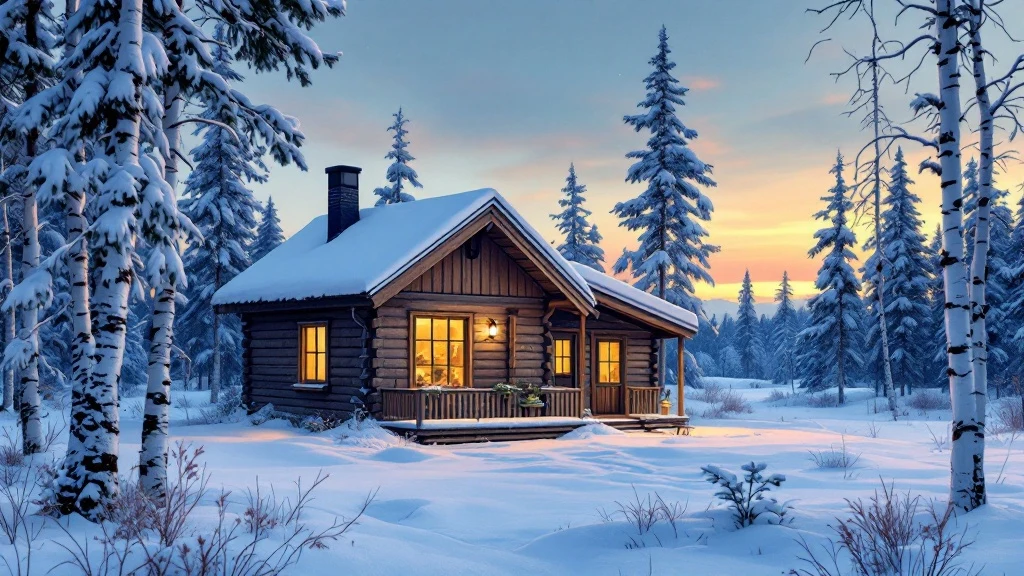
The accommodation options in Luosto and Pyhä are limited compared to bigger resorts – and that’s part of the charm. You won’t be scrolling through hundreds of listings. There are a few clear options.
Lapland Hotels Luostotunturi is the main hotel in Luosto, well-positioned near the fell and close to the amethyst mine. It’s a solid mid-range choice with the facilities you’d expect. Santa’s Hotel Aurora offers something different – glass-roofed suites for aurora viewing, which is a genuine draw given the area’s low light pollution. Budget accommodation in the area runs around 90-120€ per night, with mid-range options at 120-180€. Prices are for the 2026 season and change annually – check booking platforms for current rates.
Self-catering cabins are the other strong option, and very Finnish. Most cabins come with their own sauna and kitchen – if a cabin doesn’t have a sauna, something is wrong. Self-catering can save you 30-40€ per day on food, since restaurant options are limited anyway.
Book early for the Christmas period (late December through early January) – availability is tight because the selection is small to begin with. For March, which is arguably the best time to visit, you’ll find better availability and lower prices.
Who Luosto & Pyhä Suits Best
This isn’t the right base for everyone, and that’s fine. Here’s who should seriously consider it – and who shouldn’t.
Great for:
- Families who ski – small resort, no queues, easy logistics
- Couples wanting quiet Lapland without tour groups
- Budget-conscious travellers – accommodation and activities cost less than Levi or Saariselkä
- Nature lovers and hikers – the national park is right there
- Anyone who’s been to Levi or Rovaniemi and wants something more authentic
Not ideal for:
- First-timers who want maximum activities – fewer safari operators means fewer options for husky rides, snowmobiling, etc.
- Anyone without a car – public transport is sparse
- Night-life seekers – the après-ski scene consists of approximately one bar
- People who want a wide choice of restaurants – bring groceries
If you’re the kind of traveller who picks the small village guesthouse over the resort hotel, Luosto and Pyhä will feel like coming home. For a broader look at how this area compares to Finland’s other Lapland destinations, Visit Finland’s Lapland overview provides useful context.
Frequently Asked Questions
How cold does it get in Luosto and Pyhä?
In January, the coldest month, average highs are around −8°C (18°F) with lows of −17°C, and cold snaps to −35°C happen. The dry Arctic air genuinely feels less harsh than wet, windy conditions at milder temperatures. Activity operators provide thermal suits, and most accommodation is well-heated.
Is the Lampivaara amethyst mine suitable for children?
Very much so – kids tend to love the digging and the thrill of finding their own crystal. The winter transport up the fell by sled is an adventure in itself. Children under school age may find the digging tiring after a while, but there’s no minimum age.
Can I visit Luosto and Pyhä without a car?
It’s possible but limiting. Some hotels arrange transfers from Rovaniemi, and there are occasional bus connections. But to make the most of the area – exploring the national park, visiting the amethyst mine independently, moving between the two villages – a car makes a significant difference.
When is the best time to visit Luosto and Pyhä?
March is the local favourite: deep snow, long daylight hours, falling prices, and no crowds. September is underrated for hikers – the ruska colours on the fells are extraordinary and aurora season has begun. December is atmospheric but expensive and dark.
Best Booking Resources for Lapland
After years of travelling to and around Lapland, these are the booking tools I keep coming back to. They consistently offer the best prices, the most relevant options for northern Finland, and actually work well for Lapland-specific searches, which not all platforms do.
- Kiwi.com: The best source for finding flights and airport connections. I have noticed they find flight connections that other search engines miss.
- Booking.com: I almost always use them for booking hotels and apartments (and occasionally flights). They have the best filters and I like the user-friendly interface.
- Hotels.com: The most popular hotel booking platform in many countries, US included.
- Get Your Guide: A massive selection of tours and excursions, including aurora tours, husky rides, reindeer experiences and more!
- EconomyBookings: Want to explore Lapland or chase auroras yourself? They pool together the best offers from car rental operators for your convenience.
- yesim: Need a local SIM for Lapland? A stress-free holiday nowadays (unfortunately) might start from a good connection, so get an eSIM with unlimited or prepaid data.
- Ekta Traveling: Not interested in checking out the Finnish public health care system on your holiday? Didn’t think so 🙂 Good insurance gets that stress out of the way.
Booking through these links costs you nothing extra and helps keep these guides free and up to date. Thank you!