Midnight Sun in Lapland: When the Sun Doesn’t Set
Updated 15 September 2026.
Some links on this page are affiliate links. If you book through them, I earn a small commission at no extra cost to you. I only recommend services I genuinely trust for Lapland travel.
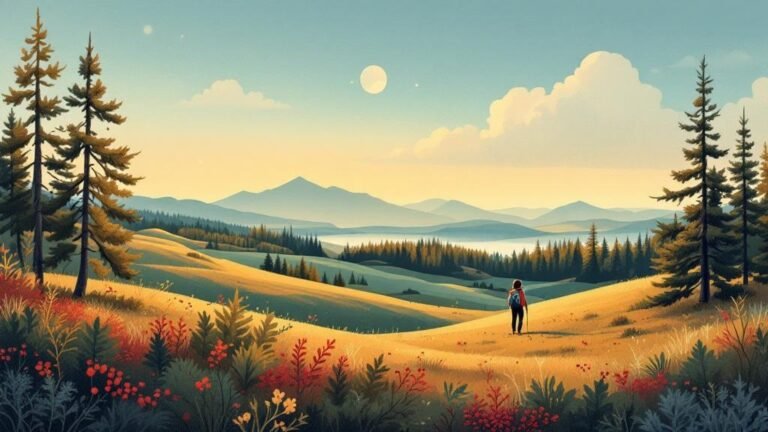
At 11pm on a June night in Utsjoki, you can read a book outside without a torch. Not because it’s twilight or because there’s a faint glow on the horizon – the sun is simply still up, hanging low and golden above the treeline like it forgot to set. Your body knows it should be dark. Your eyes say otherwise. It’s one of the most disorienting, exhilarating things you can experience in Europe, and it lasts for weeks.
The midnight sun – when the sun stays above the horizon for a full 24 hours – is the Arctic’s answer to the kaamos (polar night) of winter. Finnish Lapland is one of the most accessible places on earth to experience it, and the further north you go, the longer it lasts. But there are practical things to know before you go: when exactly it happens, where to be, and most urgently, how on earth you’re going to sleep.
Midnight Sun Dates by Location
People assume the midnight sun is one fixed event, like an eclipse. It’s not. It’s a season, and its length depends entirely on your latitude. The further north you are, the more days the sun refuses to set.
| Location | Latitude | Midnight Sun Period (approx.) | Total Days |
|---|---|---|---|
| Utsjoki | 69.9°N | Mid-May to late July | ~73 days |
| Inari | 69.1°N | Late May to mid-July | ~60 days |
| Saariselkä | 68.4°N | Late May to mid-July | ~54 days |
| Sodankylä | 67.4°N | Early June to early July | ~37 days |
| Rovaniemi | 66.5°N | Early–mid June to early July | ~30 days |
Rovaniemi sits almost exactly on the Arctic Circle, which means it technically qualifies for the midnight sun – but just barely. The sun dips to the horizon and skims along it rather than hanging clearly in the sky. For the dramatic, sun-above-the-trees-at-midnight effect, head north of Inari.
What It Actually Looks and Feels Like
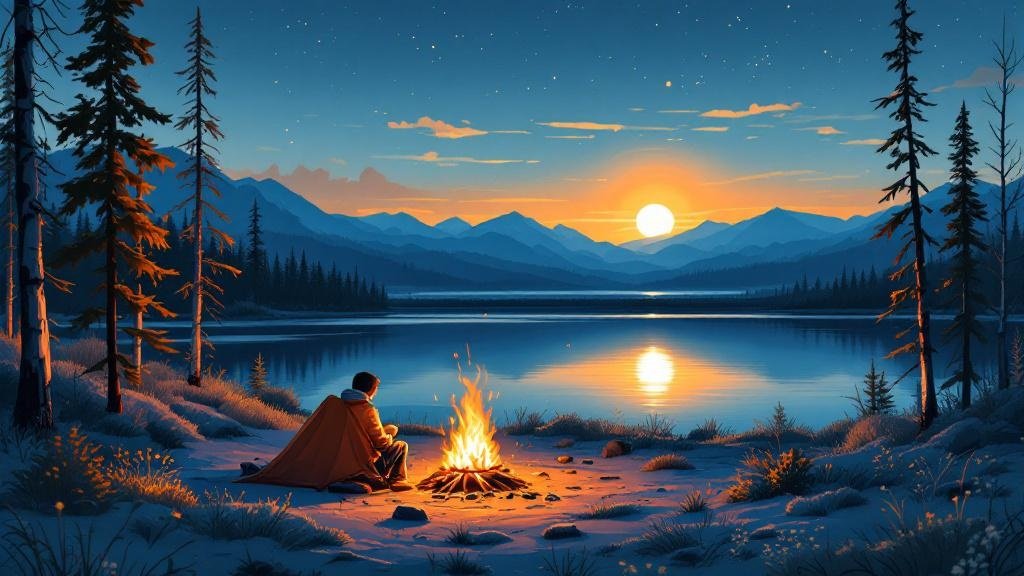
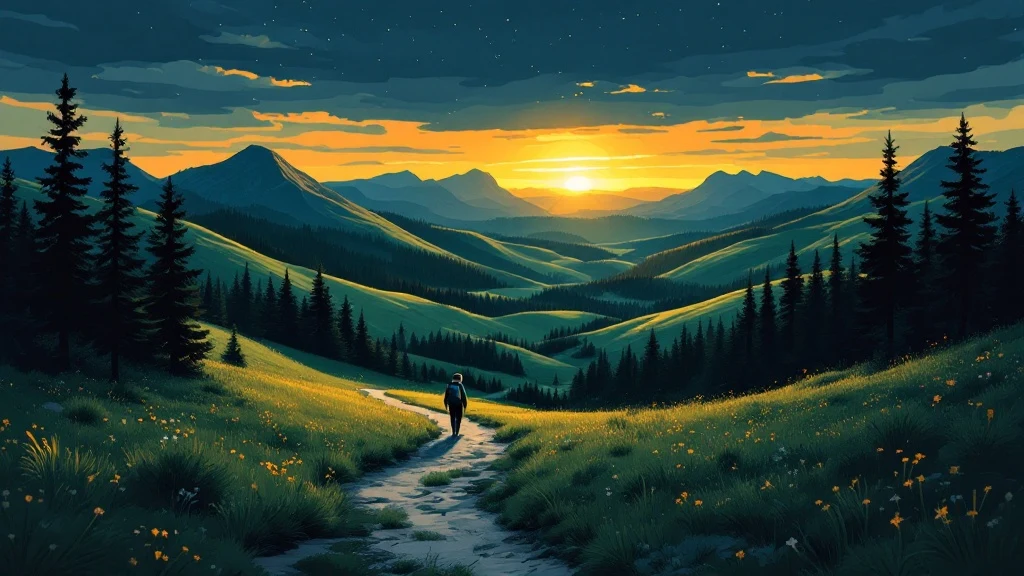
Photos don’t quite capture it, because your brain automatically adjusts them to “daytime.” The reality is stranger than that. At midnight, the light turns warm and golden – a permanent golden hour that stretches on for hours. Shadows are long. Everything looks like it was painted in honey. The sky cycles through soft oranges and pinks without ever going dark, then brightens again into morning.
The temperature tells a different story. Even in late June, nights in Lapland cool down to around 8–12°C (46–54°F), sometimes lower. You’ll want a fleece or light jacket for midnight walks. The air is still. Birdsong doesn’t stop. It’s surreal – your senses keep waiting for darkness that never arrives.
There’s no single “midnight sun moment.” It’s not like northern lights where you wait and hope. The sun is just… there. The peak experience is usually between 11pm and 1am, when the sun reaches its lowest point and the light is at its most golden. Many people find it surprisingly emotional – this sense that time has stopped, that the normal rules don’t apply.
Midnight Sun vs White Nights
If you’ve experienced the white nights of Helsinki, St. Petersburg, or Stockholm in June, you might think you know what to expect. You don’t. White nights are twilight – the sun sets but doesn’t go far enough below the horizon for true darkness. The sky stays pale, the air feels dusky, and you can see well enough to walk without a torch.
The midnight sun is categorically different. The sun doesn’t set at all. It’s daytime at midnight. There is no dusk, no twilight phase, no gradual dimming. Just continuous, actual sunlight for weeks on end. Helsinki at the summer solstice has about 19 hours of sunlight and bright twilight through the rest. Utsjoki has 24 hours of sun above the horizon, full stop.
This is an important distinction because some travellers visit Rovaniemi in late June expecting the full midnight sun experience and get something closer to very bright white nights, especially on cloudy evenings. For the unambiguous, sun-clearly-above-the-horizon-at-midnight experience, you need to be north of the 68th parallel.
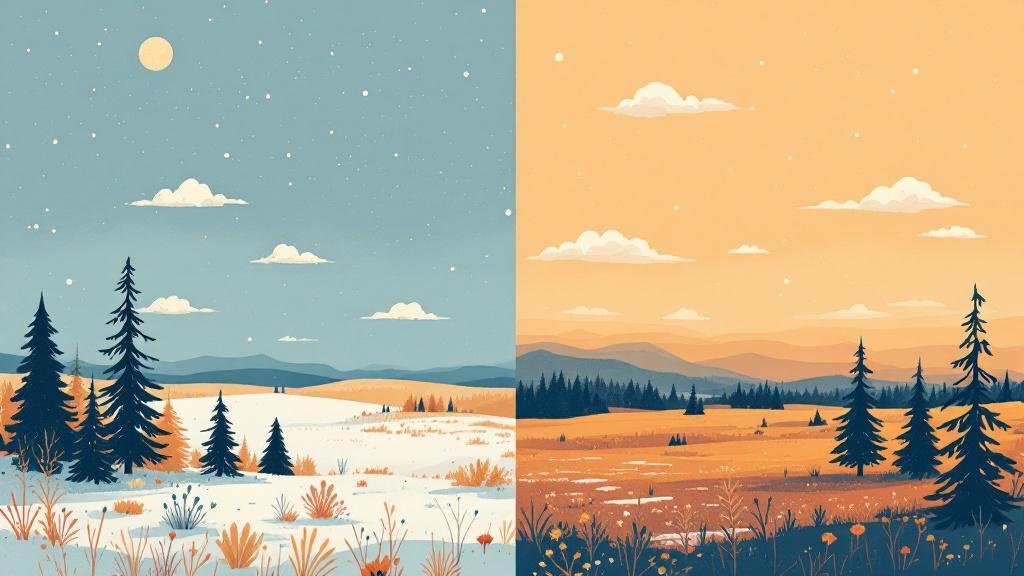
Best Places to Experience the Midnight Sun
Utsjoki is the undisputed champion. Finland’s northernmost village sits at nearly 70°N, giving you over two months of midnight sun. The Teno River valley is spectacular for midnight photography, and the Sámi cultural heritage adds depth beyond the light itself. It’s remote – that’s the point.
Inari offers the best balance of accessibility and genuine midnight sun duration. Lake Inari, one of Finland’s largest lakes, creates a vast reflective surface that doubles the visual impact. Around 60 days of midnight sun, plus amenities like restaurants, a supermarket, and the excellent Siida museum. Fly into Ivalo (about 40 minutes south by road).
Saariselkä and Kiilopää pair the midnight sun with some of Lapland’s best hiking terrain. Walk to the top of Kiilopää fell at midnight and watch the sun glide along the horizon. The national park setting means minimal light pollution – not that you need darkness, but the landscape is wilder.
Kilpisjärvi in the far northwest arm of Finland gets a long midnight sun season and offers the most dramatic fell scenery. The Three Countries Cairn hike (where Finland, Sweden, and Norway meet) is spectacular in midnight light.
Rovaniemi works if it’s part of a broader trip, but don’t make it your midnight sun destination. The sun barely skims the horizon, clouds can obscure it entirely, and the experience is more “it doesn’t get dark” than “the sun is up at midnight.”
What to Do with 24 Hours of Daylight
The midnight sun doesn’t just look impressive – it completely changes what you can do. No headlamps needed, no rush to get back before dark. You can start a hike at 10pm and it feels like late afternoon.
Hiking. This is the main event. Lapland’s fell trails are open and snow-free from mid-June, and hiking under the midnight sun is a fundamentally different experience from daytime walking. The trails in Urho Kekkonen National Park near Saariselkä, Pallas-Yllästunturi National Park, and the trails around Kilpisjärvi are all superb. The long light means you can cover serious distance without time pressure.
Fishing. The midnight sun season overlaps with excellent salmon and trout fishing, particularly on the Teno River in Utsjoki. Finns consider midnight fishing on the Teno a near-spiritual experience. Permits are required and limited – plan ahead.
Canoeing and kayaking. Paddling on a glassy lake at midnight, the sun golden on the water, is one of Lapland’s most underrated summer experiences. Several operators around Inari and Muonio offer guided midnight paddles.
Midnight golf. Yes, this exists. Several courses in Lapland host midnight sun golf tournaments in June. It’s more novelty than serious sport, but teeing off at midnight in full daylight is a solid travel story.
Berry picking and foraging. From mid-July, cloudberries (lakka), bilberries, and wild herbs start appearing. The Finnish concept of jokamiehenoikeus – every person’s right to roam and forage on any land – means you can pick freely.
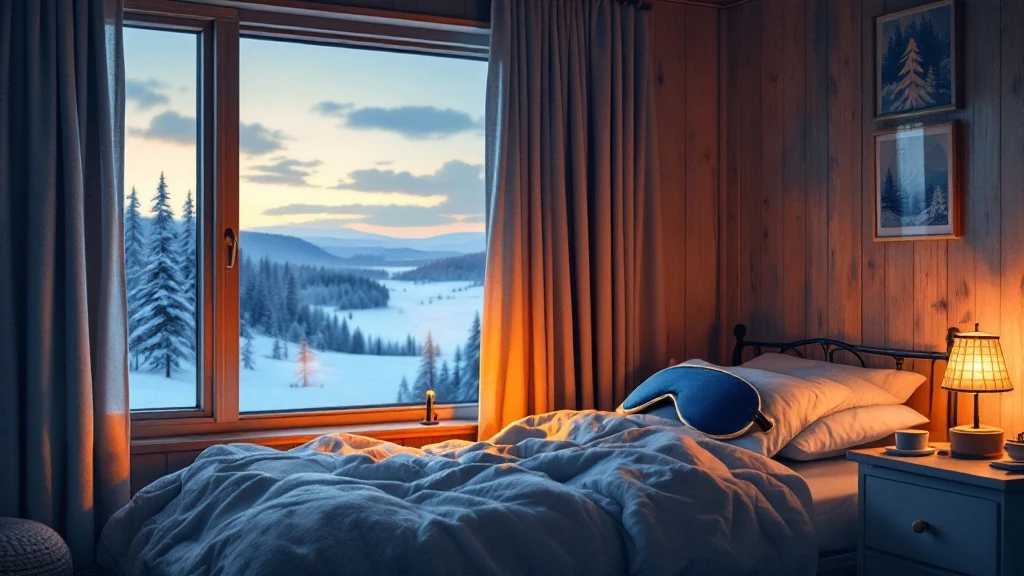
How to Sleep When It Never Gets Dark
This is not a minor issue. Your body produces melatonin in response to darkness. When there is no darkness, your body doesn’t get the signal. The result: you lie awake at 2am feeling oddly alert, wondering why you aren’t tired, then crash hard the next afternoon.
A few practical solutions:
- Bring a quality sleep mask. Not a flimsy airline freebie – a proper contoured mask that blocks all light. This is the single most important item to pack for a midnight sun trip.
- Check your accommodation for blackout curtains. Hotels in Lapland generally have them. Rental cabins and Airbnbs often don’t. Ask before booking. Aluminium foil on the windows is the Finnish backup plan – and yes, locals actually do this.
- Set a routine. Without darkness as a cue, your body needs other signals. Eat dinner at a normal time, avoid screens for an hour before bed, and resist the urge to “just go for a quick midnight walk.” That quick walk turns into two hours every time.
- Give it two nights. Most people struggle on night one, adjust somewhat on night two, and sleep normally by night three. Your body adapts faster than you’d expect.
Midsummer (Juhannus) – Beautiful but Complicated
Juhannus, the Finnish midsummer celebration, falls around June 24 each year. It’s one of Finland’s biggest holidays – right up there with Christmas. Finns head to their summer cottages, light bonfires by lakes, and generally disappear from public life for the weekend.
This matters for your trip because almost everything closes. Shops, restaurants, museums, visitor centres – closed for the long weekend. Cities empty out. Public transport runs on reduced schedules. If you’re in Lapland over Juhannus, stock up on groceries before the weekend and don’t count on eating out.
The upside: if you’re invited to a Finnish midsummer celebration, say yes immediately. Bonfires, sauna, swimming in a lake at midnight under full sun – it’s an authentic Finnish experience that no tour operator can replicate. But these are private gatherings, not public events. Without a local connection, Juhannus weekend can feel oddly lonely.
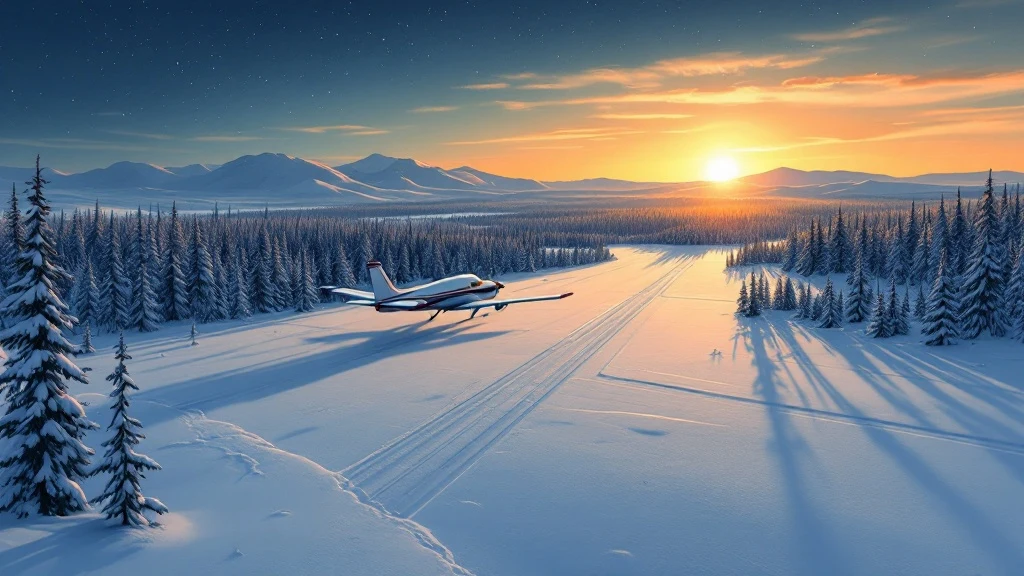
Getting There for Midnight Sun Season
Summer is Lapland’s quieter season for tourism, which means fewer direct flight options but also lower prices and less crowding. Flights from Helsinki to Ivalo (for Inari/Utsjoki) take about 1.75 hours, with one daily Finnair flight. Helsinki to Rovaniemi is about 1.5 hours with multiple daily flights. Return flights range from 80–200€.
The overnight train from Helsinki to Rovaniemi is a good option in summer – you depart around 18:00–19:00 and arrive at 06:00–08:00, saving a night’s accommodation. Prices range from €23 for a seat (typically €50–90) to from €94 per cabin for a sleeping cabin with shower/WC. From Rovaniemi, you’ll need a rental car or bus to continue north.
From the UK, fly via Helsinki year-round. The direct winter charter flights to Lapland don’t operate in summer. Budget 150–400€ return for London to Rovaniemi via Helsinki. From the US, Helsinki is your gateway – connect from JFK, Chicago, Dallas, or Miami on Finnair or partner airlines.
Frequently Asked Questions
When is the midnight sun in Finnish Lapland?
It depends on how far north you are. In Utsjoki (Finland’s northernmost point), the midnight sun lasts from mid-May to late July – about 73 days. In Rovaniemi at the Arctic Circle, it’s roughly early June to early July – about 30 days. The summer solstice around June 21 is the midpoint everywhere.
Is it hot during midnight sun season?
Not really. Daytime temperatures in June and July typically reach 15–22°C, occasionally hitting 25°C during warm spells. Nights drop to 8–12°C even with the sun up. Pack layers and a light waterproof jacket – Lapland summer weather is changeable.
Are mosquitoes bad in Lapland during summer?
Yes. Peak mosquito season runs from late June through July, especially near water and in still conditions. A head net and strong repellent (look for products with DEET or icaridin) are essential for hiking. The mosquitoes ease significantly by mid-August.
Can you see the northern lights during midnight sun?
No. The northern lights require darkness to be visible, and the midnight sun provides the exact opposite. Aurora season in Lapland runs from September to March. If you want both experiences, you’ll need two separate trips.
Do I need to book accommodation in advance for summer?
Summer is far less crowded than winter, but popular spots like Inari and Saariselkä do fill up during Juhannus (midsummer weekend, around June 24) and July holiday weeks. Booking a month or two ahead is usually sufficient outside those peak dates.
The midnight sun isn’t something you watch – it’s something you live in. It rewires your sense of time, makes ordinary landscapes look extraordinary, and gives you the strange gift of days that simply don’t end. Bring the sleep mask. You’ll need it.
Best Booking Resources for Lapland
These are the booking tools I keep coming back to. They consistently offer the best prices, the most relevant options for northern Finland, and actually work well for Lapland-specific searches, which not all platforms do.
- Kiwi.com: The best source for finding flights and airport connections. I have noticed they find flight connections that other search engines miss.
- Booking.com: I almost always use them for booking hotels and apartments (and occasionally flights). They have the best filters and I like the user-friendly interface.
- Hotels.com: The most popular hotel booking platform in many countries, US included.
- Get Your Guide: A massive selection of tours and excursions, including aurora tours, husky rides, reindeer experiences and more!
- EconomyBookings: Want to explore Lapland or chase auroras yourself? They pool together the best offers from car rental operators for your convenience.
- yesim: Need a local SIM for Lapland? A stress-free holiday nowadays (unfortunately) might start from a good connection, so get an eSIM with unlimited or prepaid data.
- Ekta Traveling: Not interested in checking out the Finnish public health care system on your holiday? Didn’t think so 🙂 Good insurance gets that stress out of the way.
As an Amazon Associate I earn from qualifying purchases. Booking through these links costs you nothing extra and helps keep these guides free and up to date. Thank you!

Planning a Lapland trip?
Ask a Finn. The Lapland Trip Planning: Finland group is where readers compare dates, resorts and real prices for the coming winter.
Join the planning groupFollow on FacebookFollow on Pinterest