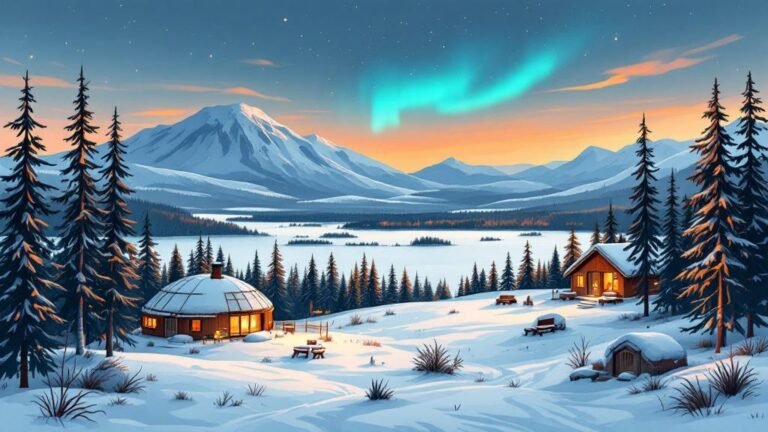

Where to Stay in Inari: Hotels, Cabins & Aurora Igloos
Updated 25 September 2026.
Some links on this page are affiliate links. If you book through them, I earn a small commission at no extra cost to you. I only recommend services I genuinely trust for Lapland travel.
Inari has maybe ten places to stay. That’s not an exaggeration for dramatic effect – it’s roughly the actual number of accommodation options in and around this small Sámi village on the shores of Lake Inari, 300 km north of the Arctic Circle. If you’re used to browsing dozens of hotels in Levi or Rovaniemi, Inari will feel like a different planet. It is. That’s the whole point.
The upside of limited supply is that almost everything here is genuinely good. There are no generic chain hotels, no identikit holiday apartments. What you get instead are wilderness lodges with lake views, aurora cabins with glass ceilings, and one outstanding hostel that used to be a school. The downside? If you don’t book early, you don’t book at all – especially between December and February.
Create a free Booking.com account before you book: Level 1 Genius is instant and takes about 10% off many stays, which for a Lapland stay is worth more than any code you’ll find.
Compare Inari stays for your dates
Hotels in Inari: compare stays on Booking.com
The Accommodation Landscape: What You’re Working With
Let’s set expectations. Inari village itself has a handful of properties. Ivalo, 40 km south, adds a few more. And then there are remote wilderness lodges scattered along the lakeshore and further into the forest. That’s your universe of options. Prices for the 2025-26 season run roughly 80-95€ per night for budget options, 140-250€ for mid-range, and 250-310€ for the premium wilderness lodges. Prices change annually – check operator websites or booking platforms for current rates.
| Category | Price Range (per night) | What You Get |
|---|---|---|
| Hostel / Budget | 29-95€ | Dorms from 29€, private rooms 80-95€. Clean, basic, social. |
| Budget Hotel | 80-130€ | Simple rooms in or near village centre. No frills but functional. |
| Mid-range Hotel / Cabin | 130-250€ | Wilderness hotels, lake views, saunas, activity bookings on site. |
| Luxury / Aurora Igloo | 250-500+€ | Remote lodges, glass igloos, guided aurora programmes. |
| Glass Igloo (peak Dec–Feb) | 400-990€ | Premium aurora viewing from your bed. Book 6+ months ahead. |
Wilderness Hotels: The Inari Specialists
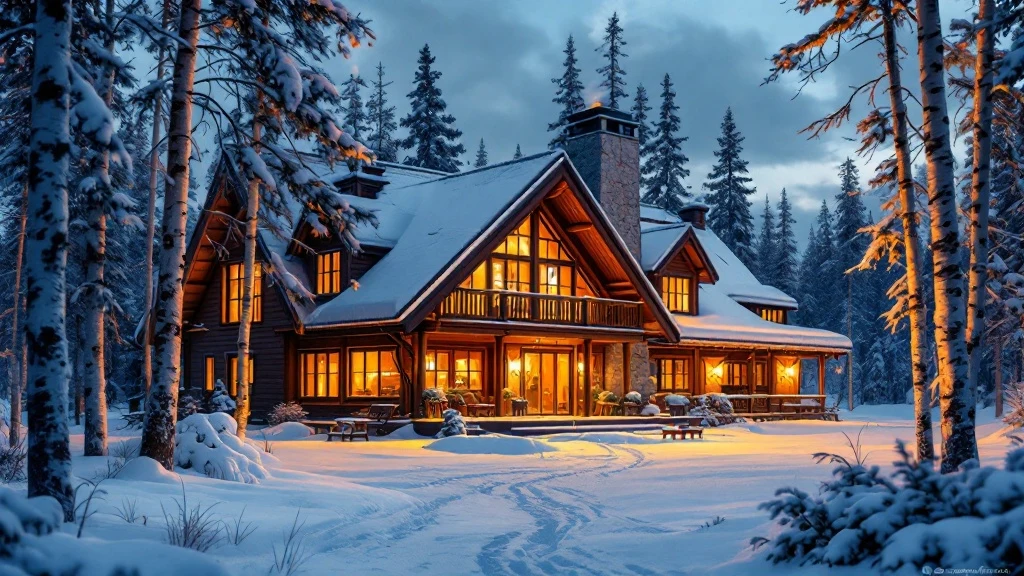
The Wilderness Hotels chain is the dominant name here, with several properties in the Inari–Ivalo area. They’re boutique wilderness properties – not huge resorts – and each has its own character.
Wilderness Hotel Inari
Right on the shore of Lake Inari, this is the most convenient mid-range option if you want to be in the village itself. Aurora cabins are available, and the location means you can walk to Siida (the Sámi museum) and the handful of restaurants in the village. It’s a solid, well-run place – not flashy, but you’re paying for the location and the lake views rather than luxury finishes.
Wilderness Hotel Nellim
This is the premium choice, and it’s genuinely special. Nellim sits on the shore of Lake Inari about 40 km from Inari village – remote enough that light pollution is essentially zero. That makes it one of the better aurora viewing locations in Finnish Lapland. They offer aurora igloos for watching the northern lights from bed, and their guided aurora programmes are well-regarded. Expect to pay 250-310€ per night for standard accommodation, with aurora igloos at the higher end of the scale. If you’re coming to Inari specifically for the northern lights and budget allows, this is where locals would point you.
Wilderness Hotel Muotka
Another property in the chain, Muotka sits in the wilderness between Inari and Saariselkä. It’s an option worth knowing about if Inari and Nellim are booked up, which happens often during peak season.
Aurora Cabins and Glass Igloos
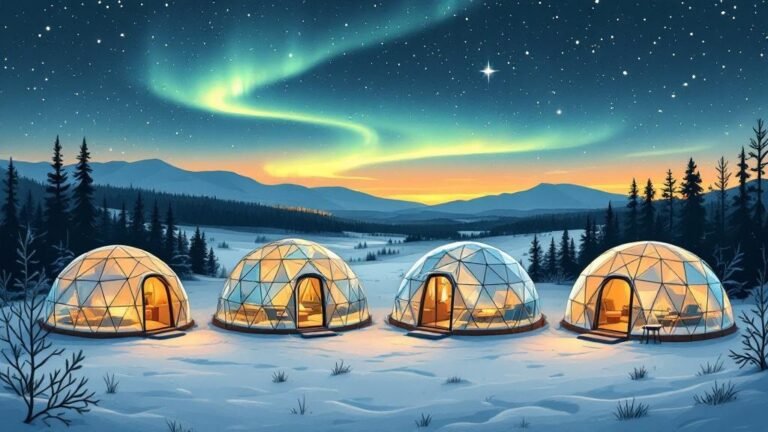
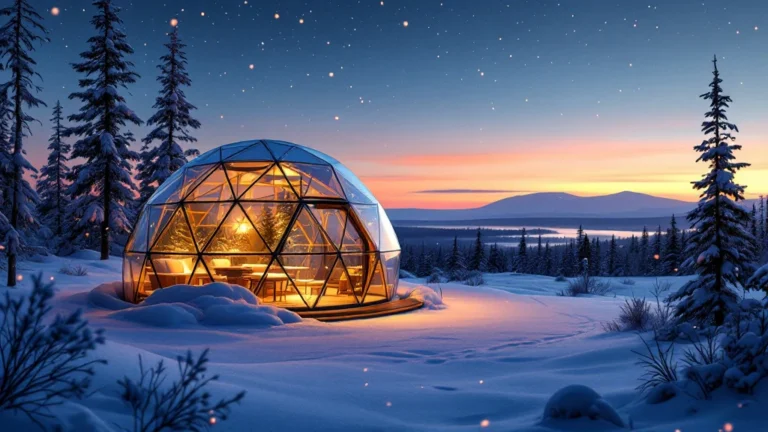
Glass igloos are what put Inari on many travellers’ radar. The concept is simple: a heated room with a glass ceiling, positioned away from light pollution, so you can watch the northern lights from your bed. In practice, it’s one of those experiences that lives up to the idea – if the skies cooperate.
Prices vary sharply by season. During the shoulder months (roughly October–November, March), glass igloos run 250-450€ per night. During peak season (December through February), they jump to 400-990€. The most sought-after dates around Christmas and New Year should be booked six months ahead or more. March availability is significantly easier and prices drop 30-40% from peak.
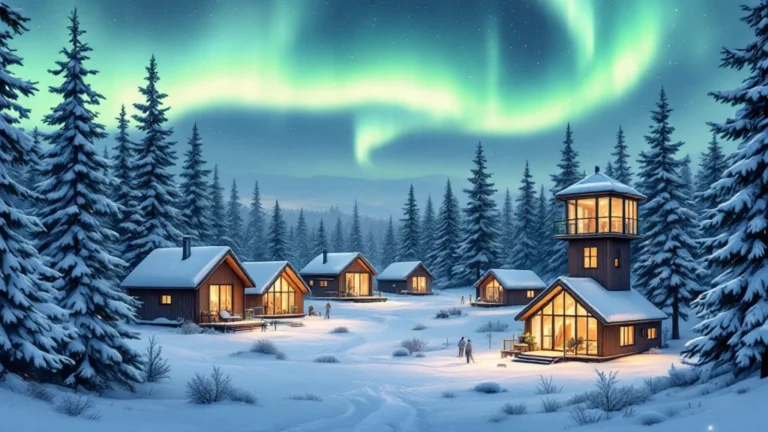
Aurora cabins – a step between a regular hotel room and a full glass igloo – are offered at Wilderness Hotel Inari among others. These typically have a large glass wall or skylight rather than a fully transparent ceiling. They’re more affordable and often a better deal if you’re a light sleeper (full glass igloos can get bright at dawn).

Budget Option: Grand Hostel Ivalo
Grand Hostel Ivalo is the budget answer to Inari’s high prices, and it’s a genuinely excellent one. Housed in a converted school building in Ivalo (40 km south of Inari), it’s rated 9.3 on Booking.com – an absurdly high score for a hostel. Dorms start from 29€, private rooms run 80-95€.
The catch is that you’re in Ivalo, not Inari. Ivalo is a functional small town with a K-Market supermarket, a few restaurants, and the area’s airport (Ivalo Airport serves both towns). Without a car, you’ll need to coordinate bus connections or operator pickups to reach Inari village and its surroundings. With a car, the 40 km drive takes about 30 minutes on a well-maintained road.
Hotel Inari in the village centre is another budget-friendly option if you want to be in Inari itself, with simple rooms at the lower end of the price range.
Cabin Rentals Around Lake Inari
Lake Inari is Finland’s third-largest lake, and its shores are dotted with rental cabins. These are the classic Finnish holiday experience: log cabin, sauna, lake view, kitchen, total silence. If your accommodation doesn’t have a sauna, something has gone wrong.
Budget cabins start around 55-120€ per night, mid-range options with more amenities run 150-310€, and luxury cabins with private hot tubs and aurora-friendly locations can reach 300-600€ or more. Most cabins have full kitchens, and self-catering with supermarket groceries can save you 30-40€ per day compared to eating out.
For finding cabins, Finnish platforms tend to have better Inari-area selection than international sites. Lomarengas has been running since 1967 and quality-inspects their properties. Nettimökki is Finland’s largest cabin marketplace with over 1,200 listings across Lapland. Both are more reliable for this area than Airbnb, where cabin listings can be variable in quality.

Ivalo vs Inari Village: Which Base?
These two towns are 40 km apart and serve different purposes. Here’s how they compare:
| Inari Village | Ivalo | |
|---|---|---|
| Vibe | Small Sámi village, quiet, cultural | Functional small town, more services |
| Accommodation options | Very few (5-6 properties) | A few more, including the hostel |
| Airport access | 40 min drive from Ivalo Airport | 5 min from Ivalo Airport |
| Supermarket | Small shop | K-Market, S-Market |
| Restaurants | A handful, some excellent | More variety |
| Best for | Sámi culture, wilderness immersion | Budget travellers, airport convenience |
| Car needed? | Helpful but not essential | Helpful for reaching Inari attractions |
Both work as a base for exploring the area. If your main goal is Sámi culture and Lake Inari, stay in the village. If you’re budget-conscious or arriving late on a flight, Ivalo makes logistical sense. Many travellers split their stay – a night or two in Ivalo for convenience, then move to a wilderness lodge or cabin for the main event.
Booking Tips for Peak Season
Inari’s limited supply means peak season sells out fast. Here’s what to know:
- Christmas week (Dec 20–Jan 2): Book a year ahead. Prices hit two and a half to three times normal rates. This is non-negotiable – there simply aren’t enough rooms.
- Glass igloos (Dec–Feb): Book six months ahead minimum. March is dramatically easier and cheaper.
- Shoulder seasons (Oct–Nov, Apr): Availability opens up significantly. Prices drop to 60-80% of peak. October and November still offer aurora chances with far fewer tourists.
- Cabins: Check Lomarengas and Nettimökki before international platforms. Better selection, often better prices, and the listings are quality-verified.
- Cancellation policies: If this is your first time planning a Lapland trip, booking through a major platform gives you free cancellation and English-language support – worth the small premium for peace of mind. Repeat visitors who know exactly which property they want can save by booking direct with operators.
Frequently Asked Questions
How far in advance should I book accommodation in Inari?
For December through February, six months ahead is the minimum – a year ahead for Christmas week. With only around 10 properties in the area, peak season genuinely sells out. March and shoulder months are far more forgiving; a few weeks ahead is usually sufficient.
Do I need a car to stay in Inari?
It depends on where you stay. In Inari village itself, you can walk to restaurants and the Siida museum. But to reach Nellim, lakeside cabins, or to move between Ivalo and Inari, a car is a major advantage. Most safari operators offer hotel pickups, which helps if you’re car-free.
Is it worth staying in Ivalo instead of Inari?
Yes, especially on a budget. Ivalo has better supermarkets, more restaurant choices, and Grand Hostel Ivalo is one of the best-value stays in all of Lapland. The 40 km drive to Inari takes about 30 minutes on a good road. Many travellers use Ivalo as their first and last night and spend the middle of their trip at a wilderness property.
Are glass igloos worth the price?
On a clear night with active aurora, absolutely – it’s a remarkable way to experience the northern lights. On a cloudy night, you’ve paid several hundred euros for a room with a glass ceiling and no view. Booking in March improves your odds of both clear skies and lower prices, and mixing one igloo night with regular accommodation nights is a smart compromise.
Inari rewards you for the effort of getting there. The limited accommodation isn’t a flaw – it’s what keeps this corner of Lapland feeling like genuine wilderness rather than a resort. Book early, manage your expectations on choice, and you’ll have one of the most authentic Arctic experiences in Finland.
Best Booking Resources for Lapland
These are the booking tools I keep coming back to. They consistently offer the best prices, the most relevant options for northern Finland, and actually work well for Lapland-specific searches, which not all platforms do.
- Kiwi.com: The best source for finding flights and airport connections. I have noticed they find flight connections that other search engines miss.
- Booking.com: I almost always use them for booking hotels and apartments (and occasionally flights). They have the best filters and I like the user-friendly interface.
- Hotels.com: The most popular hotel booking platform in many countries, US included.
- Get Your Guide: A massive selection of tours and excursions, including aurora tours, husky rides, reindeer experiences and more!
- EconomyBookings: Want to explore Lapland or chase auroras yourself? They pool together the best offers from car rental operators for your convenience.
- yesim: Need a local SIM for Lapland? A stress-free holiday nowadays (unfortunately) might start from a good connection, so get an eSIM with unlimited or prepaid data.
- Ekta Traveling: Not interested in checking out the Finnish public health care system on your holiday? Didn’t think so 🙂 Good insurance gets that stress out of the way.
As an Amazon Associate I earn from qualifying purchases. Booking through these links costs you nothing extra and helps keep these guides free and up to date. Thank you!

Planning a Lapland trip?
Ask a Finn. The Lapland Trip Planning: Finland group is where readers compare dates, resorts and real prices for the coming winter.
Join the planning groupFollow on FacebookFollow on Pinterest