Saariselkä vs Inari: Wilderness or Culture?
Updated 24 September 2026.
Some links on this page are affiliate links. If you book through them, I earn a small commission at no extra cost to you. I only recommend services I genuinely trust for Lapland travel.
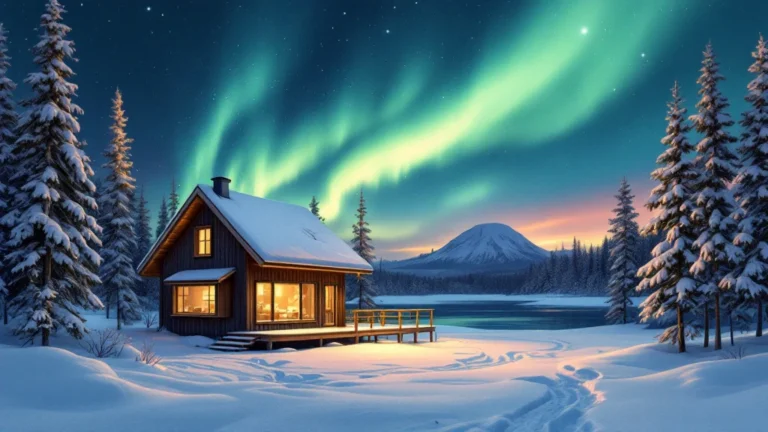
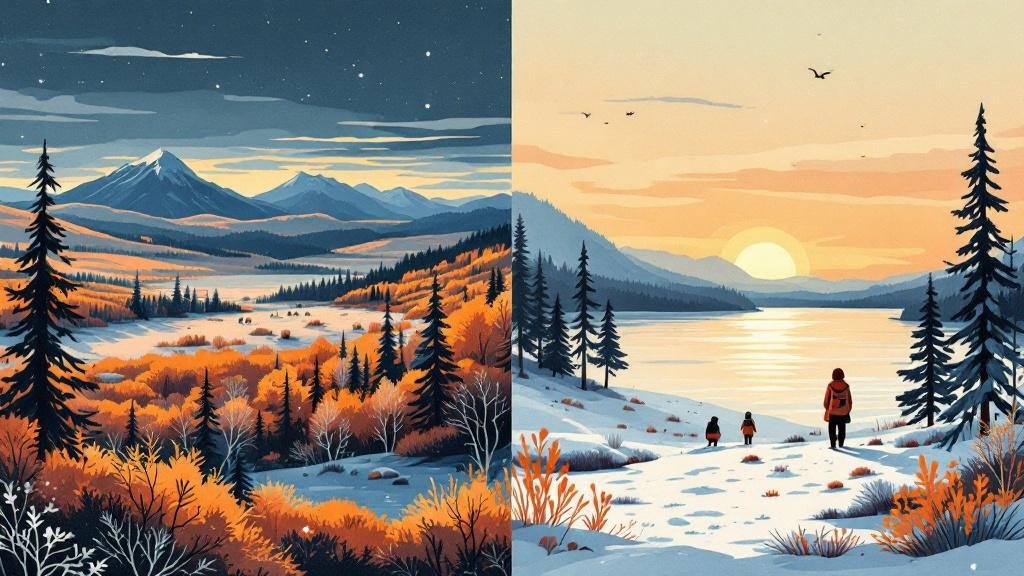
Saariselkä and Inari are about 70 km apart, roughly an hour by car. You could eat breakfast in one and have lunch in the other. Yet they feel like completely different places. Saariselkä is a purpose-built outdoor activity base with hotels, ski slopes, and safari operators lined up ready for you. Inari is a small village on the shore of a massive lake, the cultural capital of Finland’s Sámi people, and one of the darkest spots in Lapland for aurora viewing. Same airport, same region, very different trip.
The good news: you don’t have to choose. But if you’re booking accommodation and want to know where to base yourself, the differences matter.
Saariselkä vs Inari at a glance
| Saariselkä | Inari | |
|---|---|---|
| Vibe | Activity resort village | Quiet lakeside village, Sámi cultural centre |
| Size | Small resort, easy to walk | Tiny village, a few streets |
| Airport | Ivalo (IVL), 25 km | Ivalo (IVL), 40 km |
| Activity operators | Many – husky, snowmobile, reindeer, skiing | Fewer, more intimate |
| Skiing | 15 slopes, 200 km cross-country trails | No ski resort, some trails |
| Aurora viewing | Good | Excellent – darker skies, less light pollution |
| Culture | Limited | Sámi Parliament, Siida Museum, Sámi artisans |
| Restaurants | Several hotel restaurants, a few independents | Small selection, quality Lappish food |
| Supermarket | K-Market ✓ | K-Market ✓ |
| Glass igloos | Kakslauttanen, Star Arctic Hotel | Not in Inari village |
| National park access | Urho Kekkonen NP – main entrance | Lemmenjoki NP nearby, Lake Inari |
| Best for | Active holidays, families, skiing | Culture, aurora, quiet retreats, couples |

Saariselkä: the outdoor base
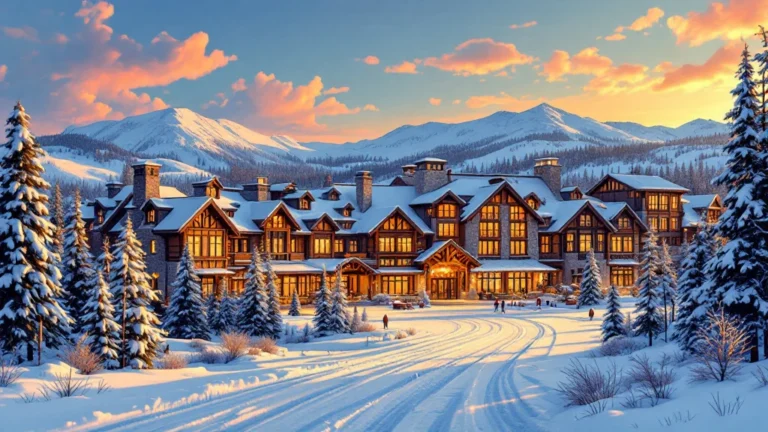
Saariselkä exists because of tourism, and it does tourism well. It’s Europe’s northernmost ski resort – small by Alpine standards with 15 slopes and 6 lifts, but ideal for families and intermediates. The cross-country ski network covers 200 km with 34 km of lit trails, connecting directly into Urho Kekkonen National Park, Finland’s second-largest national park at 2,550 km².
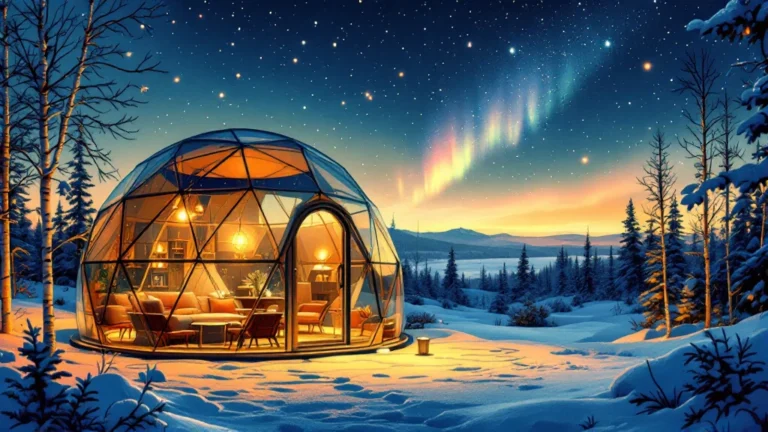
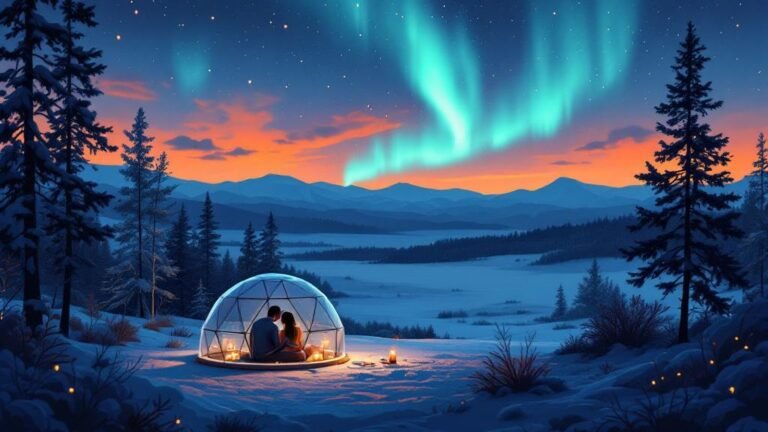
The village has more safari operators than Inari, covering the full range: husky safaris, snowmobile tours, reindeer visits, and northern lights excursions. Holiday Club Saariselkä is Europe’s northernmost spa hotel. Kakslauttanen Arctic Resort – the original glass igloo resort – is just outside the village, with glass igloos ranging from 250-990€ per night depending on season.
The infrastructure is the key advantage. You can walk between your hotel, restaurants, the ski slopes, and activity pickup points. There’s a K-Market for groceries. Equipment rental for cross-country skiing starts from 20€ per day. A downhill ski day pass is 53€ for adults. Everything is set up for visitors, and the logistics are simple.
The trade-off? Saariselkä feels built for tourists because it is. There’s no real village life underneath the resort infrastructure. In high season it can feel like a holiday park. That’s not necessarily bad – it depends on what you want.
Inari: the cultural heart
Inari is where Finland’s Sámi culture is headquartered. The Sámi Parliament sits here. Siida, the national museum of the Sámi people and Northern Lapland nature centre, is one of the best museums in Finland – and genuinely worth a visit even if museums aren’t usually your thing. This is where you learn the story of a people who’ve been here for thousands of years.
Lake Inari (Inarijärvi) is Finland’s third-largest lake – over 1,000 km² of water dotted with more than 3,000 islands. In winter it freezes into an enormous white plain. In summer it’s a landscape of endless light reflecting off water. The lake defines the place.
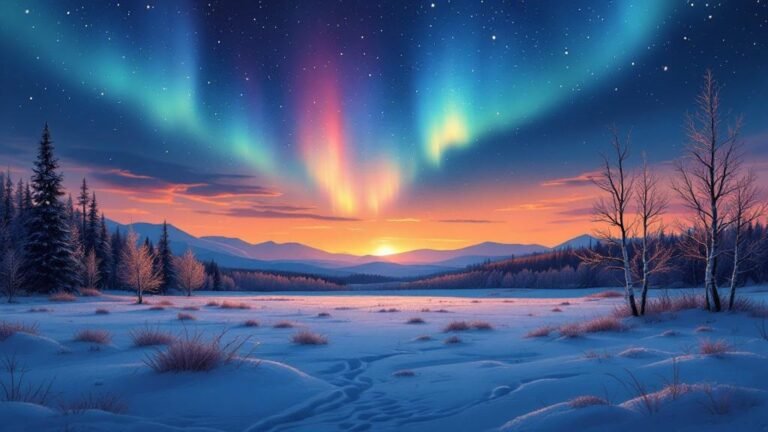
For aurora viewing, Inari has a clear advantage. The village is smaller, the light pollution is minimal, and you’re further north than Saariselkä. Specialist aurora operators like Aurora Service (consistently top-rated on TripAdvisor for years) are based here. If seeing the northern lights is the primary reason for your trip, Inari is the better base.
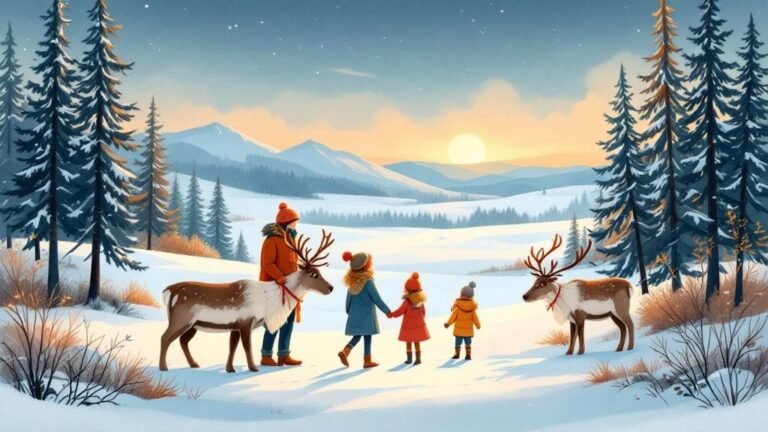
Reindeer culture here is authentic, not performed. Operators like Paadar, a Sámi family farm, offer experiences rooted in real herding tradition. You’re not visiting a “reindeer park” – you’re meeting people who do this for a living.
The trade-off? Inari has fewer activity operators, fewer restaurants, and fewer accommodation options. There’s no ski resort. It’s quiet – sometimes very quiet. If you want a packed itinerary of different activities every day, you’ll find Saariselkä easier to organise.
Who should pick which?
Choose Saariselkä if you…
- Want a full menu of activities – skiing, husky safaris, snowmobiles, reindeer – all within walking distance
- Are travelling with kids who need structure and easy logistics
- Want to ski (downhill or cross-country)
- Prefer having several restaurant options and a spa hotel
- Dream of a glass igloo night at Kakslauttanen or Star Arctic Hotel
Choose Inari if you…
- Came for the northern lights and want the darkest skies possible
- Are interested in Sámi culture – Siida museum, Sámi artisans, authentic reindeer herding
- Are a couple looking for a quiet, intimate trip rather than a resort atmosphere
- Want Lake Inari – ice fishing in winter, boat trips in summer
- Prefer authenticity over convenience
Book a Saariselka bed
- Kakslauttanen Arctic Resort: the original glass igloos
- Star Arctic Hotel: glass cabins on the Kaunispaa fell top above Saariselka
Why not both? They’re an hour apart
This is the approach that makes the most sense and the one most first-timers overlook. Saariselkä and Inari are about 70 km apart on the E75, a straight, well-maintained road that takes about an hour to drive. With a rental car, you can base yourself in one and visit the other as easily as driving across a city.
Practical ways to split it:
- Base in Saariselkä, day-trip to Inari. Do your activities and skiing from Saariselkä, then drive to Inari for Siida, a Sámi reindeer experience, and an evening of aurora watching by the lake.
- Base in Inari, day-trip to Saariselkä. Enjoy the quiet and the dark skies at night, then head to Saariselkä for skiing or a safari when you want action.
- Split your stay. Book a few nights in each. Start in Saariselkä for the activities, move to Inari for the culture and calm.
Without a car, the connection is less convenient. There’s a bus between the two, but it runs infrequently – typically once or twice daily. Most activity operators in both villages offer hotel pickup, which helps. But if you’re planning to move between the two regularly, a rental car changes everything. Economy rentals run 60-90€ per day, with studded winter tyres included. Prices are from the 2025-26 season; 2026-27 rates are being published through the autumn, so check current rates before booking.
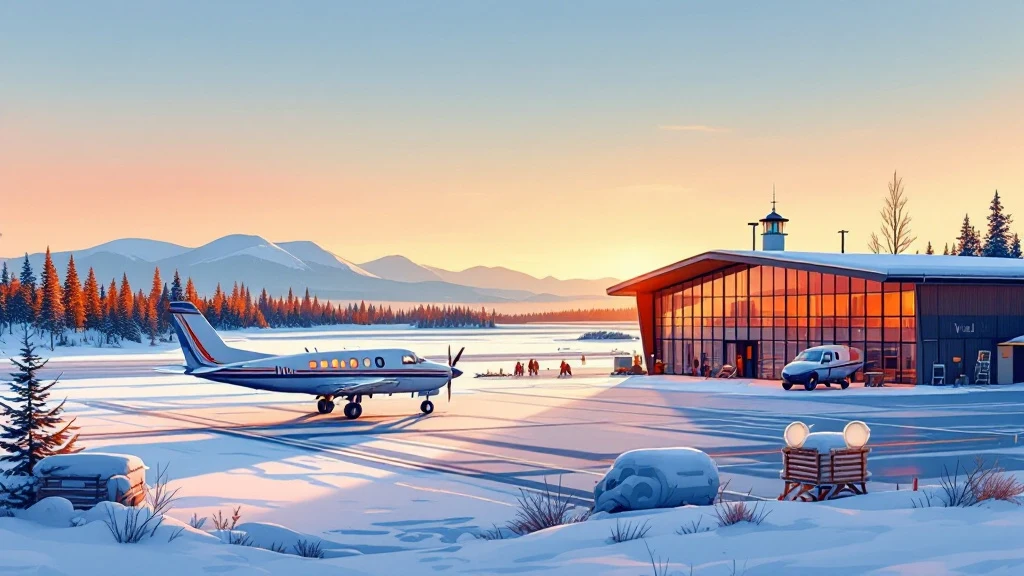
Getting there: Ivalo airport
Both Saariselkä and Inari use Ivalo Airport (IVL). Finnair flies daily from Helsinki, with flights taking about 1 hour 45 minutes and costing 200-300€ return. It’s the smallest of the three main Lapland airports, but it’s the only option for this far north.
From Ivalo, Saariselkä is 25 km south and Inari is 40 km north. Most hotels arrange airport transfers, and there are bus connections timed to flights. If you’re renting a car – and for this area, you probably should – the airport has desks from the main providers.
From the UK and elsewhere in Europe, you’ll connect through Helsinki. There are occasional seasonal charter flights to Ivalo in winter, but the scheduled Finnair service via Helsinki is the reliable year-round option.
Frequently Asked Questions
Can you visit both Saariselkä and Inari in one trip?
Easily. They’re about 70 km apart, roughly an hour by car. Many visitors base in one and day-trip to the other, or split their accommodation between the two. A rental car makes this effortless; without one, you’re reliant on infrequent bus connections.
Which is better for the northern lights – Saariselkä or Inari?
Inari wins for aurora. It’s smaller with less light pollution, and the lakeshore provides wide-open views of the northern sky. Saariselkä is also good – you’re at the same latitude – but the resort lighting makes it harder to watch from the village itself. In Inari, you can walk to darkness in minutes.
Is Saariselkä too touristy?
It’s a resort village, so yes – it’s designed for visitors. But “touristy” in Lapland is nothing like the Algarve or Bali. Even at peak season, Saariselkä is small and manageable. The real wilderness of Urho Kekkonen National Park starts at the edge of the village, and most of the year it’s genuinely quiet.
Do I need a car in Saariselkä or Inari?
You can manage in either village without a car – they’re small enough to walk, and most operators offer hotel pickup. But if you want to visit both, aurora-hunt at remote spots, or explore Lake Inari and the national parks, a rental car is strongly recommended. Winter driving in Lapland is with studded tyres.
Best Booking Resources for Lapland
These are the booking tools I keep coming back to. They consistently offer the best prices, the most relevant options for northern Finland, and actually work well for Lapland-specific searches, which not all platforms do.
- Kiwi.com: The best source for finding flights and airport connections. I have noticed they find flight connections that other search engines miss.
- Booking.com: I almost always use them for booking hotels and apartments (and occasionally flights). They have the best filters and I like the user-friendly interface.
- Hotels.com: The most popular hotel booking platform in many countries, US included.
- Get Your Guide: A massive selection of tours and excursions, including aurora tours, husky rides, reindeer experiences and more!
- EconomyBookings: Want to explore Lapland or chase auroras yourself? They pool together the best offers from car rental operators for your convenience.
- yesim: Need a local SIM for Lapland? A stress-free holiday nowadays (unfortunately) might start from a good connection, so get an eSIM with unlimited or prepaid data.
- Ekta Traveling: Not interested in checking out the Finnish public health care system on your holiday? Didn’t think so 🙂 Good insurance gets that stress out of the way.
As an Amazon Associate I earn from qualifying purchases. Booking through these links costs you nothing extra and helps keep these guides free and up to date. Thank you!

Planning a Lapland trip?
Ask a Finn. The Lapland Trip Planning: Finland group is where readers compare dates, resorts and real prices for the coming winter.
Join the planning groupFollow on FacebookFollow on Pinterest