Lapland in January: The Darkest (and Most Magical) Month
Updated 17 September 2026.
Some links on this page are affiliate links. If you book through them, I earn a small commission at no extra cost to you. I only recommend services I genuinely trust for Lapland travel.
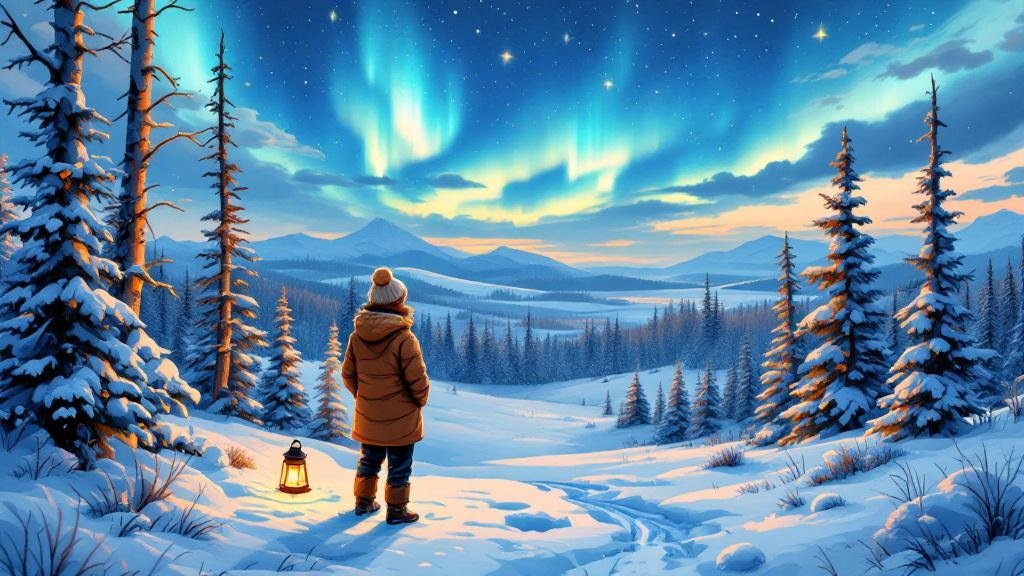
January is the coldest month in Lapland. The sun barely clears the horizon – or doesn’t appear at all in the far north. Snow depths reach 50cm and temperatures sit around −17°C (1°F) at night, dropping to −35°C during cold snaps. And yet January is quietly one of the best months to visit. Most tourists have gone home after Christmas. The snow is perfect. The northern lights are out almost every clear night. And prices are meaningfully lower than December.
If you can handle the cold – and you can, more on that below – January rewards you with Lapland at its most elemental.
Weather in January: What to Actually Expect
Average highs sit around −8°C during the brief midday window. Nights drop to −17°C on average, though cold snaps to −35°C are not uncommon, and the record low for Finnish Lapland is −49.5°C (set in 1999). That number sounds alarming. It isn’t the norm.
The thing most visitors don’t understand until they’re standing in it: dry Arctic cold feels completely different from the damp cold of London or New York. At −25°C (−13°F) with still air, you’re cold, but you’re not suffering. A windy, wet 0°C day in the UK is genuinely more miserable. The air here has no moisture to cut through you. Activity operators provide full thermal oversuits for outdoor excursions – you won’t be standing around in your own coat.
Snow depth in January averages around 50cm – enough for all winter activities to run reliably. Precipitation is low at around 35mm for the month, mostly falling as snow. The landscape is consistent white.
Daylight Hours and Kaamos
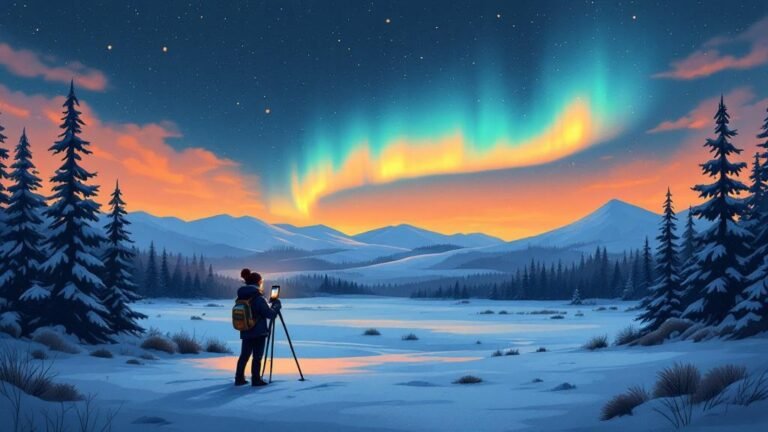
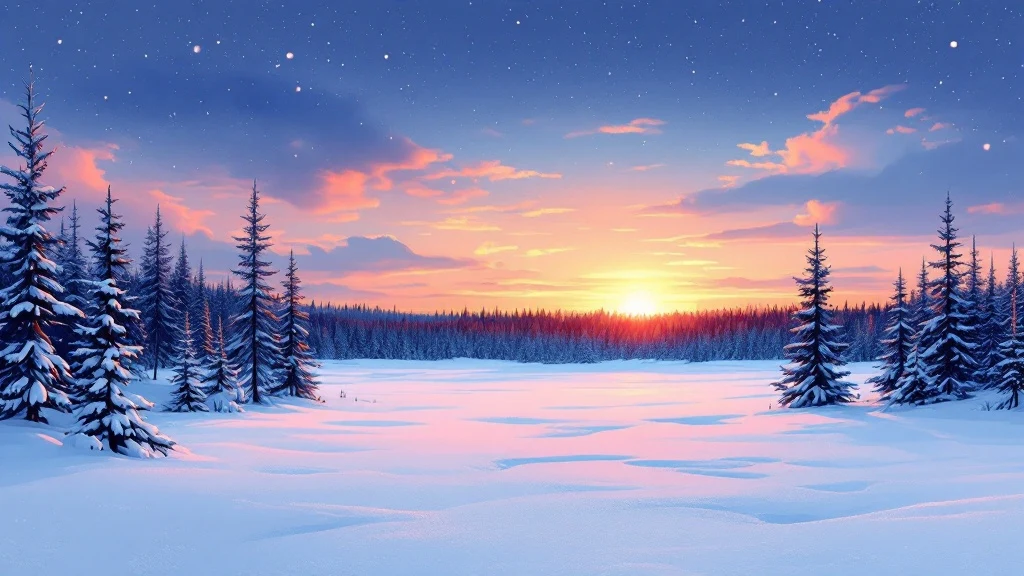
January is the tail end of kaamos – the polar night, when the sun doesn’t rise above the horizon. In Rovaniemi, kaamos ends around 12 January. That first sunrise after weeks of darkness is genuinely something locals mark. The sky turns extraordinary colours – deep orange and pink bleeding into blue – even though the sun itself only clears the treeline for a short time.
At the start of January, Rovaniemi gets essentially no direct sunlight – around half an hour of dim twilight around midday. By the 15th, you’re at about 1.5 hours of actual daylight. By the 31st, that’s grown to nearly 4.75 hours. It increases quickly once it starts.
| Date | Sunrise | Sunset | Daylight |
|---|---|---|---|
| 1 January | Polar night | — | ~0 hrs |
| 15 January | 11:41 | 13:12 | ~1.5 hrs |
| 31 January | 10:09 | 14:53 | ~4.75 hrs |
Further north – Inari, Saariselkä – polar night lasts longer. If you want to experience kaamos in its full depth, go north. If the darkness sounds like too much, Rovaniemi in late January gives you enough light to feel grounded while still delivering long, dark aurora-hunting nights.
The limited daylight isn’t a problem in practice. Most activities – husky safaris, snowmobile tours, reindeer visits – run in the blue twilight hours and are actually more atmospheric for it. You adapt faster than you expect.
Northern Lights in January
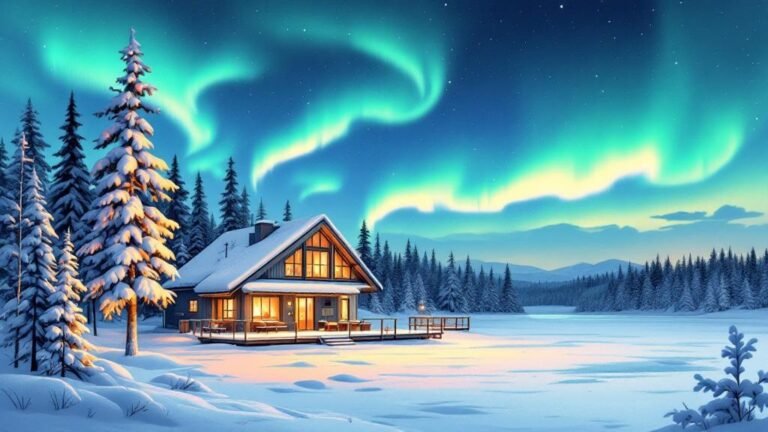
January is one of the best aurora months of the year. Up to 20 hours of darkness every day means the sky is dark from mid-afternoon to well into the morning. The aurora needs a KP index of only 2 to be visible from Finnish Lapland – active conditions, which happen regularly, push it well above that.
The main obstacle is cloud cover. On average, 50–60% of nights in January are cloudy. That means roughly half your nights have a genuine shot at aurora – if you’re there for four or five nights, odds are good you’ll see something. The approach that works best is staying flexible: check the FMI aurora forecast each evening and be ready to go out at short notice. The lights often appear between 10pm and 2am but can show any time after dark.
A guided aurora tour – operators like Arctic GM (199€, max 8 guests), Book Lapland (from 145€, 100% refund if no aurora), or Wild About Lapland (from 209€) – adds real value in January. Guides chase clear sky patches by driving to locations away from cloud cover. Small-group tours run 4–6 hours. Private tours start from 250€+.
If you prefer to go independently, any open field, frozen lake, or clearing away from artificial light works fine. Aurora hunting doesn’t require a guide – it requires patience, warm layers, and an app that tracks cloud cover and KP activity.

What to Do in January
Every major winter activity is running at full capacity in January. Snow conditions are reliable, dogs are fit and keen, snowmobile trails are established. Here’s what’s available and what it costs.
Prices are from the 2025-26 season; 2026-27 rates are being published through the autumn, so check operator websites or booking platforms for current rates.
Husky Safari
A 30-minute musher-driven ride near Rovaniemi costs from about 60€. Self-driven safaris – where you stand on the back of the sled and drive your own team – are more satisfying: a 2km self-driven run including kennel visit runs from about 160€, a 5km route is 145€, and 10km (at Levi) is 195€. Half-day options with lunch run around 200 to 250€.
For something genuinely different, multi-day husky expeditions through Enontekiö wilderness with Hetta Huskies cover 45–200km over 2–5 days. Two-day trips cost 600–830€ per person, three days run 1250–1350€, and five days is 1875€ – all ground-only, with pre/post accommodation adding 100–200€. Children from 435€ (seated in the sled). These book out well in advance for January.
In Rovaniemi, Bearhill Husky has a strong ethical reputation. Harriniva in Muonio runs one of the largest farms in Lapland with 400+ dogs.
Snowmobile Safari
A 2-hour shared snowmobile tour (passenger sled) starts from 128€ with Safartica. Longer tours of 3 hours or more run from about 215€. If you want to drive your own machine rather than ride pillion, add a solo supplement of 60–65€. Self-liability insurance is 20€ extra and worth taking.
Lapland Safaris operates across multiple locations. In Muonio, Aurora eMotion runs electric snowmobile safaris – quieter and a different experience from the traditional machines.
Reindeer Farm Visit and Sleigh Ride
Short reindeer feeding visits start from 35€. A full farm visit with sleigh ride runs 125–139€ for adults, 85–95€ for children, depending on the operator. SieriPoro Safaris near Rovaniemi has been a herding family since the 1800s. In Inari, the Paadar family farm is Sámi-run and gives a genuinely different cultural dimension to the visit.
Skiing
Downhill ski pass prices in January: Levi, Ylläs, and Pyhä each charge 58€ for an adult day pass; Saariselkä is 53€. Children pay 35–36€. Under 6–7 ski free with an adult. January snow conditions are typically excellent – the resorts are well below capacity compared to February and school holidays.
Cross-country skiing trails are free. Ski rental costs 20–45€ per day depending on location – Saariselkä from 20€, Levi from 44€.
Ice Fishing
Under jokamiehenoikeus – Finland’s everyman’s right, which gives anyone the right to access nature and fish on most public waters – ice fishing with your own gear is free. Drill a hole, drop a line, sit in silence for several hours. Finns find this deeply satisfying. Guided trips including gear, campfire snacks, and hot drinks start from 89€ for three hours. Lake Inari, Finland’s third-largest lake, is a particularly good location.
Crowd Levels and Prices
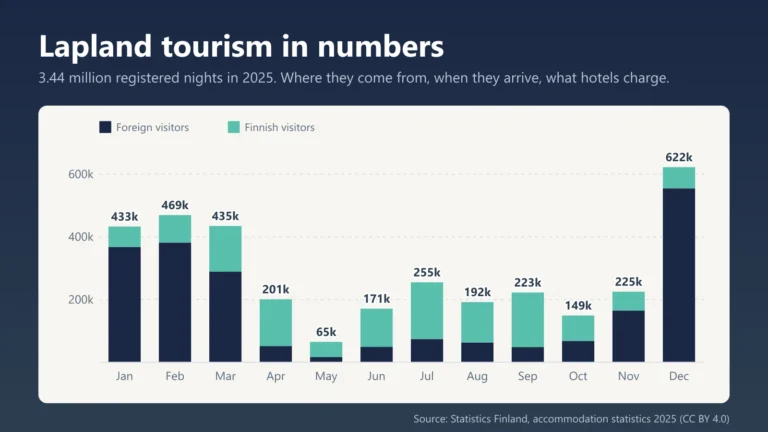
December is the expensive, busy month. Christmas and New Year drive prices up significantly and fill every flight and cabin. January is the reset.
After the first week – once the New Year period clears – January crowd levels drop noticeably. You’ll share husky kennels with fewer groups. Restaurant bookings are easier. The same landscape, the same snow, fewer tour buses.
The reset has a date, and it is sharper than “after the first week”. Arctic TreeHouse publishes a live rate calendar, and on it the same suite runs about 1,600€ a night in mid-December, holds around 1,300 to 1,400€ through the first days of January, and then drops to 903€ on 7 January — where it stays for the rest of the month. That is not a gentle decline. It is a 40 per cent cut on a fixed date, and every property in Lapland has its own version of it.
The practical consequence: a trip built around 7 to 20 January gets you the deepest cold, the darkest skies of the winter and near-empty kennels, at close to half what the same room costs three weeks earlier. If you can only move your dates by a fortnight, move them across that date rather than away from December in general.
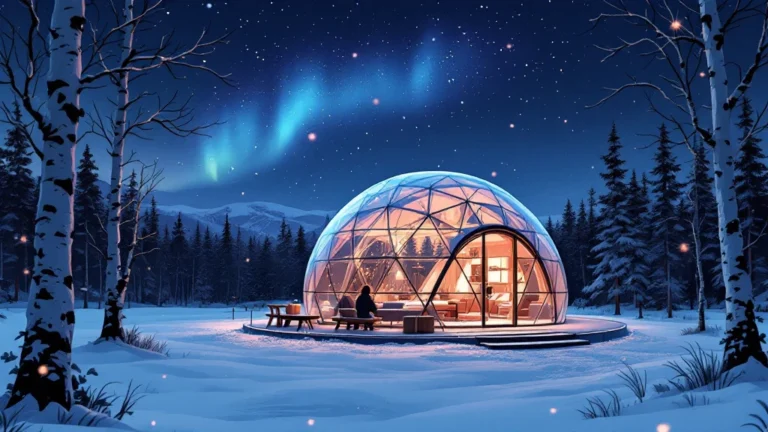
That said, January isn’t cheap by absolute standards. Accommodation runs roughly 80% above March, the cheapest winter month. Budget hotels sit at 80–130€ per night, mid-range at 130–250€. Cabins range from 55–120€ for budget options up to 300–600€+ for premium. Glass igloos run 609 to 970€ a night for two on a like-for-like January night, and the cheapest of them — the Northern Lights Village cabins at 609€ — include dinner as well as breakfast, which nothing else at that price does.
For flights from the UK, easyJet flies Gatwick to Rovaniemi with January fares at the cheaper end of the year: typically 110–250 GBP return. From elsewhere in Europe, most routes connect via Helsinki. Helsinki to Rovaniemi is 1.5 hours by air, typically 150–250€ return (advance deals from 100€ return). The overnight train from Helsinki departs around 18:00–19:00 and arrives 06:00–08:00 – sleeping cabin from 69€, with shower/WC cabins from 94€ (prices per cabin, not per person). It books out fast in winter.
Check January rates
Arctic TreeHouse Hotel: glass-walled design suites beside SantaPark, breakfast included
What to Pack for January Specifically
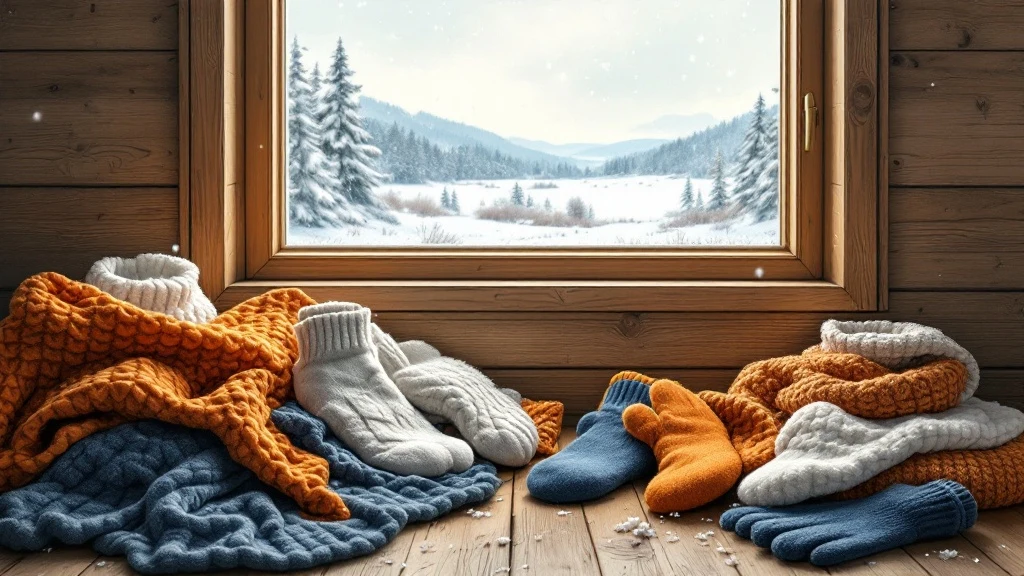
Activity operators provide thermal oversuits, boots, and gloves for outdoor excursions – you don’t need to arrive kitted out for an Arctic expedition just to do a husky safari. What you do need are the right base and mid layers for the time between activities.
The essentials for January specifically:
- Thermal base layers – merino wool, not cotton. Two sets minimum. Cotton holds moisture and makes you cold.
- Mid layer – a warm fleece or down jacket. This goes under the oversuit on activities, and works as your main jacket for short outdoor periods.
- Outer layer – windproof and waterproof. Not your city coat.
- Wool socks – at least three pairs. Your feet will thank you.
- Face protection – a balaclava or neck gaiter and a hat that covers your ears. At −25°C, exposed skin feels it quickly.
- Insulated gloves or mittens – mittens are warmer. Keep hand warmers in your pocket regardless.
- Winter boots rated to −30°C or lower – this is the item people underinvest in most.
- Sunglasses – January light is low and reflects off snow. Snow blindness is a real thing by late January when the sun returns.
One practical note: phone batteries die fast in extreme cold. Keep your phone in an inner chest pocket, not an outer pocket. A portable battery pack should live in your inside layer too.
January at a Glance
| Factor | January |
|---|---|
| Average high | −8°C |
| Average low | −17°C |
| Daylight (start of month) | Near zero (polar night) |
| Daylight (end of month) | ~4.75 hours |
| Aurora probability (clear night) | ~50% |
| Snow depth | ~50cm |
| Crowd level | Low–medium (post-Christmas) |
| Price vs March | About 80% higher |
| Activities available | All winter activities running |
Book the season’s headline activities
- Northern lights hunt from Rovaniemi: small groups chasing clear skies, free cancellation
- Husky safari in Rovaniemi: small-group tours, free cancellation, instant confirmation
Frequently Asked Questions
Is January too cold to visit Lapland?
Not if you dress appropriately and take the indoor-outdoor rhythm seriously. The dry Arctic air at −20°C genuinely feels less brutal than a wet, windy 0°C in Western Europe. Activity operators provide thermal oversuits for excursions. The cold becomes part of the experience – the sauna at the end of the day feels earned in a way it doesn’t in summer.
Can you see the northern lights in January?
January is one of the best aurora months precisely because of the near-total darkness. Up to 20 hours of dark sky gives the lights a long window to appear. The catch is cloud cover – roughly half of January nights are cloudy. Stay at least four nights and be prepared to head out late. The FMI aurora forecast is the tool to check each evening.
When does polar night end in Rovaniemi?
Kaamos ends around 12 January in Rovaniemi – that’s the first day the sun actually clears the horizon. Locals genuinely mark the occasion. After that, daylight grows quickly: you go from under 2 hours in mid-January to nearly 5 hours by the end of the month. Further north, polar night lasts longer.
Is January cheaper than December for Lapland?
Yes, meaningfully so. After the first week of January (the New Year period), crowds drop and accommodation prices fall back from Christmas peak levels. You’re still paying roughly 80% more than in March, but the same activities and landscapes cost noticeably less than in December, and the aurora hunting is equally good.
What activities are available in January?
Everything. Husky safaris, snowmobile tours, reindeer farm visits, cross-country and downhill skiing, ice fishing, and aurora tours all run at full capacity throughout January. Snow conditions are reliable and operators are well into their season. The only thing you don’t have is long daylight hours – activities run in the blue twilight and after dark, which is often more atmospheric anyway.
Best Booking Resources for Lapland
These are the booking tools I keep coming back to. They consistently offer the best prices, the most relevant options for northern Finland, and actually work well for Lapland-specific searches, which not all platforms do.
- Kiwi.com: The best source for finding flights and airport connections. I have noticed they find flight connections that other search engines miss.
- Booking.com: I almost always use them for booking hotels and apartments (and occasionally flights). They have the best filters and I like the user-friendly interface.
- Hotels.com: The most popular hotel booking platform in many countries, US included.
- Get Your Guide: A massive selection of tours and excursions, including aurora tours, husky rides, reindeer experiences and more!
- EconomyBookings: Want to explore Lapland or chase auroras yourself? They pool together the best offers from car rental operators for your convenience.
- yesim: Need a local SIM for Lapland? A stress-free holiday nowadays (unfortunately) might start from a good connection, so get an eSIM with unlimited or prepaid data.
- Ekta Traveling: Not interested in checking out the Finnish public health care system on your holiday? Didn’t think so 🙂 Good insurance gets that stress out of the way.
As an Amazon Associate I earn from qualifying purchases. Booking through these links costs you nothing extra and helps keep these guides free and up to date. Thank you!
Planning a Lapland trip?
Ask a Finn. The Lapland Trip Planning: Finland group is where readers compare dates, resorts and real prices for the coming winter.
Join the planning groupFollow on FacebookFollow on Pinterest