Is Lapland Safe? (Spoiler: Extremely)
Updated 10 September 2026.
Some links on this page are affiliate links. If you book through them, I earn a small commission at no extra cost to you. I only recommend services I genuinely trust for Lapland travel.
Finland has been ranked the safest country in the world for years running, and Lapland is the safest part of Finland. The honest truth? The things most likely to cause you trouble aren’t criminals or wild animals – they’re ice on pavements, cold batteries, and reindeer standing in the middle of the road at dusk. That’s genuinely the extent of the danger list.
If you’re wondering whether Lapland is safe for families, solo travellers, or first-timers – yes. Unambiguously yes. But there are a few practical things worth knowing so you can avoid the minor hazards that do exist.
Crime: Essentially a Non-Issue
Finland consistently ranks at or near the top of global safety indexes, and Lapland has even lower crime rates than the national average. Small communities, vast distances, and very few people per square kilometre make for an extremely low-crime environment. Violent crime against tourists is virtually unheard of.
You can leave your bag at a restaurant table while you get coffee. You can walk alone at any hour. Women travelling solo report feeling completely safe. This isn’t naive advice – it’s just how Lapland works. The biggest “theft risk” is probably leaving your gloves at a restaurant, and even then, someone will likely hand them to the staff.
That said, use basic common sense in busier tourist areas like Rovaniemi during Christmas peak season, where larger crowds attract the same opportunistic pickpocketing that exists in any popular European destination. But even this is rare.
Cold Weather Safety
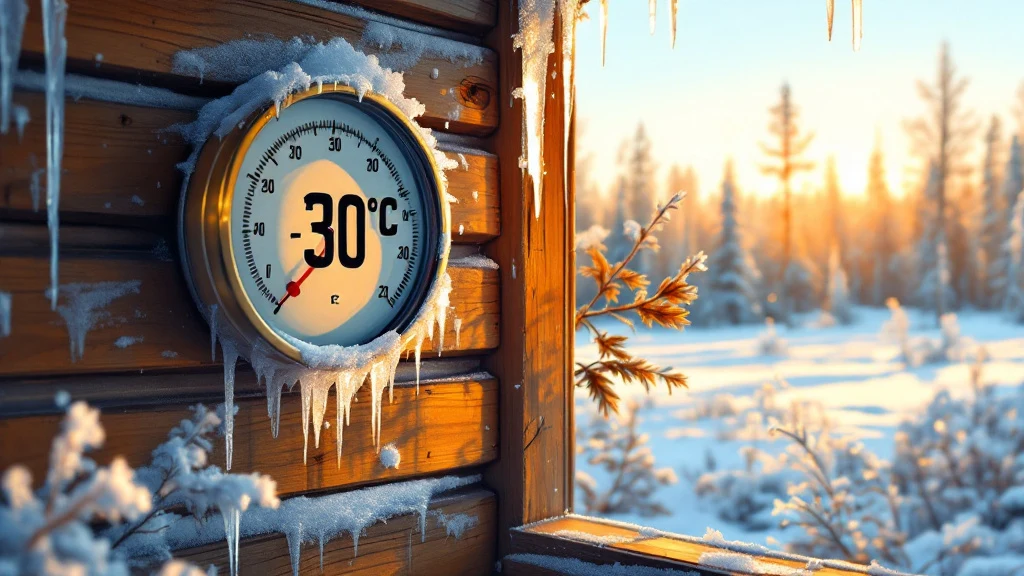
The cold is the one thing that genuinely deserves respect. Winter temperatures regularly drop to −25°C (−13°F), and cold snaps to −35°C are not uncommon. But here’s what most people don’t realise: Lapland’s dry Arctic air feels significantly less harsh than a wet, windy 0°C day in London or Chicago. The air is still, there’s no wind chill cutting through you, and you adjust faster than you’d expect.
The real risks from cold are specific and preventable:
- Frostbite – exposed skin at −25°C and below. Cover your cheeks, nose, and ears. If skin turns white and waxy, get indoors and warm it gently (not with hot water).
- Phone batteries – lithium batteries die fast in extreme cold. Keep your phone inside your jacket, against your body. A dead phone in remote areas means no navigation and no emergency calls.
- Alcohol and cold – drinking lowers your core temperature and impairs judgement about how cold you are. The classic danger scenario: someone has a few drinks, walks back to their cabin, underestimates the cold, and gets into trouble. Keep outdoor alcohol consumption sensible.
- Overdressing indoors – Finnish buildings are heated to 20-22°C. Wear layers you can strip off quickly. Sweating in your thermal base layer and then going outside wet is worse than being slightly cold.
Activity operators provide thermal oversuits, boots, gloves, and balaclavas for all winter safaris. You won’t need to buy specialist gear for organised activities – just dress warmly for the transfer and let them layer you up.
Road Safety and Driving
Lapland’s roads are well-maintained, even in winter. Finnish road crews are excellent, and main routes are ploughed and gritted regularly. But winter driving here is fundamentally different from driving in most of Europe or North America.
Key things to know:
- Studded winter tyres are mandatory from November to April (sometimes earlier if conditions demand). All rental cars come with them fitted – you don’t need to request them.
- Black ice – the road can look clear and be completely iced over. Drive below the speed limit until you’ve calibrated your confidence.
- Reindeer on roads – this is not a joke or a cute anecdote. Reindeer roam freely across Lapland and they do not care about your car. They stand in the road. They walk in the road. They will stare at your headlights and not move. Slow down, especially at dawn and dusk. If you see one reindeer, expect more – they travel in groups.
- Darkness – in December and January, you’ll be driving in near-total darkness for most of the day. Use your headlights, reduce speed, and take breaks. White-out conditions during snowfall can reduce visibility to almost nothing.
- Distance between services – petrol stations and rest stops are spread far apart on northern routes. Don’t let your tank drop below half.
If you’re not confident driving in winter conditions, that’s perfectly fine. Bus connections link all major resort towns, and activity operators offer hotel pickup for most safaris.
Wildlife: Reindeer and Bears
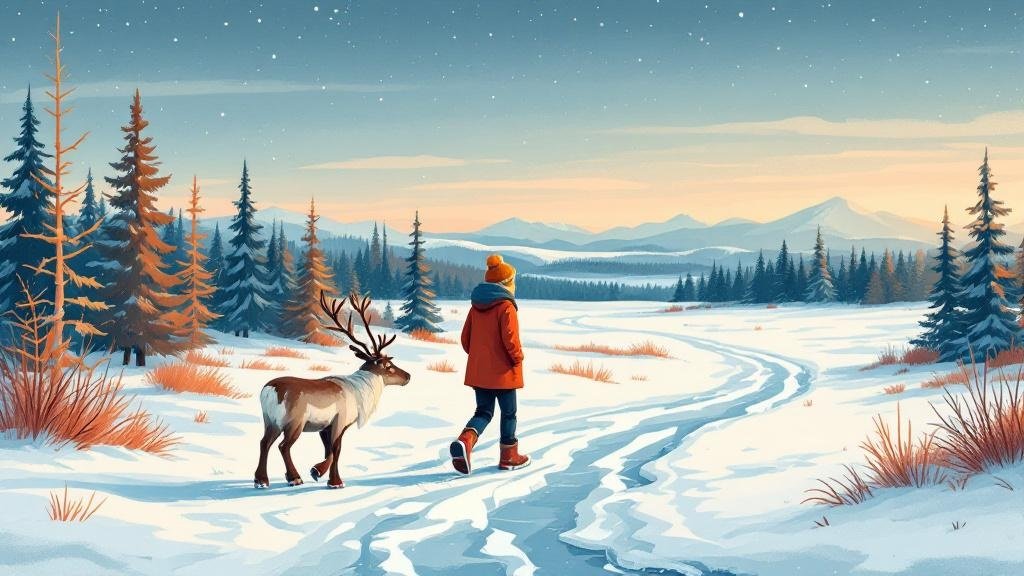
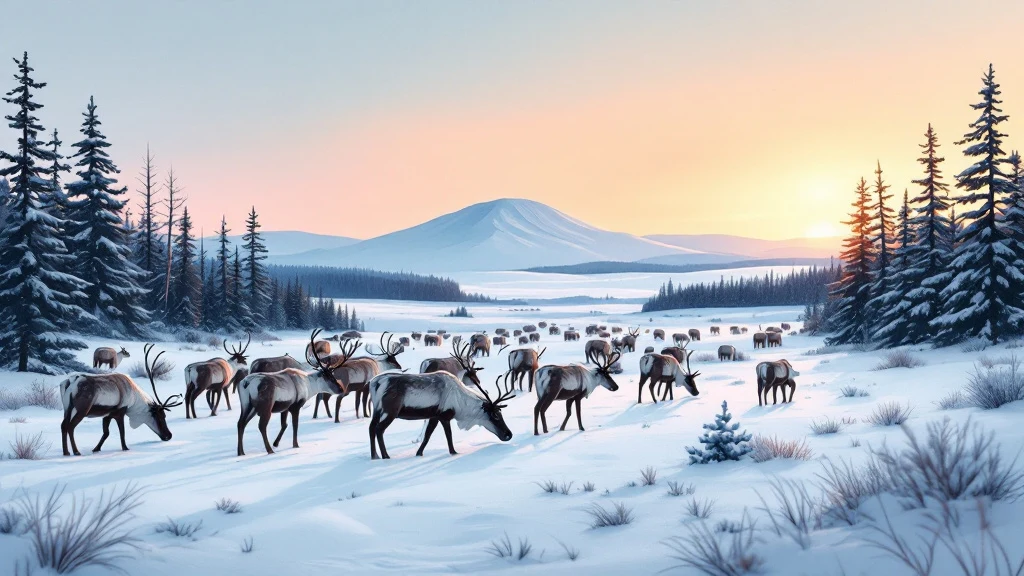
Reindeer are everywhere. They’re semi-domesticated – all reindeer in Finland are owned by herders – but they roam freely across the landscape. They’re not aggressive. The only danger they pose is on the road (see above). If you hit a reindeer with a car, you’re legally required to report it to the emergency number 112.
Brown bears do live in Finnish Lapland, primarily in the eastern border areas. In summer, the population is active and theoretically you could encounter one while hiking. In practice, bear attacks on humans in Finland are essentially unheard of. Bears are shy and avoid people. They’ll hear you coming long before you see them, and they’ll leave. Making noise on the trail – talking, clapping – is enough. You don’t need bear spray, bear bells, or special precautions beyond basic awareness.
Wolves and wolverines also exist in very small numbers. Your chances of seeing either are close to zero. They avoid humans completely.
In summer, the most aggressive wildlife you’ll encounter is mosquitoes. From mid-June through July they are genuinely terrible – bring repellent and consider a head net for hiking. They’re not dangerous, just relentless.
Activity Safety
Organised activities in Lapland – husky safaris, snowmobile tours, reindeer rides, aurora excursions – are tightly regulated and run by experienced operators. Finnish safety standards are high, and guides take them seriously. You’ll get a safety briefing before every activity, and operators provide all necessary equipment.
Snowmobile safaris are the only activity where injuries occasionally happen, almost always because someone drives too fast or ignores the guide’s instructions. You’ll need a valid driving licence (physical card, not a phone image) and must be 18+ to drive. Self-liability insurance costs around 20€ extra and is worth taking – the excess without it can be steep if you damage the machine.
For self-guided winter activities like cross-country skiing or snowshoeing, let someone know your route and expected return time. Mobile signal covers resort areas and main roads but gets patchy in the backcountry. Ice on lakes is generally thick and safe from January to April, but never venture onto ice early or late in the season without local advice.
Emergency Numbers and Healthcare
The emergency number is 112 – the same across the entire EU. Operators speak English. Use it for police, fire, ambulance, and search and rescue. For non-emergency police matters, the number is 0295 419 800.
Finnish healthcare is excellent. Hospitals in Rovaniemi and other larger towns are well-equipped, and health centres (terveyskeskus) exist in smaller resort towns. The practical challenge is distance – if you’re in a remote area, the nearest medical facility might be a long drive away. Helicopter rescue exists for serious emergencies in the backcountry.
Pharmacies (Apteekki) are well-stocked and pharmacists speak English. You’ll find them in all resort towns. Common medications are available over the counter, though some things that are OTC in the UK or US may require a prescription in Finland.
For UK visitors: your UK Global Health Insurance Card (GHIC, which replaced the EHIC) entitles you to state-provided healthcare in Finland at the same cost as Finnish residents. This is not free – Finland charges patient fees – and it doesn’t cover repatriation or private treatment. Travel insurance is still essential.
For US visitors: Finland is not covered by any US government health programme. You will pay full cost without travel insurance, and Finnish medical costs, while reasonable by US standards, add up fast. Get proper travel insurance with medical coverage.
Finland is in the Schengen Area, so UK citizens don’t need a visa for stays up to 90 days. US citizens also get 90 days visa-free. No special entry requirements for Lapland beyond what applies to Finland generally.
Quick Safety Reference
| Concern | Risk Level | What To Do |
|---|---|---|
| Crime | ★☆☆☆☆ | Basic common sense. No special precautions needed. |
| Slipping on ice | ★★★★☆ | Buy ice grips (liukuesteet). Walk like a penguin – short, flat steps. |
| Cold / frostbite | ★★★☆☆ | Layer up, cover exposed skin, keep phone warm. |
| Reindeer on roads | ★★★☆☆ | Drive slowly, especially at dusk. Expect groups. |
| Bears (summer) | ★☆☆☆☆ | Make noise on trails. Store food properly. No panic needed. |
| Snowmobile accidents | ★★☆☆☆ | Follow the guide. Don’t speed. Take self-liability insurance. |
| Remote areas (mobile signal) | ★★☆☆☆ | Tell someone your route. Download offline maps. Carry a charged power bank. |
Frequently Asked Questions
Is Lapland safe for solo travellers?
Very safe. Finland regularly ranks as the safest country in the world, and Lapland’s low population and close-knit communities make it even safer than southern Finland. Solo women travellers consistently report feeling completely comfortable, day and night. The main solo-specific concern is practical: if you’re hiking alone in remote areas, always tell your accommodation where you’re going.
What’s the emergency number in Finland?
112 – it works for all emergencies (police, ambulance, fire, rescue) and operators speak English. Download the 112 Suomi app, which sends your GPS location automatically when you call. For non-emergency police, use 0295 419 800.
Are there dangerous animals in Lapland?
No, not in any practical sense. Brown bears exist in summer but actively avoid humans – attacks are essentially unheard of in Finland. Reindeer are the only animal you’ll regularly encounter, and the only danger they pose is on the road. The most physically unpleasant wildlife is mosquitoes in June and July.
Do I need travel insurance for Lapland?
Yes, strongly recommended for everyone. UK visitors have some coverage through the GHIC card, but it doesn’t cover repatriation, cancellations, or the full cost of private treatment. US visitors have no government health coverage in Finland at all. Winter activity injuries, flight cancellations, and lost luggage are the most common claims.
Is it safe to drive in Lapland in winter?
Yes, provided you respect the conditions. All rental cars come with mandatory studded winter tyres. Roads are well-maintained and ploughed regularly. The main hazards are black ice, reindeer, and reduced visibility in darkness or snowfall. If you’re not used to winter driving, reduce your speed significantly and avoid driving in heavy snow. Buses connect all major resort towns if you’d rather not drive.
Best Booking Resources for Lapland
These are the booking tools I keep coming back to. They consistently offer the best prices, the most relevant options for northern Finland, and actually work well for Lapland-specific searches, which not all platforms do.
- Kiwi.com: The best source for finding flights and airport connections. I have noticed they find flight connections that other search engines miss.
- Booking.com: I almost always use them for booking hotels and apartments (and occasionally flights). They have the best filters and I like the user-friendly interface.
- Hotels.com: The most popular hotel booking platform in many countries, US included.
- Get Your Guide: A massive selection of tours and excursions, including aurora tours, husky rides, reindeer experiences and more!
- EconomyBookings: Want to explore Lapland or chase auroras yourself? They pool together the best offers from car rental operators for your convenience.
- yesim: Need a local SIM for Lapland? A stress-free holiday nowadays (unfortunately) might start from a good connection, so get an eSIM with unlimited or prepaid data.
- Ekta Traveling: Not interested in checking out the Finnish public health care system on your holiday? Didn’t think so 🙂 Good insurance gets that stress out of the way.
As an Amazon Associate I earn from qualifying purchases. Booking through these links costs you nothing extra and helps keep these guides free and up to date. Thank you!
Planning a Lapland trip?
Ask a Finn. The Lapland Trip Planning: Finland group is where readers compare dates, resorts and real prices for the coming winter.
Join the planning groupFollow on FacebookFollow on Pinterest