
Cross-Country Skiing in Lapland: Finland’s National Sport
Updated 10 September 2026.
Some links on this page are affiliate links. If you book through them, I earn a small commission at no extra cost to you. I only recommend services I genuinely trust for Lapland travel.
If you want to understand Finland, don’t go to a husky safari. Go cross-country skiing. This is the national sport – the thing Finns actually do in winter, not a tourist product packaged for Instagram. Every town in Lapland has groomed ski tracks winding through forests and over frozen lakes. They’re free. The gear costs almost nothing to rent.
And on a still March afternoon with the sun low over birch trees and nothing but the sound of your skis on packed snow, you’ll understand why Finns are quietly obsessed with this. Cross-country skiing in Lapland isn’t about speed or fitness (though it can be). It’s about getting into the landscape on your own terms. No guide, no schedule, no group of twelve tourists in matching overalls. Just you, a pair of skis, and hundreds of kilometres of maintained track called latu.
Classic vs Skating: Which Style to Choose
Cross-country skiing comes in two distinct styles, and understanding the difference matters before you rent gear.
Classic is what most people picture: skis in parallel grooves, a striding motion that’s essentially walking with extra glide. The tracks are pre-cut into the snow by grooming machines, so your skis slot in and you follow.
It’s intuitive. Most beginners can manage a few kilometres on their first outing. You’ll fall a couple of times on downhills. That’s normal.
Skating (sometimes called freestyle) looks more like ice skating – a V-shaped push on flat, groomed snow beside the classic tracks. It’s faster and more athletic, but also harder to learn. The technique requires balance and coordination that takes practice. If you’ve never been on cross-country skis before, start with classic. No question.
The practical difference at the rental shop: classic skis are longer and have a grip zone underfoot. Skating skis are shorter, stiffer, and fully smooth. Rental outfits at all Lapland resorts carry both styles. Just tell them you want classic if it’s your first time – they’ll set you up with the right skis, boots, and poles.
Trail Networks: Where to Ski
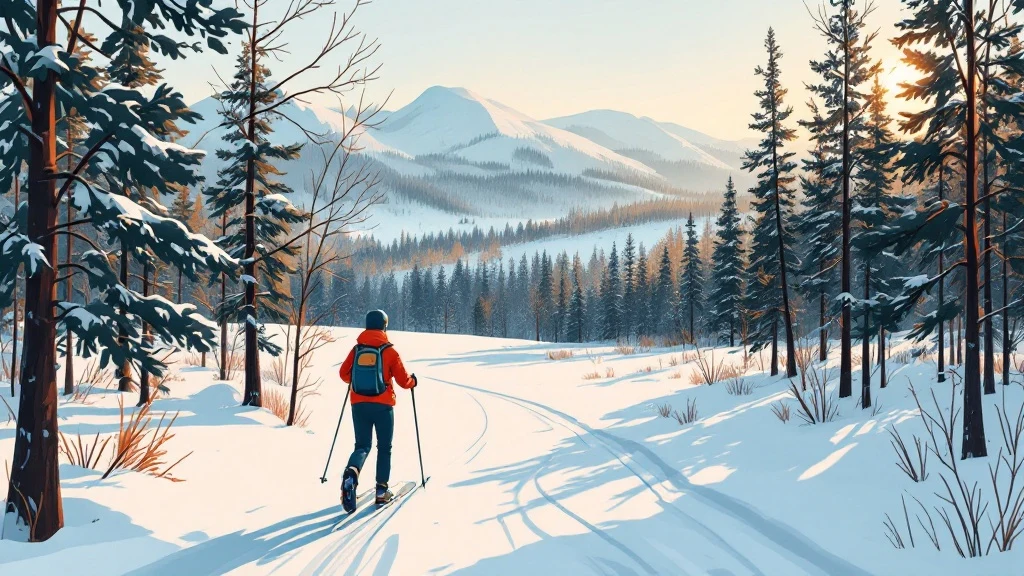
Lapland’s trail infrastructure is genuinely impressive. Every resort town maintains a network of groomed tracks through the surrounding forests, fells, and lakeshores. These are marked, mapped, and groomed daily during the main season. Many have sections with lighting for skiing in the dark polar winter months.
| Area | Groomed trails | Lit trails | Character |
|---|---|---|---|
| Levi | 230 km | 28 km | Extensive, groomed daily, good for all levels |
| Saariselkä | 200 km | 34 km | Connects to Urho Kekkonen National Park trails |
| Rovaniemi | 200 km | 50 km | Ounasvaara area, well-maintained, most lit trails |
| Muonio | 200 km | 30 km | Quieter, less crowded; Olos area is the hub |
| Enontekiö (Hetta) | Hundreds of km | 10 km | Jyppyrävaara loop in Hetta is the lit trail; wilderness routes extend into Pallas-Yllästunturi National Park |
Levi has the most polished network – 230 km of groomed tracks with good signage and warming huts along the way. It’s the obvious choice if you want variety and reliable conditions without much planning.
Saariselkä is interesting because its trails connect directly into Urho Kekkonen National Park. You can ski from the village into genuine wilderness. The 34 km of lit tracks also make it the best option if you’re visiting during the darker months of December or January.
Rovaniemi surprises people. The Ounasvaara area has 200 km of trails and the most lit skiing in Lapland at 50 km. It’s where Rovaniemi locals ski after work – a real Finnish urban skiing culture that most tourists never see because they’re busy at Santa Claus Village.
Muonio is the quiet choice. Fewer tourists, 150 km of trails, and the kind of silence that’s hard to find at the bigger resorts.
Enontekiö and the Hetta area are for those who want wilderness. The trails feed into Pallas-Yllästunturi National Park, which has some of the finest cross-country skiing in all of Finland. Multi-day ski treks between wilderness huts are possible here – though that’s for experienced skiers with proper preparation.
Free Trails vs Maintained Tracks
Here’s something that surprises visitors: nearly all cross-country trails in Lapland are free. The groomed latu networks maintained by municipalities and resorts don’t charge a fee. You just show up and ski. This is a fundamental part of Finnish outdoor culture – access to nature is a right, not a product.
The distinction worth knowing is between maintained tracks (groomed, marked, often lit) and backcountry routes (marked but not groomed). The maintained tracks near resort villages are where most people ski. They’re groomed by machine, usually daily during peak season, and the snow surface is excellent. Backcountry routes in national parks may only be packed by previous skiers and require more skill and fitness.
Some national park wilderness huts along longer routes charge a small fee or operate on a booking system, but the trails themselves are free. Ski trail maps are available at tourist information offices in every resort town, and most areas have their trail maps online as well.

Gear Rental
You don’t need to bring anything. Every resort village in Lapland has rental shops carrying cross-country gear. Prices are approximate and change each season – check locally for current rates.
A full rental setup – skis, boots, and poles – costs 25-40€ per day depending on the location and quality of equipment. Multi-day rentals bring the daily cost down. The gear is : boots click into bindings on the skis, poles should reach roughly to your armpits (for classic). The rental shop staff will size everything for you.
What you do need to bring or wear: proper winter layers. You’ll warm up fast once moving, so dress lighter than you would for standing around. A breathable base layer, a fleece mid-layer, and a wind-resistant outer shell works well. You’ll also want thin gloves (not bulky ski mittens) and sunglasses – the glare off snow in March is fierce.
Season and Conditions
Cross-country skiing season in Lapland runs from late November or December through to April, with March being the clear highlight. Here’s what each period offers:
| Period | Conditions | Daylight | Crowds |
|---|---|---|---|
| Dec–Jan | Good snow, very cold | Very limited (kaamos darkness) | Tourist high season, but trails are quiet |
| February | Excellent snow, still cold | Increasing noticeably | Moderate – Finnish school holidays |
| March | Peak snow depth, milder temps | Long days, generous sunlight | Finnish ski holiday season |
| April | Spring skiing, softer snow, warm sun | Very long days | Quiet, season winding down |
March is the best month. Full stop. The snow is at its deepest, daylight is generous, temperatures are manageable, and the sun reflecting off white landscapes creates that particular Lapland glow. This is when Finns take their own ski holidays. It’s also when trail grooming is at its most frequent because demand is highest.
December and January work fine if you’re visiting for other reasons (aurora, Christmas) and want to add some skiing. But you’ll be skiing in darkness or twilight much of the time – that’s where the lit trails earn their value. It’s genuinely cold, so shorter outings make sense and exposed skin needs protection.
April offers a unique experience: spring skiing in t-shirt weather, when the sun is warm but the snow hasn’t melted yet. Trails are softer in the afternoon, so mornings are best. Some tracks close in late April as conditions deteriorate.
Best Areas for Different Types of Skiers
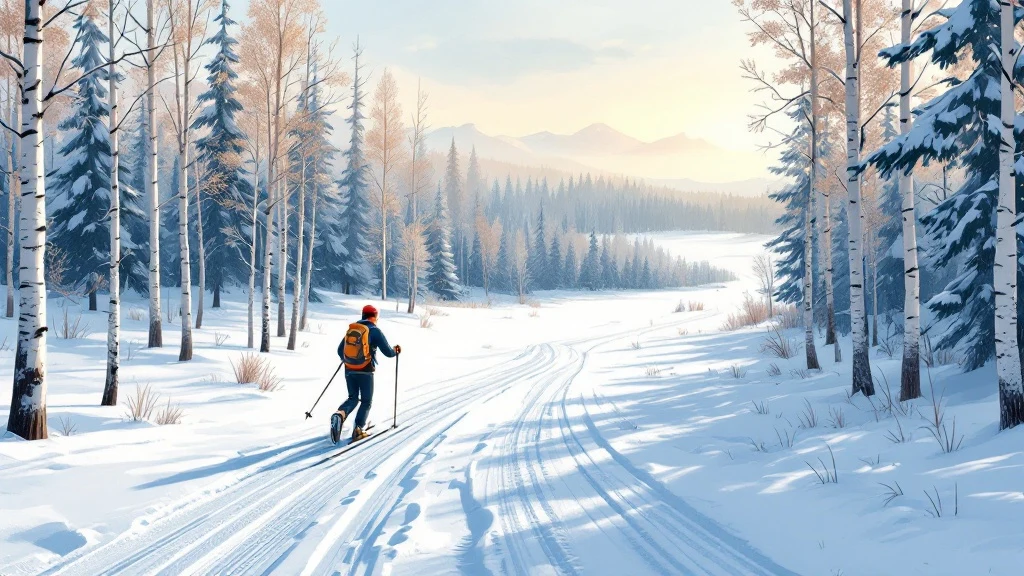
First-timers: Levi or Rovaniemi. Both have well-groomed flat trails, easy rental access, and enough infrastructure that you won’t feel stranded. A lesson or guided introduction of a couple of hours is available at both if you want instruction.
Intermediate skiers wanting distance: Saariselkä. The trails extending into Urho Kekkonen National Park give you the option to ski long routes through wilderness without needing backcountry experience – the marked trails are well-maintained.
Experienced skiers seeking solitude: Muonio or Enontekiö. Fewer tourists, longer wilderness routes, and the kind of empty landscape that makes Lapland feel genuinely remote. The Pallas-Yllästunturi National Park trails from the Hetta side of Enontekiö are particularly rewarding.
Book skiing and rental
Cross-country skiing near Rovaniemi: guided outings and rental on Finland’s national sport
Frequently Asked Questions
Do I need lessons to cross-country ski in Lapland?
Not necessarily. Classic style is intuitive enough that most people manage on their own after a few minutes. That said, a short lesson dramatically improves your technique and efficiency – you’ll enjoy it more and tire less quickly. Ask at your rental shop about guided introductions.
Are cross-country ski trails in Lapland free?
Yes. The groomed latu networks maintained by municipalities and resorts are free to use. This applies to all the major resort areas including Levi, Saariselkä, Rovaniemi, and Muonio. The only costs are gear rental if you don’t bring your own.
What’s the difference between cross-country skiing and downhill skiing in Lapland?
Cross-country is done on flat or gently rolling terrain using your own power – it’s essentially skiing through the landscape. Downhill (alpine) skiing is on fell slopes with lifts. Cross-country is far cheaper (free trails, inexpensive rental) and gives you access to forests, lakes, and wilderness rather than ski slopes. Most Finns prefer cross-country.
Can children cross-country ski in Lapland?
Absolutely. Finnish children start skiing almost as soon as they can walk. Rental shops carry children’s sizes, and the flat maintained trails near resort villages are ideal for families. Kids tend to have better balance than adults and pick it up surprisingly fast. Stick to shorter loops of a few kilometres at first.
Cross-country skiing is the most Finnish thing you can do in Lapland. It costs almost nothing, takes you to places no tour bus reaches, and gives you a feeling of freedom that’s hard to replicate with any organised activity. Rent the gear, find a trail, and go.
Best Booking Resources for Lapland
These are the booking tools I keep coming back to. They consistently offer the best prices, the most relevant options for northern Finland, and actually work well for Lapland-specific searches, which not all platforms do.
- Kiwi.com: The best source for finding flights and airport connections. I have noticed they find flight connections that other search engines miss.
- Booking.com: I almost always use them for booking hotels and apartments (and occasionally flights). They have the best filters and I like the user-friendly interface.
- Hotels.com: The most popular hotel booking platform in many countries, US included.
- Get Your Guide: A massive selection of tours and excursions, including aurora tours, husky rides, reindeer experiences and more!
- EconomyBookings: Want to explore Lapland or chase auroras yourself? They pool together the best offers from car rental operators for your convenience.
- yesim: Need a local SIM for Lapland? A stress-free holiday nowadays (unfortunately) might start from a good connection, so get an eSIM with unlimited or prepaid data.
- Ekta Traveling: Not interested in checking out the Finnish public health care system on your holiday? Didn’t think so 🙂 Good insurance gets that stress out of the way.
As an Amazon Associate I earn from qualifying purchases. Booking through these links costs you nothing extra and helps keep these guides free and up to date. Thank you!

Planning a Lapland trip?
Ask a Finn. The Lapland Trip Planning: Finland group is where readers compare dates, resorts and real prices for the coming winter.
Join the planning groupFollow on FacebookFollow on Pinterest