Booking a Cabin in Lapland: The Finnish Way
Updated 1 October 2026.
Some links on this page are affiliate links. If you book through them, I earn a small commission at no extra cost to you. I only recommend services I genuinely trust for Lapland travel.
A Finnish cabin – mökki – is not a hotel room with a kitchen bolted on. It’s how Finns actually holiday. There are roughly half a million of them scattered across the country, and in Lapland, they’re the best-value accommodation you’ll find. A well-equipped log cabin with a private sauna, full kitchen, and a view of nothing but forest costs less per night than a mid-range hotel room in Rovaniemi. The trick is knowing where to look, because the best cabins never appear on the international booking sites most tourists use.
If you’ve been searching “Lapland cabin rental” or “mökki Lapland” and finding limited options at steep prices, you’ve probably been looking in the wrong places. Finns have their own booking platforms, and the selection there is vastly better. Here’s how to book a cabin the way a local would.
Where Finns book their cabins
Lomarengas: cottages across Lapland: the agency Finns book cabins with, every cottage inspected
Ad link: we earn a commission if you book through Lomarengas.
What Finnish cabins are actually like
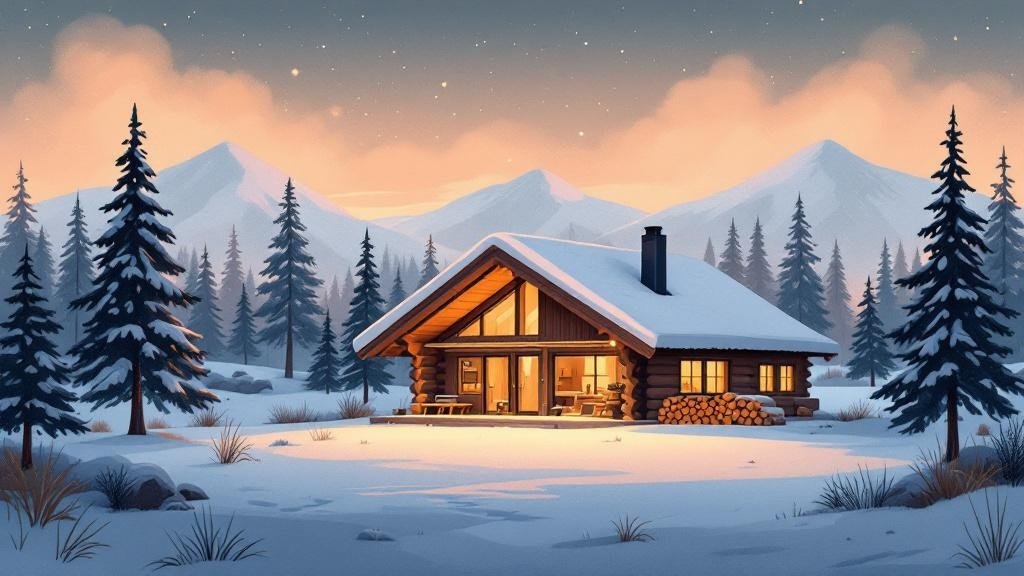
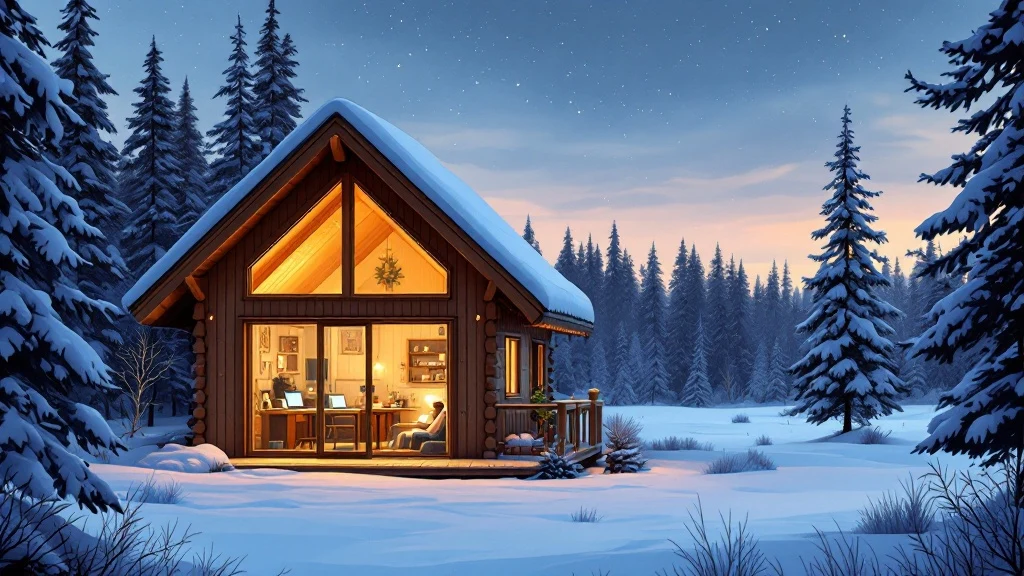
Forget the word “cottage” and whatever image it brings to mind. A Finnish mökki ranges from a simple one-room lakeside hut with an outhouse to a modern log villa with underfloor heating, a dishwasher, and a hot tub on the terrace. In Lapland, most rental cabins fall somewhere in the middle: a solid log building with a living room, one or two bedrooms, a kitchen, a bathroom, and – always – a sauna.
Every cabin has a sauna. If it doesn’t, something is wrong. This isn’t a luxury feature; it’s like a bathroom. You wouldn’t rent a house without a toilet. Same principle.
The kitchen will be fully equipped for self-catering: pots, pans, plates, cutlery, a stove, a fridge, usually a microwave and coffee maker. Many cabins have a fireplace or wood-burning stove in the living room. Bedding and towels are almost always included in Lapland rental cabins, though you should confirm this when booking – some older or more basic places ask you to bring your own or rent linens separately.
Winter cabins in Lapland are properly insulated and heated. You won’t be roughing it at −25°C (−13°F). The heating runs on electricity, oil, or wood, and you’ll arrive to a warm cabin if you’ve given the owner your arrival time. Some very remote cabins require you to fire up the stove yourself when you arrive – the listing will tell you.
Where to book: the platforms Finns use
This is where most visitors go wrong. They search Booking.com or Airbnb, find a limited selection of overpriced places, and conclude that Lapland cabins are expensive. The reality is that the best inventory sits on Finnish platforms that don’t spend money on international marketing.
Lomarengas
Lomarengas is Finland’s largest cabin rental platform. They’ve been doing this since 1967 – long before the internet – and they have thousands of properties across the country, including a deep selection in Lapland. The site works in English. Search filters let you specify sauna type (electric, wood-fired, smoke sauna), fireplace, pet-friendliness, distance to ski slopes, and more. Quality is consistent because Lomarengas inspects properties.
Nettimökki
Nettimökki is more of a marketplace – cabin owners list directly, so you’ll find a wider range of quality and prices. Some listings are in Finnish only, but Google Translate handles it well enough, and you can always email the owner in English. This is where you find the quirky, off-grid, deeply local cabins that never make it onto international platforms.
Booking.com and Airbnb
These work fine for Lapland, and you’ll find cabins on both – just fewer of them, and typically at a markup. The advantage is familiar booking flow, reviews in English, and free cancellation policies you already trust. If this is your first time renting a cabin abroad and you want a safety net, there’s nothing wrong with using these platforms. Just know you’re seeing maybe 30% of what’s actually available.
| Platform | Selection | English | Price level | Best for |
|---|---|---|---|---|
| Lomarengas | ★★★★★ | Full | €€ | Reliable quality, good filters |
| Nettimökki | ★★★★★ | Partial | €–€€ | Budget finds, unique cabins |
| Booking.com | ★★★ | Full | €€–€€€ | Familiar interface, free cancellation |
| Airbnb | ★★★ | Full | €€–€€€ | Reviews, instant booking |
Price ranges by area and season
Cabin prices in Lapland vary enormously based on three things: location, season, and how far in advance you book. The research data doesn’t include specific nightly rates (they shift annually), so here’s the qualitative picture rather than numbers that might mislead you.
Location matters a lot. Cabins near resort towns like Levi, Saariselkä, and Rovaniemi cost more than those in quieter areas like Muonio, Enontekiö, or the villages around Inari. A cabin 20 minutes from a ski resort can be significantly cheaper than one at the base of the slopes – and the drive is part of the experience.
Season is the biggest price driver. December through early January (Christmas and New Year) commands the highest prices – expect to pay roughly double or more compared to shoulder season. February half-term weeks are also premium. March, when Finns themselves go to Lapland, is busy but slightly more reasonable. Summer (June–August) is moderate. The cheapest time is September–November, when tourism is quiet and autumn colours have faded.
Booking early saves real money. The best cabins for Christmas get snapped up a year in advance – sometimes by the same families who return every year. For peak season, start looking 6–12 months ahead. For summer or shoulder season, 2–3 months is usually fine.
Prices are typically listed per cabin per night, not per person, which is where the value shows. A family of four or a group of friends splitting a cabin pays far less per head than hotel rooms. Check operator websites and platform listings for current season rates.
What’s included (and what isn’t)
Finnish cabin rentals are more generous with inclusions than you might expect, but some things catch visitors off guard.
Almost always included:
- Sauna (private, for your use whenever you want)
- Full kitchen with cookware, dishes, and basic utensils
- Bed linens and towels (confirm when booking)
- Heating and electricity
- Parking
Usually included but check:
- Firewood – most cabins provide it, but rural and off-grid places may expect you to chop it from the woodpile outside. The listing will say.
- Cleaning – some include final cleaning in the price; others charge a cleaning fee or expect you to clean before you leave.
- Wi-Fi – increasingly common but not universal, especially in remote locations. Mobile data coverage is surprisingly good across Lapland, so your phone is often the backup.
Rarely included:
- Food and groceries (self-catering is the norm)
- Sauna firewood for wood-fired saunas – if the sauna is wood-fired, check if wood is supplied
- Activity equipment (snowshoes, skis, fishing gear) – sometimes available at the cabin, often for a small fee
Self-catering: how to make it work
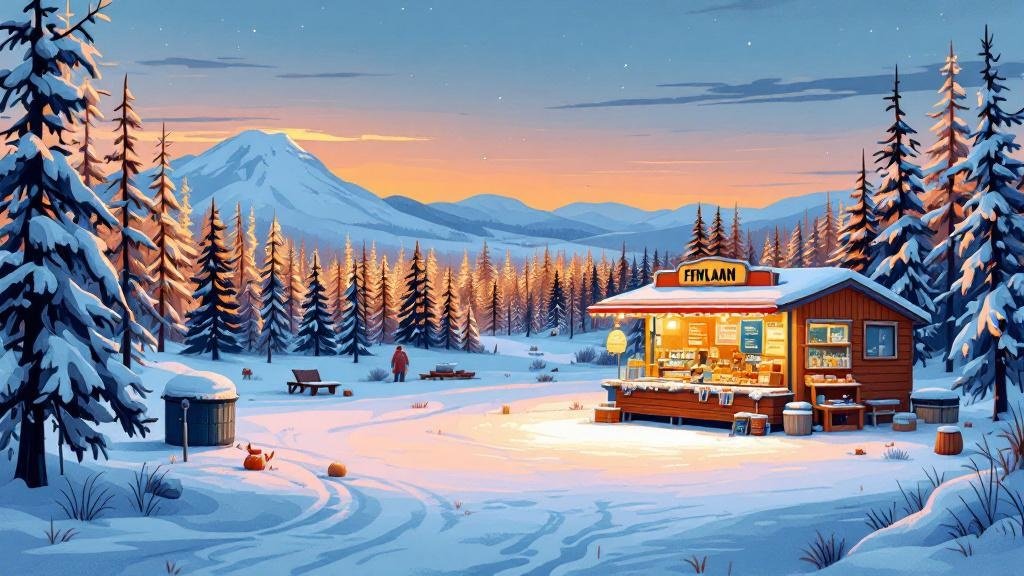
The kitchen in your cabin is there for a reason. Eating out in Lapland is expensive – restaurant meals add up quickly, especially for families. Self-catering is how Finns keep their mökki holidays affordable, and it’s how you should too.
The catch: your nearest grocery shop might be a 30-minute drive away. In some areas, it could be further. This isn’t a problem – it just requires one habit change. Stock up before you arrive or on your first day.
If you’re flying into Rovaniemi, Kittilä, or Ivalo, the drive to your cabin will pass through a town with a supermarket. Stop there. Buy everything you need for the first few days. Finnish supermarkets (Prisma, K-Citymarket, S-Market, Alepa) are well-stocked and reasonably priced. The further north you go, the smaller the shops get and the higher the prices, so buying staples in the first town you pass through saves money.
Coffee is essential. Every cabin has a coffee maker, and many have a traditional Finnish percolator (pannukahvi pot). Buy ground coffee – Finns drink more coffee per capita than any other nation, so the supermarket selection is excellent.
What to bring
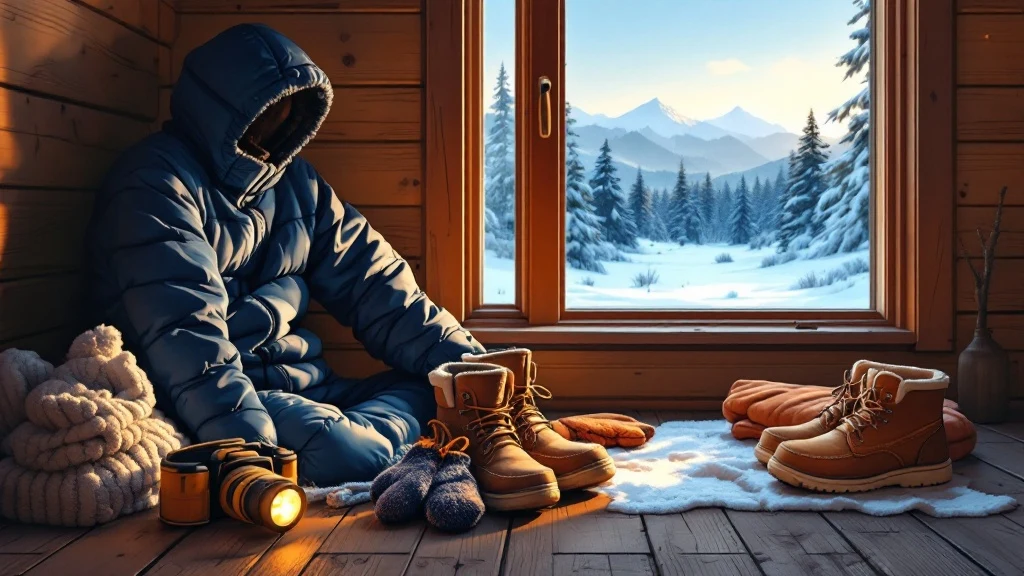
A well-equipped cabin means you need to bring less than you think. But a few things are worth packing or buying on arrival:
- Groceries and snacks – stock up in town before heading to the cabin
- Spices and cooking oil – cabins rarely have more than salt and pepper, if that
- Dishwasher tablets / dish soap – not always provided
- Slippers or warm indoor socks – cabin floors can be cold despite heating
- A headlamp or torch – the walk from your car to the cabin door at midnight, in the dark, through snow, is where you’ll want this
- Entertainment for evenings – board games, cards, books. Some cabins have no TV and limited Wi-Fi. This is a feature, not a bug.
- Swimsuit – for the sauna-to-snow cycle, or if there’s a hot tub
You do not need to bring bedding, towels, kitchen equipment, or toilet paper. These are standard. If you’re driving from Helsinki, resist the urge to pack your car like you’re moving house.
Cabin etiquette: the unwritten rules
Finnish cabin culture has norms. None of them are complicated, but breaking them marks you as someone who doesn’t know what they’re doing.
Leave it cleaner than you found it. This is the golden rule. Wash your dishes. Wipe the surfaces. Take out the rubbish. If there’s a final cleaning fee, this still applies – the fee covers deep cleaning, not scrubbing your porridge pot.
Respect the sauna. Heat it properly (this takes 30–60 minutes for a wood-fired sauna). Sit on a towel or the provided seat cover. Rinse the benches when you’re done. Don’t leave wet towels on the wooden benches overnight – they’ll mark the wood.
Mind the quiet. Mökki life is quiet life. Your neighbours – if you have any – are there for the same reason you are. Keep noise down, especially in the evening. The Finnish concept of mökkirauha (cabin peace) is sacred.
Don’t feed the animals. You’ll see reindeer near your cabin. They’re semi-domesticated and belong to someone. Don’t feed them – it creates problems for the herders.
Follow fire safety rules. If you’re using a fireplace or wood stove, close the damper only after the fire is fully out and the coals are cold. Carbon monoxide from smouldering coals in a sealed cabin is a real danger, not just a theoretical one. If you’re unfamiliar with wood stoves, ask the owner for instructions – they’d rather explain it twice than deal with an incident.
Booking timing: when to start looking
For Christmas and New Year (mid-December to early January): book 8–12 months ahead. The most popular cabins are reserved by returning guests before they even hit the platform.
For February half-term and Finnish winter holiday weeks: 4–6 months ahead.
For March (the local favourite – long days, deep snow, better prices): 2–4 months ahead.
For summer: 1–3 months is usually fine, except for midsummer week (Juhannus), when Finns flood the countryside and availability drops.
For shoulder season (September–November, April–May): last-minute deals are common. Owners would rather rent at a discount than leave the cabin empty.
Frequently Asked Questions
Do all Finnish cabins in Lapland have a sauna?
Yes – a sauna is standard in virtually every Finnish cabin. It’s considered a basic amenity, not a luxury. If you find a listing without one, it’s either an error or a very unusual property. Most Lapland cabins have either an electric sauna or a traditional wood-fired sauna, with wood-fired being the more common and more enjoyable option.
Can I book a Lapland cabin if I don’t speak Finnish?
Absolutely. Lomarengas has a full English-language site, and most cabin owners speak at least basic English. On Nettimökki, some listings are Finnish-only, but a browser translation tool handles it, and owners are used to communicating with international guests by email. Booking.com and Airbnb are fully in English.
Is a cabin cheaper than a hotel in Lapland?
For two or more people, almost always yes. Cabins are priced per property, not per person, so a family of four or a group of friends gets dramatically better value than hotel rooms. You also save on meals by self-catering – the kitchen pays for itself within two days of cooking instead of eating out.
What if there’s no Wi-Fi at the cabin?
Mobile data coverage in Lapland is surprisingly robust – most areas have 4G, and 5G is expanding near resort towns. Buy a Finnish SIM card or check that your mobile plan includes EU roaming (Finland is in the EU, so UK and US visitors should confirm roaming terms with their provider). For most people, phone data is more than enough for daily use.
Do I need a car to stay in a Lapland cabin?
For most cabin stays, yes. Cabins are often on forest roads or lakeshores away from public transport. Some cabins near resort villages like Levi or Saariselkä are walkable to services, but the classic mökki experience means a bit of a drive. Renting a car also makes your grocery runs and activity trips much easier.
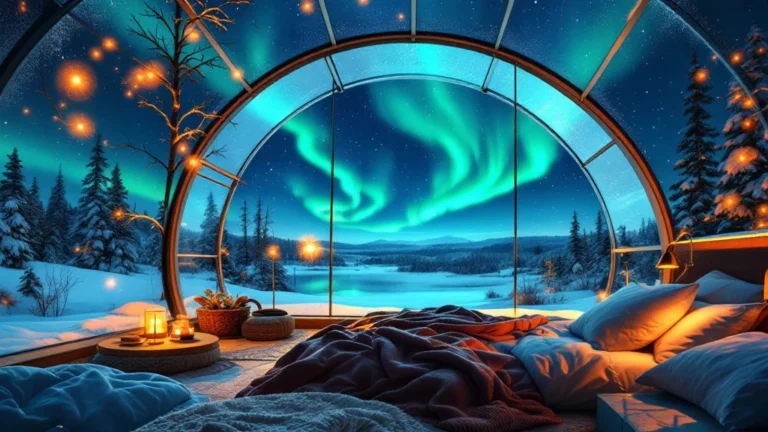
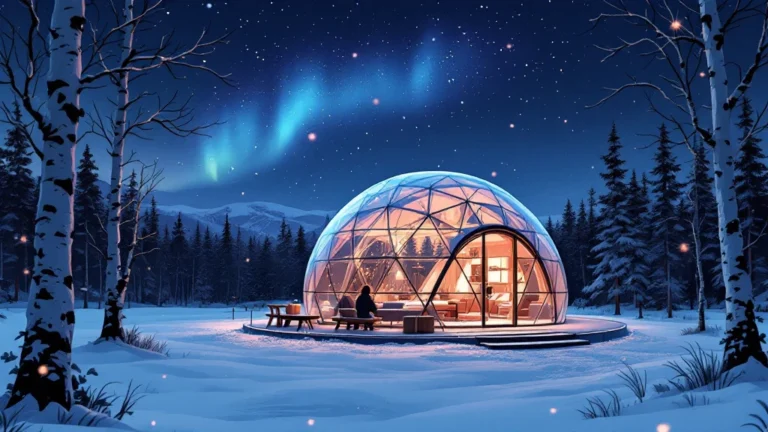
The mökki is the real Lapland experience. Not a glass igloo (though those are fun for a night), not a resort hotel, but a warm cabin in the forest with a sauna heating up and snow outside the window. Book through the platforms Finns use, stock your kitchen, and settle in.
Best Booking Resources for Lapland
These are the booking tools I keep coming back to. They consistently offer the best prices, the most relevant options for northern Finland, and actually work well for Lapland-specific searches, which not all platforms do.
- Kiwi.com: The best source for finding flights and airport connections. I have noticed they find flight connections that other search engines miss.
- Booking.com: I almost always use them for booking hotels and apartments (and occasionally flights). They have the best filters and I like the user-friendly interface.
- Hotels.com: The most popular hotel booking platform in many countries, US included.
- Get Your Guide: A massive selection of tours and excursions, including aurora tours, husky rides, reindeer experiences and more!
- EconomyBookings: Want to explore Lapland or chase auroras yourself? They pool together the best offers from car rental operators for your convenience.
- yesim: Need a local SIM for Lapland? A stress-free holiday nowadays (unfortunately) might start from a good connection, so get an eSIM with unlimited or prepaid data.
- Ekta Traveling: Not interested in checking out the Finnish public health care system on your holiday? Didn’t think so 🙂 Good insurance gets that stress out of the way.
As an Amazon Associate I earn from qualifying purchases. Booking through these links costs you nothing extra and helps keep these guides free and up to date. Thank you!

Planning a Lapland trip?
Ask a Finn. The Lapland Trip Planning: Finland group is where readers compare dates, resorts and real prices for the coming winter.
Join the planning groupFollow on FacebookFollow on Pinterest