
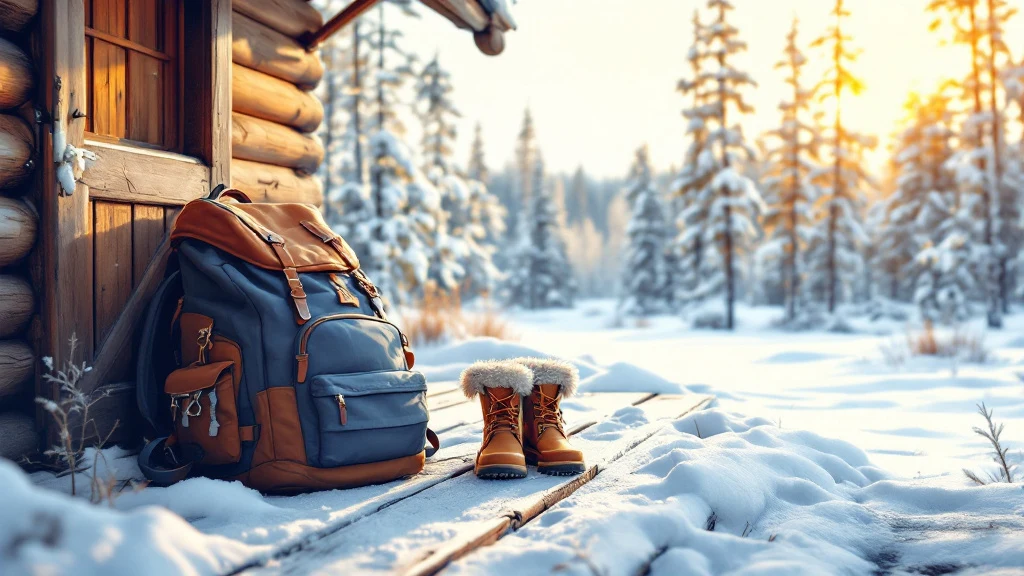
Lapland Family Packing List: What Kids and Toddlers Need
Updated 16 September 2026.
Some links on this page are affiliate links. If you book through them, I earn a small commission at no extra cost to you. I only recommend services I genuinely trust for Lapland travel. As an Amazon Associate I earn from qualifying purchases.
The most expensive item on your Lapland packing list is one you probably don’t need to buy. Thermal overalls and winter boots for children are lent free by most hotels, package operators and safari companies, and the good ones fit from toddler sizes upwards. Families arrive with a suitcase of new snow gear and then wear the resort’s suit all week, because the loan suits are built for sitting still on a sled at speed, which is not what most high-street snowsuits are designed for.
So the first packing step isn’t shopping. It’s an email: ask your hotel or tour operator exactly what they lend, in which children’s sizes, and whether boots come with it. Then pack the layers that go underneath, which is the part nobody lends and the part that actually decides whether your child stays out for two hours or twenty minutes.
The short version
If you read nothing else: wool or synthetic base layers, mittens rather than gloves, a thin balaclava under the hat, boots a size large over doubled wool socks, and twice as many spare mittens as you think. Everything else is detail.
The outer layer is the loan item. Inghams includes thermal suits and boots on its inclusive packages, Santa’s Lapland builds thermal gear into every break, and safari operators fold suits and boots into the price of husky, reindeer and snowmobile trips. Confirm it in writing before you spend anything, because the answer varies by property and by child size availability.
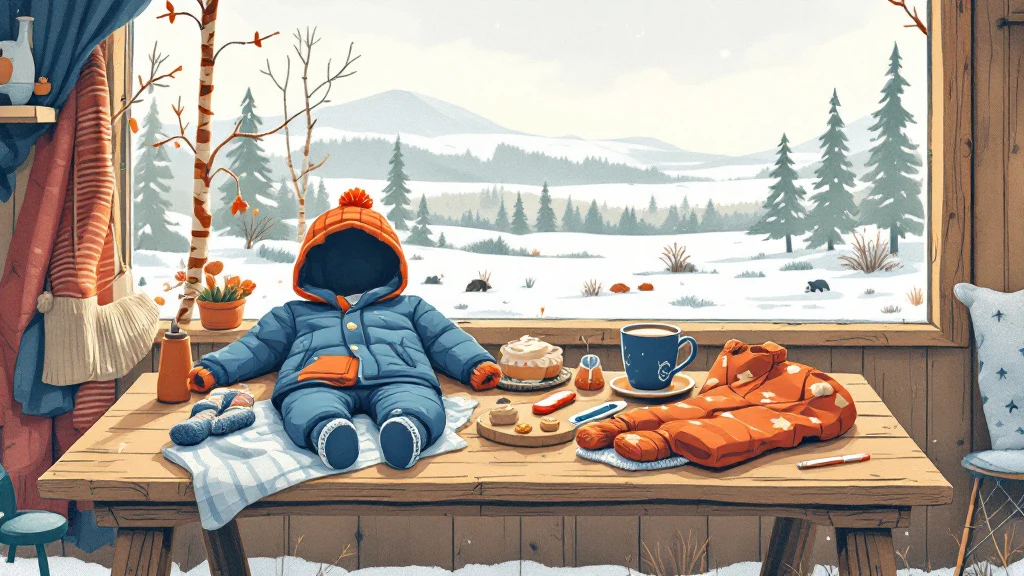
The three rules that beat any product
Parents overthink brands and underthink these three things. Get them right with supermarket kit and your child will be warmer than a child in premium gear who got them wrong.
Mittens, not gloves. Fingers share heat when they’re together; separated into glove fingers, they don’t. Gloves are for teenagers who refuse to be seen in mittens. With small children, idiot strings through the sleeves are not optional: a mitten dropped off a sled at speed is gone.
Wool, not cotton. Cotton absorbs sweat, stops insulating and then freezes against the skin. Merino wool or synthetic base layers keep working when damp. This single swap outperforms any upgrade to the outer layer, and it’s the reason a child in a cheap overall over wool is comfortable while a child in an expensive overall over a cotton t-shirt is miserable.
Balaclava under the hat. On a moving sled the wind finds cheeks and chin. A thin balaclava or tube scarf under the hat covers both and stays put. Scarves unwind, get chewed, and end up trailing near sled runners. Balaclavas don’t.
The full checklist by age
The layering logic is the same at every age: base, mid, outer, with air trapped between. Children need it handled differently from adults, though, because their day alternates between hard running around and sitting completely still on a sled. That means the mid layer has to come off easily, without undressing the child in a snowbank. And a base layer sweated through during twenty minutes of charging about is a much bigger problem for a child who then sits motionless for forty minutes behind a team of huskies.
Babies and toddlers
- Two-piece wool or fleece base sets, at least two
- A wool mid-layer overall
- A winter overall bought one size large, so layers fit underneath
- Over-mitts long enough to reach the elbow, over the sleeve not under it
- Wool socks, doubled, plus insulated booties
- A proper winter hat and a thin balaclava
- A neck fleece that can be wiped or washed daily
- A nappy-change plan that works indoors: restaurants, cafés, the back of the car. Not outside
Ages 4 to 8
- Same base and mid layers, with a one-piece thermal overall as the outer, so there’s no gap at the waist when they roll in snow
- Snow boots rated for real cold, a size large, worn over wool socks
- Two pairs of mittens minimum, because one pair will be wet by lunch
- Separate snow trousers and a jacket for village and museum days when the full overall is too hot indoors
- Reflectors. Finnish children wear them from toddlerhood because winter afternoons are dark and nobody sees a small person in navy
Ages 9 and up
- Adult-style layering in child sizes: base, fleece or wool mid, insulated outer
- Their own day bag with spare mittens, a headlamp and snacks. They’re old enough to own the problem
- A power bank, because cold drains phone batteries fast and a dead phone in a group is everyone’s problem
The parent bag
One adult carries the family spares all day: dry mittens, dry socks, a foam sit-mat each, hand warmers, chocolate. The family packing list is essentially the adult list plus this bag. It’s also the bag that saves a day out when a child goes through the ice-crust into a puddle.
The non-clothing items
Two things that aren’t clothing but belong on the list. First, insurance: check that your policy covers winter activities. Children are usually bundled onto a family policy for free, but cover for motorised activities like snowmobiling is not automatic, and a passenger sled behind a snowmobile can count. Read the activity exclusions before you book the safari, not after.
UK visitors should carry a GHIC (the EHIC’s replacement), which covers state healthcare in Finland on the same terms as a resident. It is not a substitute for insurance and covers nothing to do with repatriation or cancelled activities. Finland is in the Schengen area and uses the euro; the emergency number across the country is 112, and the official 112 app transmits your location, which matters when you’re somewhere with no address.
Second: prescription medicines go in hand luggage. Checked bags occasionally spend a night in Helsinki while you’re in Kittilä, and Lapland pharmacies are small-town pharmacies with small-town opening hours. General travel and season information is on Visit Finland if you need the official version.
Toddler extras nobody tells you about
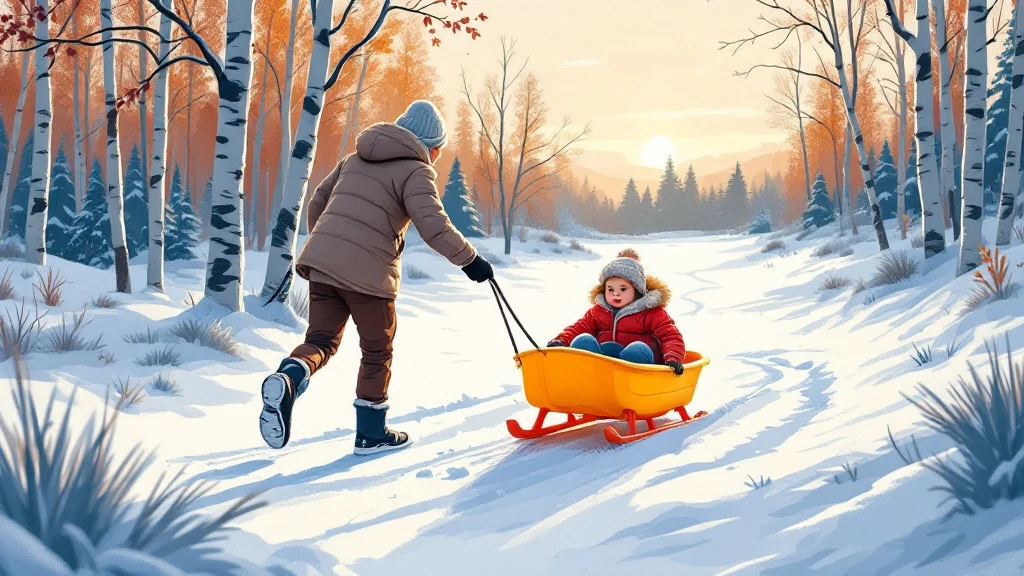
A pram is close to useless on packed snow unless it has runners or fat tyres. A pulk, the towed plastic sledge every Finnish parent drags to nursery, works everywhere. Many hotels lend them, so add pulks to the same email you send about thermal suits. For babies, a carrier under an oversized parent jacket works well as long as the legs are properly covered and you can still see the face.
The Finnish outdoor nap is real and it is researched: babies sleep longer outdoors than indoors, according to University of Oulu work reported by Yle. Around −5°C (23°F) is considered the sweet spot, and the practice is generally kept above −10°C (14°F), always in shelter and always with someone checking. Copy the caution, not just the habit. A visiting family without the routine should treat it as a short nap in sight of a window, not a two-hour experiment.
Check fingers and toes hourly with a toddler. They don’t reliably report cold, and by the time they complain the situation is already unpleasant. Hand warmers work, but never against bare toddler skin: inside a mitten, over a wool layer.
Buy the gaps in Finland, not everything at home
Finland sells this equipment in ordinary shops, because ordinary Finnish children need it. Reima is the default children’s winter brand and is stocked widely. Supermarkets and discount chains, Prisma and Tokmanni among them, carry own-brand thermal overalls, wool socks and mittens that Finnish kids genuinely wear to school. This is not the tourist-shop markup zone; it’s where local parents buy.
The strategy that works: pack base layers, mittens, hats and socks from home, confirm the outer layer is lent, and buy any missing piece on day one in Rovaniemi, Levi or wherever you land. A supermarket in a Lapland town is better stocked for cold weather in November than a department store in Manchester. It’s also cheaper than replacing a full set of premium kids’ gear the year they grow out of it, which is every year.
What not to bring
| Leave at home | Why |
|---|---|
| Jeans | Cotton, heavy, and freezes stiff once damp. Useless as a base or mid layer |
| Fashion boots | Thin soles conduct cold straight up; no grip on polished ice |
| More than two changes of daywear per child | Nobody sees the clothes under the overall. Pack spare base layers instead |
| Umbrellas | Snow doesn’t need one, and wind destroys them |
| A standard pram | Small wheels sink or jam. Bring it only if it has runners or fat tyres |
The general error is packing for a beach holiday’s worth of outfit changes. Children in Lapland wear the same two base layers on rotation and live inside an overall. Laundry facilities exist; suitcase space for wet mittens does not.
Aurora nights and the standing-still problem
Moving children stay warm. Standing children get cold fast, and aurora watching is the coldest thing you will do because it involves standing outside doing nothing for a long time in the dark. The gear that matters here is different from safari gear.
A foam sit-mat per child is the most underrated item on the entire list. It weighs nothing and stops cold coming up through a snowbank or a bench. Add a sleeping bag for a small child to sit inside, hand warmers, a thermos of something hot, and a plan for the boredom. Because there will be boredom: auroras don’t run to a schedule, and a nine-year-old’s patience for an empty sky is roughly fifteen minutes.
The better plan with young children is usually to skip the field trip. Watch the Finnish Meteorological Institute’s aurora and space weather service and an alert app, stay at the accommodation, and step outside when something is actually happening. Sleeping children should sleep. You can wake a five-year-old for a genuine display in ninety seconds; you cannot un-freeze one who has stood in a car park for two hours for nothing.
Book this
Travel insurance for Lapland: cover for winter activities and medical costs from Ekta, priced per trip

How I researched this
Gear lending and package inclusions come from operators’ own pages checked in August 2026, including Inghams and Santa’s Lapland, plus the site’s activity research on what safari prices include. The outdoor-nap guidance comes from University of Oulu research reported by Yle. Everything else is standard Finnish winter practice, stated without invented figures: no retail prices were verifiable at research time, so shops and brands are named without price tags. Nobody from Lapland Trip Planner has packed for this trip with children; this is a researched checklist, not a trip report.
Our picks
- Fleece balaclava for children: goes under the hat and closes the gap at the neck
- Waterproof mittens for children: long cuffs that go over the sleeve, a spare pair for the wet ones
- Hand warmers: for aurora nights, when you stand still for an hour at −25°C
Common questions
Do I need to buy snow suits for my kids before a Lapland trip?
Usually not. Most hotels, package operators and safari companies lend thermal overalls and boots including children’s sizes, so buying your own duplicates a cost you’ve already paid. Email and confirm the smallest sizes are available before you spend anything, then pack the base and mid layers that go underneath.
What should a toddler wear in Lapland?
Wool or fleece base layers, a wool mid overall, and a winter overall bought one size large so the layers fit. Add elbow-length over-mitts, doubled wool socks with insulated booties, a hat and a thin balaclava. Check fingers and toes every hour, because toddlers don’t reliably say when they’re cold.
Are mittens really better than gloves for children?
Yes, and it isn’t close. Fingers held together share warmth; separated into glove fingers they lose it. Use mittens with idiot strings through the sleeves for anyone small enough to drop one off a sled, and reserve gloves for teenagers who won’t wear anything else.
Can I buy children’s winter clothing in Finland?
Easily. Reima is the standard Finnish children’s winter brand and is widely stocked, while supermarkets and discount chains such as Prisma and Tokmanni sell own-brand thermal overalls, wool socks and mittens. Buying the missing item on arrival is usually smarter than overbuying at home for kit your child outgrows in a year.
Should I take young children out to see the northern lights?
Only with a short plan. Standing still in the dark is the coldest thing you’ll do, so bring a foam sit-mat each, hand warmers and hot drinks if you go. With small children it’s often better to watch aurora forecasts from the accommodation and step outside only when a display is actually underway.
Best Booking Resources for Lapland
These are the booking tools I keep coming back to. They consistently offer the best prices, the most relevant options for northern Finland, and actually work well for Lapland-specific searches, which not all platforms do.
- Kiwi.com: The best source for finding flights and airport connections. I have noticed they find flight connections that other search engines miss.
- Booking.com: I almost always use them for booking hotels and apartments (and occasionally flights). They have the best filters and I like the user-friendly interface.
- Hotels.com: The most popular hotel booking platform in many countries, US included.
- Get Your Guide: A massive selection of tours and excursions, including aurora tours, husky rides, reindeer experiences and more!
- EconomyBookings: Want to explore Lapland or chase auroras yourself? They pool together the best offers from car rental operators for your convenience.
- yesim: Need a local SIM for Lapland? A stress-free holiday nowadays (unfortunately) might start from a good connection, so get an eSIM with unlimited or prepaid data.
- Ekta Traveling: Not interested in checking out the Finnish public health care system on your holiday? Didn’t think so 🙂 Good insurance gets that stress out of the way.
As an Amazon Associate I earn from qualifying purchases. Booking through these links costs you nothing extra and helps keep these guides free and up to date. Thank you!
Planning a Lapland trip?
Ask a Finn. The Lapland Trip Planning: Finland group is where readers compare dates, resorts and real prices for the coming winter.