Kilpisjärvi Guide: Finland’s Northwestern Frontier
Some links on this page are affiliate links. If you book through them, I earn a small commission at no extra cost to you. I only recommend services I genuinely use and trust for Lapland travel.
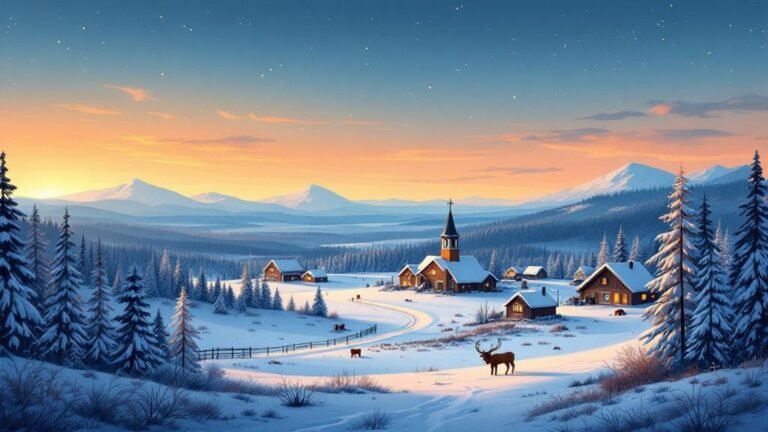
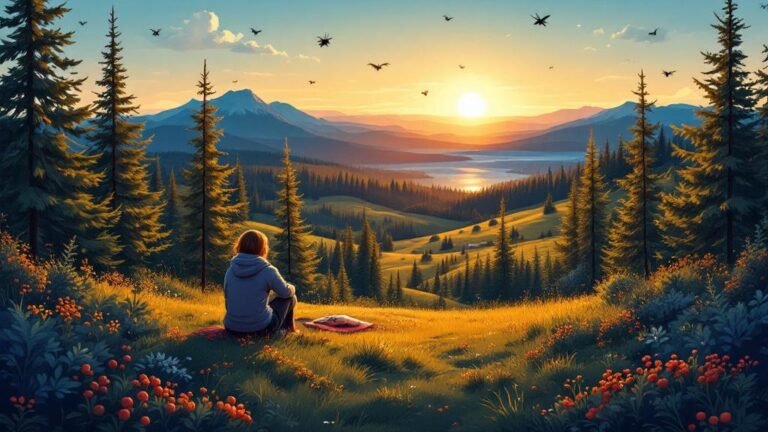
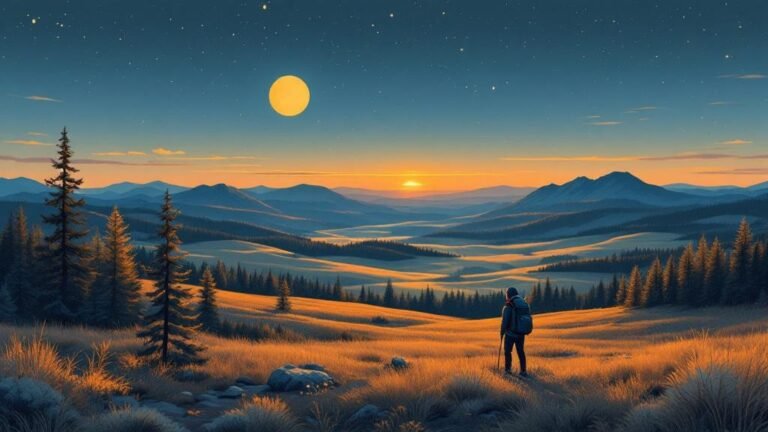
Kilpisjärvi is where Finland runs out. Literally. The village sits in the far northwestern arm of the country, wedged between Norway and Sweden, closer to the Norwegian Sea than to any Finnish city. The landscape here doesn’t look like the rest of Lapland – the trees give up, replaced by bare, wind-scoured fjells that stretch to the horizon. Finland’s highest point, Halti, rises from this terrain. If you’ve come to Lapland for easy, packaged tourism, this is the wrong place. If you’ve come for genuine wilderness and don’t mind driving a very long way to reach it, Kilpisjärvi is the reward.
This is Finland’s most remote tourist destination, and it earns that title honestly. The nearest airport is roughly three hours away by car. The only proper hotel is Lapland Hotels Kilpis. The village has a few hundred permanent residents, and in winter, temperatures can drop well below −30°C (−22°F). People come here on purpose, and they come prepared.
What Makes Kilpisjärvi Different
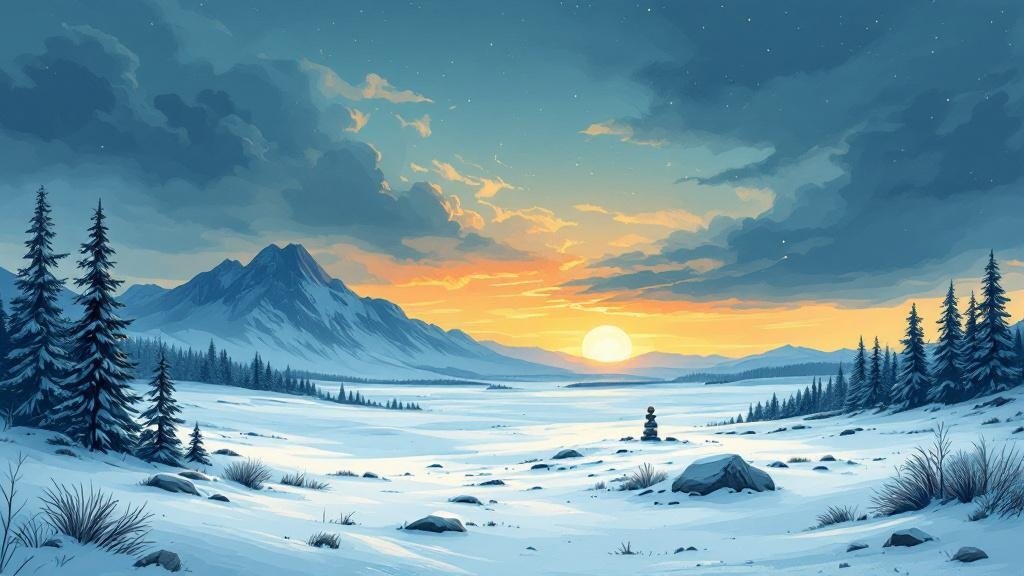
Most of Lapland is boreal forest – endless birch and pine, frozen lakes, snowy trails through the trees. Kilpisjärvi is something else entirely. The treeline ends before you get there, and what remains is tunturi – open fjell landscape that feels more like Norway or Iceland than Finland. The terrain is dramatic and exposed: rocky plateaus, alpine valleys, and a sky so wide it becomes the main feature.
The village sits on the shore of Kilpisjärvi lake, right against the Norwegian border. Sweden is a short hike away. This is Sámi homeland – reindeer herding country – and the cultural connection to the land here goes back thousands of years. You won’t find Santa Claus, husky safaris marketed to day-trippers, or souvenir shops selling elf hats. What you will find is silence, space, and some of the most serious hiking terrain in Finland.
The Halti Hike: Finland’s Highest Point
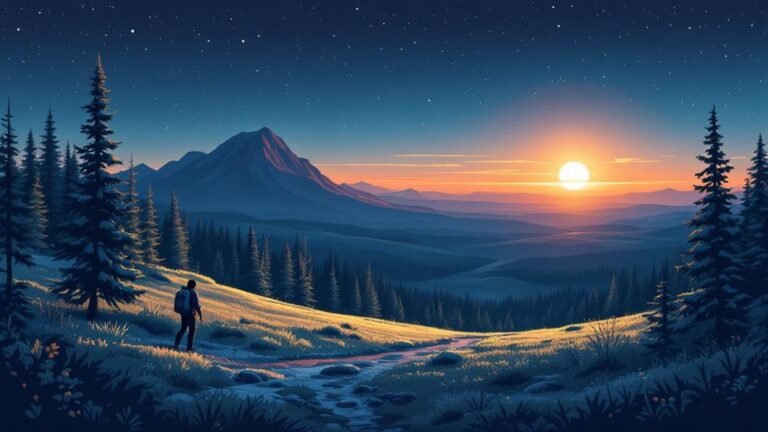
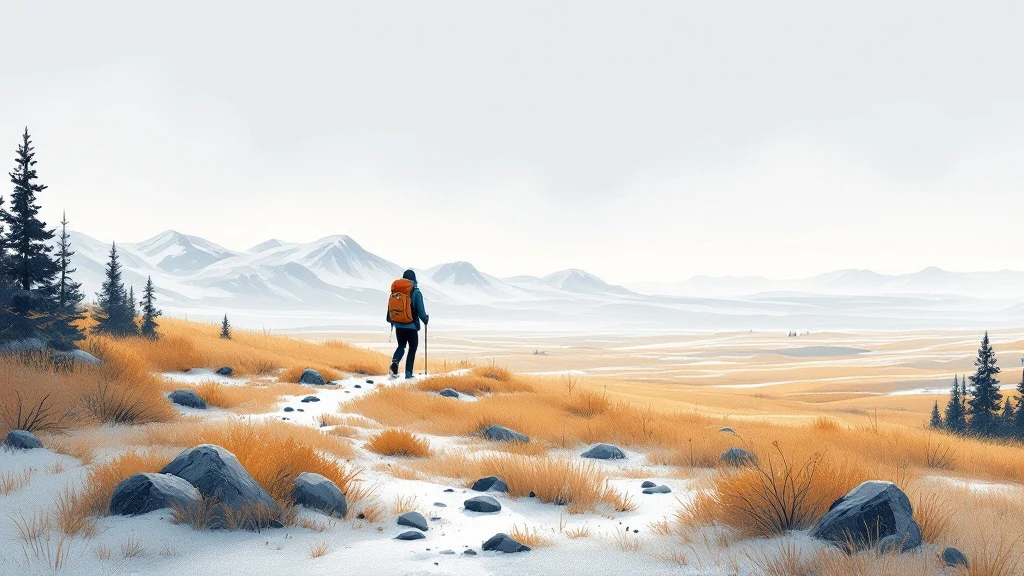
Halti is Finland’s highest point, and reaching it is the main reason serious hikers come to Kilpisjärvi. But this is not a day trip. The route from Kilpisjärvi to the summit is a multi-day wilderness trek through roadless fjell terrain, and you need to treat it accordingly.
The standard approach follows a marked trail from Kilpisjärvi through the Käsivarsi Wilderness Area. There are open wilderness huts along the route (maintained by Metsähallitus / National Parks Finland), but they operate on a first-come, first-served basis and can fill up in peak summer. Carrying a tent is strongly recommended as backup. You’ll need proper hiking boots, layered clothing for rapidly changing weather, food supplies, a map and compass (GPS is helpful but not sufficient on its own), and realistic expectations about your fitness level.
The terrain above the treeline is exposed. Weather can shift from sunshine to near-zero visibility in an hour. Snow can fall on the summit even in July. This isn’t fearmongering – it’s basic Finnish fell reality. Finns respect these mountains because they know what happens when you don’t.
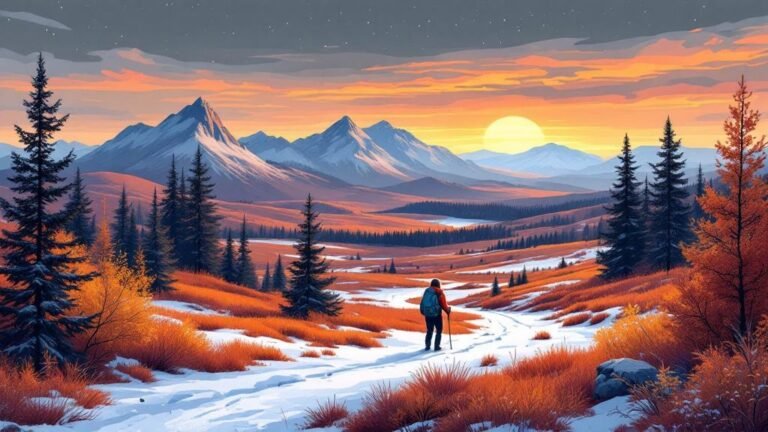
The hiking season for Halti is roughly late June to early September, with July and August being the most reliable months weather-wise. Even then, mosquitoes are fierce in July – bring a head net and strong repellent, or you’ll regret it. August tends to offer the best combination of reasonable weather, fading mosquitoes, and the first hints of ruska (autumn colours) on the lower slopes.
The Three-Country Cairn
The Kolmen valtakunnan rajapyykki – the Three-Country Cairn – marks the point where Finland, Sweden, and Norway meet. It’s one of the few places in the world where you can stand in three countries simultaneously, and it’s become Kilpisjärvi’s most accessible attraction.
The cairn sits on the shore of a small lake in the fjell landscape northwest of the village. In summer, a boat runs across Kilpisjärvi lake to shorten the approach, leaving a manageable hike to the cairn itself. The full walk from the village without the boat is longer and crosses open terrain. In winter, some visitors reach it by snowmobile or ski, but conditions dictate everything – check locally before attempting it.
It’s a satisfying destination for visitors who want to experience the Kilpisjärvi landscape without committing to a multi-day Halti trek. The scenery along the way is the real draw: treeless expanses, wide valleys, and – on a clear day – views that stretch into three countries at once.
Getting to Kilpisjärvi
There’s no gentle way to say this: Kilpisjärvi is a long way from everywhere. There is no airport. There is no train. Getting here means driving, and driving means committing significant hours to roads that, while well-maintained, are remote and often snow-covered.
| Starting Point | Distance | Drive Time | Notes |
|---|---|---|---|
| Enontekiö | 110 km | ~1.5 hours | Nearest community. Last fuel stop. |
| Muonio | 180 km | ~2 hours | Via E8 highway |
| Levi (Kittilä) | 250 km | ~3 hours | The nearest airport area |
| Inari | 280 km | ~3.5 hours | Different route entirely |
| Rovaniemi | 420 km | ~5 hours | If arriving by flight or train |
Most visitors either fly to Kittilä (for Levi) or Rovaniemi and drive from there. A rental car is not optional – it’s the only realistic way to reach Kilpisjärvi. Public transport exists in theory, but schedules are sparse and don’t align with anything resembling a holiday itinerary.
The drive itself is part of the experience, particularly the final stretch from Enontekiö. The road follows the Käsivarsi arm of Finland as it narrows between Norway and Sweden, and the landscape grows more dramatic with every kilometre. In winter, the road is ploughed but can be icy and dark. In spring (late April–May), kelirikko – the season when frost heaves and meltwater damage unpaved roads – can make some smaller roads impassable. The main E8 highway stays open year-round.
Where to Stay
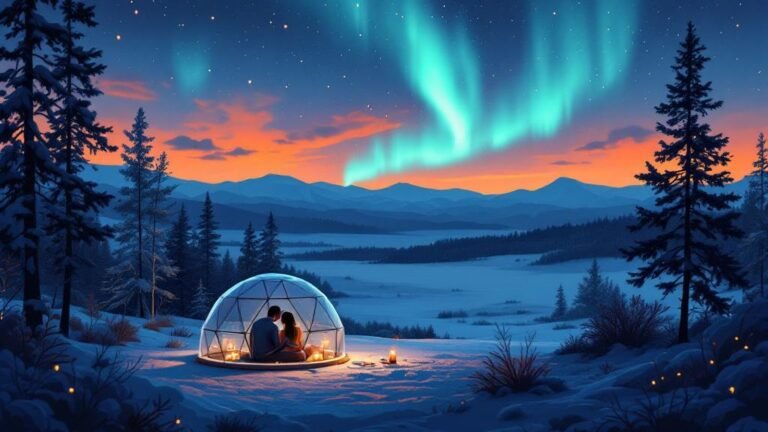
“Very limited” understates it. Kilpisjärvi has essentially one proper hotel: Lapland Hotels Kilpis, which serves as the base for most visitors heading to Halti or the Three-Country Cairn. Expect mid-range prices of 130-200€ per night. There’s also Arctic Land Adventure, which offers glass igloos near the Norwegian border – a unique experience in this fjell landscape, though glass igloo prices across Lapland generally range from 250-450€ in shoulder season up to 400-990€ during peak months (December–February).
Beyond these, options are limited to cabin rentals. Budget cabin rentals in the area start around 90-130€ per night. Most cabins come with kitchens and saunas – self-catering is the norm here, and it’s a smart choice given that restaurant options are minimal. Bring groceries from a larger town before you arrive.
Booking well ahead is essential, especially for summer hiking season and Christmas/New Year. With so few options, everything fills up fast.
Who Kilpisjärvi Is For (And Who It Isn’t)
Kilpisjärvi suits a specific type of traveller. If you tick most of these boxes, you’ll love it:
- Serious hikers who want multi-day wilderness routes, not groomed trail loops
- Solitude seekers who find even Inari too touristy
- Experienced winter travellers comfortable with extreme cold and remote driving
- Geography enthusiasts who want to stand at Finland’s highest point or touch three countries
- Self-sufficient types who can plan meals, carry supplies, and navigate without hand-holding
Kilpisjärvi is not for families with young children looking for easy activities. It’s not for first-time Lapland visitors who want a curated experience. And it’s not for anyone who expects restaurants, shops, or entertainment after dark. If that sounds like you, start with Levi or Rovaniemi – there’s no shame in wanting infrastructure.
| Feature | Kilpisjärvi | Typical Lapland Resort |
|---|---|---|
| Landscape | Treeless fjell, alpine | Boreal forest, lakes |
| Accommodation options | 1 hotel, a few cabins | Dozens of hotels, cabins, igloos |
| Organised activities | Very few | Full safari programme |
| Nearest airport | ~3 hours drive | 15-30 min transfer |
| Restaurants | 1-2 | 10-30+ |
| Crowds | Almost none | Seasonal peaks |
| Self-sufficiency required | High | Low |
Frequently Asked Questions
Can you do the Halti hike as a day trip?
No. The distance and terrain make this a multi-day trek requiring proper planning, supplies, and either wilderness hut stays or a tent. Attempting it in a single day is dangerous and not recommended by Finnish outdoor authorities. Allow at least 3-4 days for the return trip.
Is Kilpisjärvi worth the long drive?
If you’re a serious hiker or want genuine Arctic wilderness isolation, absolutely. The landscape is unlike anything else in Finland – treeless fjells that look more Norwegian than Finnish. But if you want organised safaris and easy logistics, other Lapland destinations will serve you better with far less driving.
What’s the best time to visit Kilpisjärvi?
For hiking, late June to early September. August offers the best balance of decent weather, fewer mosquitoes, and early autumn colours. Winter visits are rewarding for experienced Arctic travellers but require serious preparation and confidence in winter driving.
Do I need a car to visit Kilpisjärvi?
Effectively, yes. While occasional bus services exist on paper, they’re infrequent and impractical for a holiday. A rental car with winter tyres (mandatory October–March) is the only realistic option. Make sure you’re comfortable driving on icy roads in remote areas.
Kilpisjärvi doesn’t try to impress you. It doesn’t have to. The landscape speaks for itself – and mostly, it speaks in silence.
Best Booking Resources for Lapland
After years of travelling to and around Lapland, these are the booking tools I keep coming back to. They consistently offer the best prices, the most relevant options for northern Finland, and actually work well for Lapland-specific searches, which not all platforms do.
- Kiwi.com: The best source for finding flights and airport connections. I have noticed they find flight connections that other search engines miss.
- Booking.com: I almost always use them for booking hotels and apartments (and occasionally flights). They have the best filters and I like the user-friendly interface.
- Hotels.com: The most popular hotel booking platform in many countries, US included.
- Get Your Guide: A massive selection of tours and excursions, including aurora tours, husky rides, reindeer experiences and more!
- EconomyBookings: Want to explore Lapland or chase auroras yourself? They pool together the best offers from car rental operators for your convenience.
- yesim: Need a local SIM for Lapland? A stress-free holiday nowadays (unfortunately) might start from a good connection, so get an eSIM with unlimited or prepaid data.
- Ekta Traveling: Not interested in checking out the Finnish public health care system on your holiday? Didn’t think so 🙂 Good insurance gets that stress out of the way.
Booking through these links costs you nothing extra and helps keep these guides free and up to date. Thank you!