Solo Travel in Lapland: Safe, Easy, and Not as Lonely as You Think
Updated 10 September 2026.
Some links on this page are affiliate links. If you book through them, I earn a small commission at no extra cost to you. I only recommend services I genuinely trust for Lapland travel.
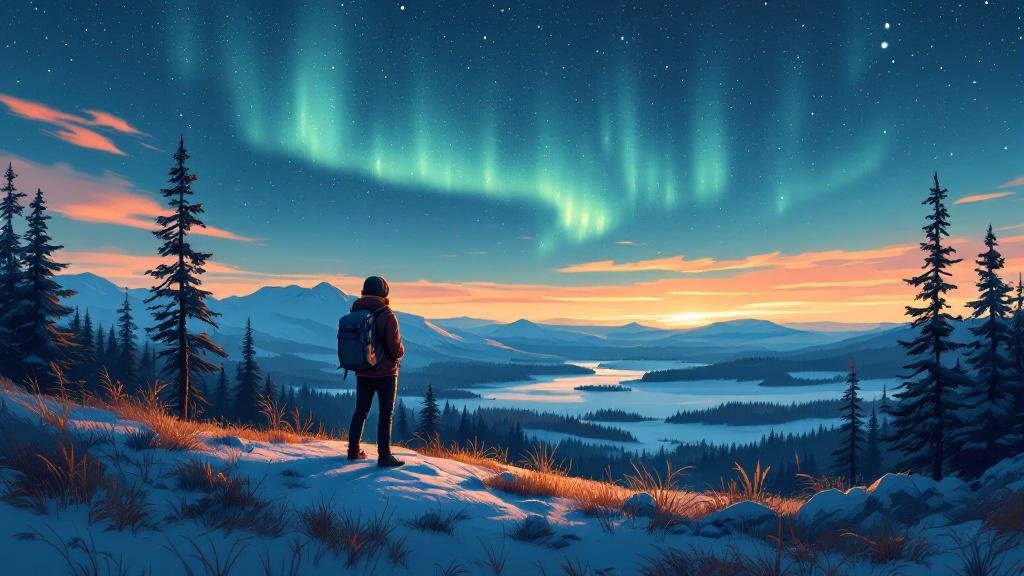
Finland has been ranked the safest country in the world for years running, and solo travel here is so normal that Finns barely understand the question. People walk alone in Helsinki at 3am without a second thought. In Lapland, you’re more likely to be inconvenienced by a reindeer on the road than by another human. If you’re considering a solo trip to Lapland but feel hesitant – don’t. This is one of the easiest places on earth to travel alone.
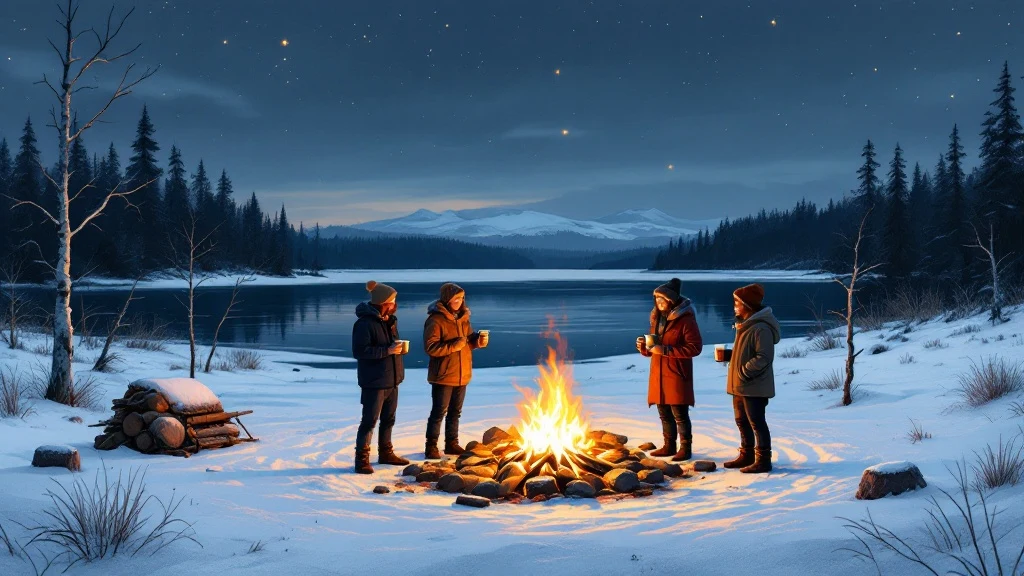
The bigger surprise? You won’t actually be alone much. Almost every activity in Lapland is group-based. You book a husky safari or aurora tour and show up to find six other travellers from four different countries, all equally excited and slightly nervous about the cold. By the end of the evening, you’re sharing a campfire and swapping travel stories. Lapland solo travel is less “lonely wanderer” and more “instant small group.”
Safety: It’s Finland, You’ll Be Fine
Finland consistently tops the World Happiness Report and global safety rankings. Violent crime is extremely rare, and in Lapland – where towns have populations of a few thousand – it’s essentially nonexistent. You can leave your bags unattended in a café. You can walk back to your cabin in the dark. Nobody will bother you.
The real safety considerations are environmental, not human. In winter, temperatures can drop to −25°C (−13°F) or lower, and if you’re driving, Arctic roads demand respect. But activity operators handle the safety side for you – they provide thermal suits, brief you on conditions, and nobody goes into the wilderness without proper gear. If you’re hiking solo in summer, let someone know your route and check trail conditions on nationalparks.fi. The Finnish emergency number is 112, and rescue services are efficient even in remote areas.
Meeting Other Travellers
The structure of Lapland tourism works in your favour as a solo traveller. Nearly every activity – husky safaris, northern lights tours, snowmobile excursions, reindeer farm visits – operates as a small group experience. You’ll typically be with 4-12 other people, sharing a minibus, standing around the same campfire, taking turns driving a dog sled. It’s naturally social without anyone having to make an effort.
Accommodation plays a role too. Hostels exist in the main towns (dorms from 29€ per night), and communal spaces in hotels and lodges tend to draw solo travellers together. Sauna culture helps – it’s hard to maintain formality when you’re sitting in a hot room with strangers. The communal saunas at places like Sauna World in Rovaniemi or municipal swimming halls (7-10€ entry) are great equalisers.
That said, if you want solitude, Lapland delivers that too. Book a private cabin in the woods, rent cross-country skis, and you might not see another person all day. The beauty of travelling here alone is the choice: company when you want it, silence when you don’t.
Solo-Friendly Activities
Almost everything on the Lapland activity menu works for solo travellers, because almost everything is sold per person and run as a group. You don’t need a partner or a family to fill a booking.
| Activity | Solo-friendly? | Price per person | Social level |
|---|---|---|---|
| Husky safari (2hr, self-driven) | ✓ | from about 160€ | ★★★ – small group, campfire after |
| Northern lights tour | ✓ | about 100 to 190€ | ★★★ – hours together in the dark |
| Reindeer farm visit | ✓ | 35-139€ | ★★ – group activity, calmer pace |
| Snowmobile safari (2hr, shared sled) | ✓ (solo supplement applies) | from about 155€ + 60€ solo | ★★ – convoy format |
| Cross-country skiing | ✓ | Free (rental 20-45€/day) | ★ – solo by nature |
| Ice fishing | ✓ | Free (guided from 89€) | ★ – meditative silence |
| Sauna experience | ✓ | 7-185€ | ★★ – communal but quiet |
| Summer hiking | ✓ | Free | ★ – as remote as you want |
Northern lights tours are particularly good for solo travellers. You spend several hours with the same small group, often in the middle of nowhere, waiting for the sky to perform. People bond. By the time the aurora appears (or doesn’t – honesty matters here), you’ve had real conversations.
Single Supplements and How to Dodge Them
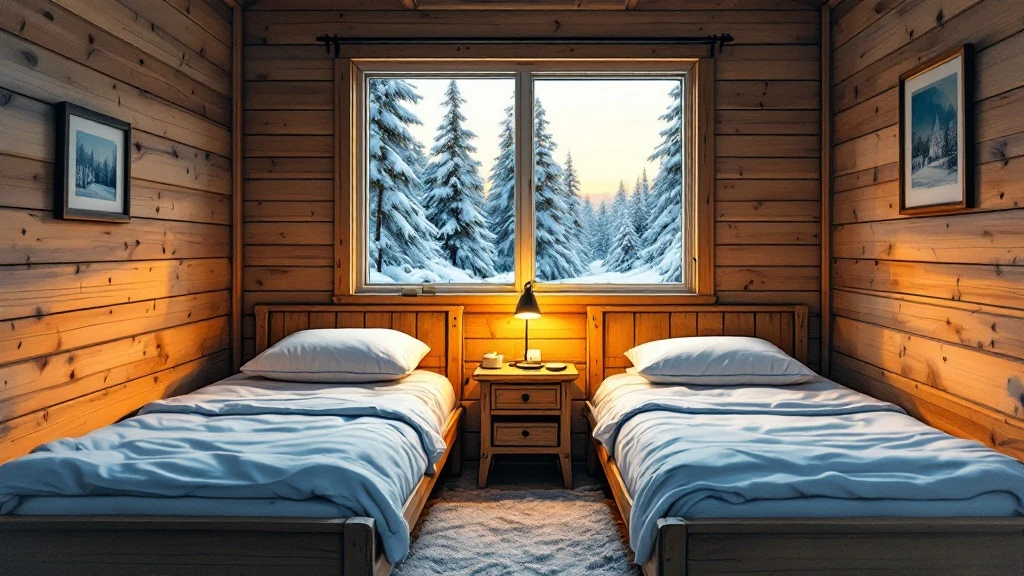
The single supplement is the tax on solo travel, and it exists in Lapland too – mostly in accommodation. Hotels charge per room, not per person, so a solo traveller pays the same as a couple for that hotel room. Cabins are even worse: a cabin built for four costs the same whether you fill it or not.
Here’s how to keep costs reasonable:
- Hostels – Dorm beds start from 29€ per night. Private hostel rooms run 80-95€, still cheaper than most hotels. Available in Rovaniemi, Levi, and Saariselkä.
- Budget hotels in shoulder months – Accommodation prices drop significantly in March, April, September, and October compared to the December-February peak. A budget hotel room that costs 130€ in January might drop to roughly 80€ in October.
- Self-catering cabins shared with other travellers – If you meet people during activities (and you will), splitting a cabin between two or three solo travellers saves everyone money. Budget cabins run 55-120€ per night total.
- Activity packages – Some operators bundle accommodation with multi-day activities. Multi-day husky expeditions, for example, include wilderness cabin stays in the price.
Prices listed here are from the 2025-26 season; 2026-27 rates are being published through the autumn, so check operator websites or booking platforms for current rates.
For activities, the only real single supplement issue is snowmobiles. Husky safaris, aurora tours, reindeer visits, and skiing all price per person regardless of solo or in a group.
Best Bases for Solo Travellers
Not all Lapland destinations work equally well for solo travel. You want a mix of easy logistics, social opportunities, and activities you can book without a car.
| Base | Best for solo? | Why |
|---|---|---|
| Rovaniemi | ★★★ | Best transport links, most hostels, biggest range of activities with hotel pickup. Easy to navigate without a car. |
| Levi | ★★★ | Compact resort village, everything walkable. Lively après-ski scene in winter. Good mix of solo travellers and groups. |
| Saariselkä | ★★☆ | Small and walkable. Quieter than Levi but all activities available. Direct access to Urho Kekkonen National Park for solo hiking. |
| Inari | ★★☆ | Smaller, more remote, fewer hostels. But deeply authentic – Sámi culture centre Siida, aurora hunting on Lake Inari. Good if you’re comfortable with solitude. |
| Muonio | ★☆☆ | Remote and car-dependent. Incredible for multi-day husky expeditions but less practical as a solo base without a vehicle. |
Rovaniemi is the safest bet for first-time solo visitors. It has the best flight connections (Finnair daily from Helsinki, easyJet from London Gatwick), the overnight train arrives right in town, and most safari operators offer free hotel pickup. You don’t need a car, you won’t struggle to find food or company, and it’s compact enough to feel oriented within an hour of arriving.
Levi is the better choice if you’re into skiing or want more of a resort atmosphere. It’s compact, walkable, and has more of a social buzz in the evenings than anywhere else in Lapland.

Winter Solo vs Summer Solo
These are genuinely different trips, and the solo experience changes with the season.
Winter (November–April) is the classic Lapland experience: snow, aurora, huskies, reindeer, snowmobiles. For solo travellers, winter is actually more social. Activities are group-based, everyone congregates in lodges and restaurants because it’s too cold to wander aimlessly, and the shared experience of standing in −20°C watching the northern lights creates fast connections. The downside? Higher prices, especially December through February. March offers the best balance – lower prices, longer daylight, deep snow, and all activities still running.
Summer (June–September) is quieter, cheaper, and more independent. The midnight sun in June and July means 24-hour daylight, and hiking becomes the main activity. You can trek through Urho Kekkonen or Pallas-Yllästunturi National Park using free wilderness huts, picking berries under a sun that never sets. It’s more solitary by nature – fewer group activities, more self-guided exploration. September brings ruska (autumn colours), the return of dark skies for aurora hunting, and blissfully empty trails. If you’re an experienced hiker who enjoys your own company, summer and early autumn are extraordinary.
The practical difference: in winter, activities come to you (operators run daily departures, hotel pickup is standard). In summer, you go to the activities (you’ll want transport to trailheads, and planning is more self-directed).
Small-group tours that work solo
- Husky safari in Rovaniemi: small-group tours, free cancellation, instant confirmation
- Northern lights hunt from Rovaniemi: small groups chasing clear skies, free cancellation
- Hotels in Rovaniemi: compare stays on Booking.com
Frequently Asked Questions
Is Lapland safe for solo female travellers?
Yes. Finland is consistently ranked among the safest countries globally, and Lapland’s small communities mean crime is practically nonexistent. Solo female travellers report feeling safer here than in most European cities. The main safety awareness is environmental – dress for the cold, tell someone your hiking plans, carry a charged phone.
Will I meet other travellers if I go alone?
Almost certainly, unless you actively avoid people. Group activities like husky safaris and aurora tours naturally mix solo travellers together. Hostel common rooms and sauna sessions do the rest. Levi and Rovaniemi are the most social bases – Inari and Muonio attract people who prefer solitude.
Do I need a car to travel solo in Lapland?
Not if you base yourself in Rovaniemi or Levi. Most activity operators offer free hotel pickup, buses connect the main towns, and both places are walkable. A car gives you more freedom – especially for spontaneous aurora chasing – but it’s not essential. Check bus routes on Omio for English-language timetables.
When is the cheapest time for a solo Lapland trip?
October and late March through April offer the lowest accommodation prices – roughly a third of what you’d pay during the Christmas peak. October is dark enough for aurora and quiet enough for deep solitude. March has snow, sun, and all winter activities at lower prices. Summer is mid-range but food and transport costs are similar year-round.
Do Finns speak English?
Almost universally, especially anyone working in tourism. Finland has one of the highest English proficiency rates in the world. You won’t need Finnish for anything practical, though learning “kiitos” (thank you) and “anteeksi” (excuse me) earns you a small nod of approval.
Solo travel in Lapland isn’t brave or adventurous or unusual. It’s just easy. The infrastructure supports it, the culture respects it, and the activities are designed for it. You’ll come for the solitude and leave with a phone full of contacts from people you met around a campfire.
Best Booking Resources for Lapland
These are the booking tools I keep coming back to. They consistently offer the best prices, the most relevant options for northern Finland, and actually work well for Lapland-specific searches, which not all platforms do.
- Kiwi.com: The best source for finding flights and airport connections. I have noticed they find flight connections that other search engines miss.
- Booking.com: I almost always use them for booking hotels and apartments (and occasionally flights). They have the best filters and I like the user-friendly interface.
- Hotels.com: The most popular hotel booking platform in many countries, US included.
- Get Your Guide: A massive selection of tours and excursions, including aurora tours, husky rides, reindeer experiences and more!
- EconomyBookings: Want to explore Lapland or chase auroras yourself? They pool together the best offers from car rental operators for your convenience.
- yesim: Need a local SIM for Lapland? A stress-free holiday nowadays (unfortunately) might start from a good connection, so get an eSIM with unlimited or prepaid data.
- Ekta Traveling: Not interested in checking out the Finnish public health care system on your holiday? Didn’t think so 🙂 Good insurance gets that stress out of the way.
As an Amazon Associate I earn from qualifying purchases. Booking through these links costs you nothing extra and helps keep these guides free and up to date. Thank you!

Planning a Lapland trip?
Ask a Finn. The Lapland Trip Planning: Finland group is where readers compare dates, resorts and real prices for the coming winter.
Join the planning groupFollow on FacebookFollow on Pinterest