Lapland Summer vs Winter: Which Season Should You Choose?
Updated 10 September 2026.
Some links on this page are affiliate links. If you book through them, I earn a small commission at no extra cost to you. I only recommend services I genuinely trust for Lapland travel.
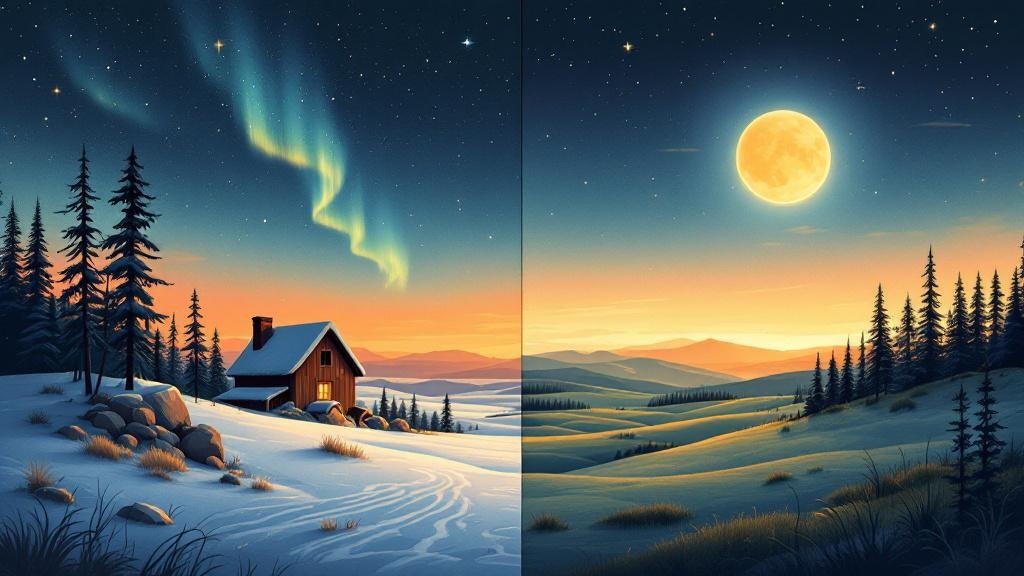
Finns will tell you – and they’re right – that summer Lapland and winter Lapland are two completely different destinations that happen to share the same postcode. Winter is white, dark, and structured around specific paid experiences: aurora hunts, husky safaris, snowmobile rides. Summer is green, endless, and wide open – 24 hours of daylight, empty trails, and a fraction of the cost. Choosing between them isn’t about which is “better.” It’s about what kind of trip you want.
The difference goes deeper than temperature. Winter Lapland runs on a tourism machine: operators, guides, timetables, thermal suits. Summer Lapland is self-directed. You rent a car, pick a trail, pick berries, swim in a lake at midnight because the sun is still up. One season sells you experiences. The other gives you space to create your own.
The big comparison: summer vs winter at a glance
This table covers the essentials. If you’re short on time, this is the section to read.
| Winter (Dec–Mar) | Summer (Jun–Aug) | |
|---|---|---|
| Temperature | −8 to −17°C average (3 to −13°F). Cold snaps to −35°C. | 17–20°C average. Can reach 25–30°C in July. |
| Daylight | 0–8 hours. Polar night (kaamos) in Dec–early Jan: no sunrise at all. | 21–24 hours. Midnight sun Jun–mid-Jul: no sunset at all. |
| Northern lights | ✓ Prime season. Best Sep–Mar. | ✗ Not possible – too bright. |
| Midnight sun | ✗ | ✓ Late May to mid-July. |
| Snow activities | ✓ Husky safaris, snowmobiles, skiing, ice fishing. | ✗ No snow. |
| Hiking | Limited (snowshoe treks). | ✓ Hundreds of km of trails, free wilderness huts. |
| Accommodation cost | €€€ Peak Dec is 2.5× normal. Jan–Feb still high. | €–€€ About 40% cheaper than peak winter in most places. |
| Activity cost | €€€ Most activities 100–250€ per person. | € Hiking, swimming, berry picking: free. Guided hikes 80–150€. |
| Crowds | Heavy in Dec, moderate Jan–Feb, quiet Mar. | Quiet everywhere. Even July is calm by European standards. |
| Best for | Families (Christmas), couples (aurora), bucket-listers. | Hikers, nature lovers, budget travellers, solitude seekers. |
| Mosquitoes | Zero. Too cold. | Intense in Jul. Bring repellent and a head net. Seriously. |
| Driving | Ice and snow. Studded tyres mandatory (included in rentals). | Easy. Long daylight, dry roads. |
Activities unique to each season
Winter-only experiences
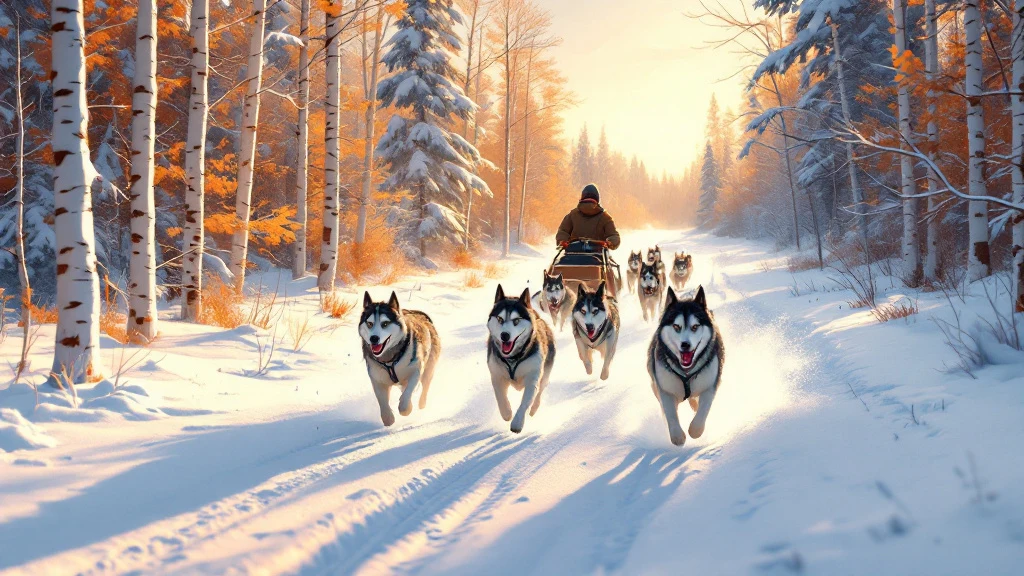
Winter is where the big-ticket Lapland experiences live. Husky safaris run from November through April, with self-driven options starting at from about 160€ for a short run and half-day wilderness trips at around 200 to 250€. Snowmobile safaris cost from about 155€ for a two-hour shared-sled tour. Northern lights tours with small-group operators run about 100 to 190€ for a four-to-six-hour chase. Add a reindeer sleigh ride (35–139€ depending on length) and a night in a glass igloo (250–990€ per night depending on season), and you see where winter budgets go.
Cross-country skiing is one of the quieter winter pleasures – trail access is free across all of Lapland, with groomed networks reaching 200+ km at resorts like Levi and Saariselkä. Equipment rental runs 20–45€ per day. Downhill skiing is gentle compared to the Alps (the biggest vertical drop in Lapland is about 464 metres at Ylläs) but day passes are reasonable at 53–58€ for adults.
Ice fishing is the most Finnish activity you can do. Basic ice fishing with a hand-held jig requires no licence – it’s covered by jokamiehenoikeus (everyman’s right). Guided trips with gear, campfire lunch, and hot drinks start from 89€, or you can buy a cheap jig and do it yourself for free.
Summer-only experiences
Summer flips the model. The best experiences cost nothing. Hiking in Urho Kekkonen National Park (2,550 km², Finland’s second largest) or Pallas-Yllästunturi National Park (1,020 km², Finland’s most visited) is free, including the wilderness huts. The classic Hetta-Pallas trail – 55 km over four days, Finland’s oldest marked route since 1934 – is one of the finest multi-day hikes in Northern Europe, and you don’t pay a cent for the trail or the huts.
Berry picking under jokamiehenoikeus means you can forage anywhere – even private land. Cloudberries (lakka), the gold of Lapland, ripen in late July and August. Blueberries and lingonberries fill the forests from July through September. Guided foraging tours exist (50–80€) but the activity itself is free.
The midnight sun is the headline, and it’s genuinely disorienting. From late May to mid-July, the sun never sets. You can hike at 2 AM in full daylight. You can paddle a lake at midnight with the sun hanging low and orange on the horizon. Time loses meaning in the best way.
Who winter suits better
Families with young children. Winter Lapland was practically designed for family trips. Santa Claus Village in Rovaniemi is the obvious anchor, and the snow activities – short husky rides, reindeer farm visits, snowman building – keep kids thrilled. Operators provide thermal suits for children, so the cold is manageable even for small ones.
Aurora chasers. If seeing the northern lights is your primary goal, winter is the season. You need darkness, and winter delivers. December through February gives you 14–22 hours of dark sky per night. The trade-off is cloud cover – winter skies can be overcast for days. February and March offer a better balance of darkness and clearer weather.
People who want a structured trip. Winter works well if you prefer booking activities in advance and having an itinerary laid out. Tour operators handle the logistics, provide the gear, and take you where you need to go. You don’t need to plan much beyond booking.
Couples on a short trip. A three-to-five-day winter trip packs well: one aurora hunt, one husky or snowmobile safari, one sauna and ice swim, a reindeer visit. It’s concentrated and memorable. Prices are high, but you’re buying once-in-a-lifetime moments, not a beach holiday.

Who summer suits better
Hikers and outdoor enthusiasts. If you’d rather spend a week in a national park than an hour on a snowmobile, summer is yours. Hundreds of kilometres of marked trails, free wilderness huts, and the nationalparks.fi website has everything mapped out. The terrain is gentle – fells, not mountains – but the distances and remoteness are real.
Budget travellers. Summer accommodation prices drop significantly compared to peak winter. The biggest saving isn’t lodging though – it’s activities. Hiking, swimming, berry picking, and fishing are all free. You can spend a week in Lapland without paying for a single activity if you’re happy outdoors.
Photographers. The midnight sun creates light conditions that don’t exist elsewhere. Golden hour lasts for hours. The landscapes – fell heaths, endless bogs, crystal rivers – photograph beautifully without needing the northern lights as a subject.
People who want solitude. Even at the height of summer, Lapland is quiet. Step onto a trail in Urho Kekkonen or the Käsivarsi Wilderness Area and you might not see another person for hours. Compare that to December, when every husky farm and snowmobile track is booked solid.
Budget comparison
This is where summer pulls dramatically ahead. Prices below are per person and from the 2025-26 season; 2026-27 rates are being published through the autumn, so check operator websites or booking platforms for current pricing, as rates change annually.
| Expense | Winter (peak) | Summer |
|---|---|---|
| Accommodation (mid-range hotel) | 130–250€/night (higher in Dec) | Roughly 20–40% less than peak winter |
| Budget cabin | 55–120€/night base (higher in Dec–Feb) | Same base rates or lower |
| Main activity | 110–250€ (husky/snowmobile/aurora tour) | Free–150€ (hiking free, guided day hike 80–150€) |
| Daily food (budget) | 30–45€ | 30–45€ (same supermarkets, same restaurants) |
| Car rental | 60–125€/day | From 37€/day off-peak |
| Typical 5-day trip (mid-range) | €€€ | €–€€ |
The core reason summer is cheaper isn’t just lower prices – it’s that the best summer activities are free. A winter trip with two safari activities easily adds 200–400€ per person to the bill. A summer trip where you hike, swim, and forage adds nothing. Self-catering in a cabin with a kitchen saves another 30–40€ per day on food costs.
The price gap between the seasons just got wider
Summer being cheaper than winter is the obvious part. What changed this season is the size of the gap, because winter activities rose and summer ones did not.
| Activity | Last winter | This winter |
|---|---|---|
| Husky, self-driven safari | 110-125€ | 159-196€ |
| Reindeer ride at Santa Claus Village | 17€ | 30-40€ |
| Snowmobile, 2 hours | 128-160€ | From 156€ |
| Guided foraging (summer) | 50-80€ | 50-80€ |
A guided foraging morning is still 50 to 80€ and berry picking under everyman’s right is free, while the equivalent winter half-day now starts around 160€ and runs past 200€. Accommodation follows the same pattern: an Arctic TreeHouse suite is 332€ in late September and 1,398€ in mid-December.
None of which makes summer the better trip — there are no huskies on snow and no aurora in June. But if the decision is genuinely open, the cost ratio between the seasons is now closer to four to one than three to one, and it moved that way in a single year.
Check dates at Arctic TreeHouse
Arctic TreeHouse Hotel: glass-walled design suites beside SantaPark, breakfast included
The combined trip: why not both?
Some people visit Lapland twice – once in winter, once in summer – and say they felt like they’d been to two different countries. If you have the time, this is genuinely the best way to understand the place. But it doesn’t have to be two separate holidays.
The shoulder months let you taste elements of both seasons. September gives you autumn colours (ruska), the return of dark skies for aurora viewing, comfortable hiking weather, zero mosquitoes, and low prices. It’s arguably the most underrated month in Lapland’s calendar. April offers spring skiing on deep snow under a warm sun, with 13–17 hours of daylight – winter activities with summer-length days.
If you’re planning a longer Finland trip, consider splitting it: fly into Helsinki, take the overnight train to Rovaniemi (departing around 18:00–19:00, arriving 06:00–08:00), and experience one season, then return a different year for the other. The contrast will astonish you. Same fells, same rivers, same cabins – completely different world.
For booking trains, Omio puts all Finnish trains and buses into one English-language platform with easy comparison – useful if you’re planning from abroad. Seats start from 23€ (typically €50–90), and two-person sleeping cabins from 69€ per cabin. Train prices vary significantly by season and how early you book — VR uses dynamic pricing and fares climb steeply as the travel date approaches, more aggressively than flights. Book as far ahead as you can; the cheapest fares sell out fast.
A word about the in-between months
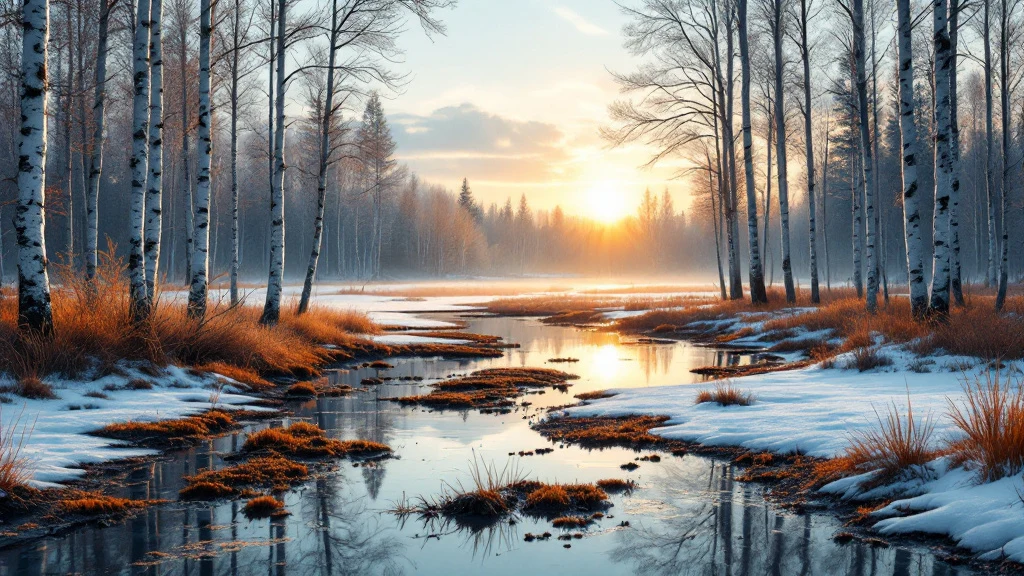
May and early June are mud season (kelirikko). Snow melts, rivers flood, trails are boggy, and winter activities have closed while summer hasn’t started. Avoid this period unless you have very specific plans. Late October and November are similarly in-between: winter is arriving, but snow cover isn’t reliable enough for all activities yet. November improves towards the end of the month – and it’s a great-value window before the Christmas rush.
Book for either season
- Guided foraging in Lapland: berries from mid-July, mushrooms from mid-August, small groups with a local guide
- Husky safari in Rovaniemi: small-group tours, free cancellation, instant confirmation
- Northern lights hunt from Rovaniemi: small groups chasing clear skies, free cancellation
Frequently Asked Questions
Is Lapland worth visiting in summer?
Absolutely – summer Lapland is spectacular for anyone who loves outdoor activities and long days. You get midnight sun, free hiking in national parks, berry picking, and dramatically lower prices than winter. The trade-off is no northern lights and no snow activities. If your main goal was aurora or huskies, wait for winter.
Which season is cheaper, summer or winter?
Summer, significantly. Accommodation can be 20–40% less than peak winter, car rental drops as low as 37€ per day, and the best activities (hiking, swimming, foraging) are free. Winter trips accumulate costs quickly through paid safaris and tours, typically 100–250€ per activity per person.
Can you see the northern lights in summer?
No. The midnight sun means there’s no darkness from late May through mid-July, and the nights remain too bright for aurora viewing until late August. The aurora season runs from late August through mid-April, with September–October and February–March being the peak months.
How cold is Lapland in winter – can you actually enjoy it?
Average temperatures range from −8 to −17°C (3 to 1°F), with cold snaps reaching −35°C. But Lapland’s dry cold feels far less harsh than a windy, humid 0°C in London or Amsterdam. Activity operators provide thermal oversuits, boots, and gloves. Most visitors are surprised by how manageable it is with proper gear.
What about mosquitoes in summer?
July is peak mosquito season and they are intense – this is not a mild inconvenience, it’s a genuine planning consideration. Bring DEET-based repellent and a head net. August is much better, and by September they’re gone entirely. If mosquitoes bother you, aim for late August or September.
Both seasons deliver. The question isn’t which Lapland is better – it’s which Lapland is yours right now. And honestly, most people end up coming back for the other one.
Best Booking Resources for Lapland
These are the booking tools I keep coming back to. They consistently offer the best prices, the most relevant options for northern Finland, and actually work well for Lapland-specific searches, which not all platforms do.
- Kiwi.com: The best source for finding flights and airport connections. I have noticed they find flight connections that other search engines miss.
- Booking.com: I almost always use them for booking hotels and apartments (and occasionally flights). They have the best filters and I like the user-friendly interface.
- Hotels.com: The most popular hotel booking platform in many countries, US included.
- Get Your Guide: A massive selection of tours and excursions, including aurora tours, husky rides, reindeer experiences and more!
- EconomyBookings: Want to explore Lapland or chase auroras yourself? They pool together the best offers from car rental operators for your convenience.
- yesim: Need a local SIM for Lapland? A stress-free holiday nowadays (unfortunately) might start from a good connection, so get an eSIM with unlimited or prepaid data.
- Ekta Traveling: Not interested in checking out the Finnish public health care system on your holiday? Didn’t think so 🙂 Good insurance gets that stress out of the way.
As an Amazon Associate I earn from qualifying purchases. Booking through these links costs you nothing extra and helps keep these guides free and up to date. Thank you!

Planning a Lapland trip?
Ask a Finn. The Lapland Trip Planning: Finland group is where readers compare dates, resorts and real prices for the coming winter.
Join the planning groupFollow on FacebookFollow on Pinterest