
Lapland’s Shoulder Seasons: Why October and April Are Underrated
Some links on this page are affiliate links. If you book through them, I earn a small commission at no extra cost to you. I only recommend services I genuinely use and trust for Lapland travel.
The cheapest time to visit Lapland is when most tourists don’t realise it’s open. April and October sit between the peak seasons – winter’s safari-and-aurora rush and summer’s midnight sun hype – and tour operators barely acknowledge they exist. There’s a reason for that, and it has nothing to do with the quality of the experience.
Charter flight companies need full planes. They can fill them in December (Santa) and February (half-term). They can fill them in July (midnight sun). But a half-empty charter in October doesn’t make business sense, so they simply don’t fly. The result: two genuinely excellent months that most foreign visitors never consider. If you’re flexible on dates and want Lapland without the crowds or the price tag, keep reading.
What “Shoulder Season” Means in Lapland
In most travel destinations, shoulder season means slightly less perfect weather at a discount. Lapland’s shoulder seasons are different – they’re distinct experiences in their own right, not watered-down versions of peak season.
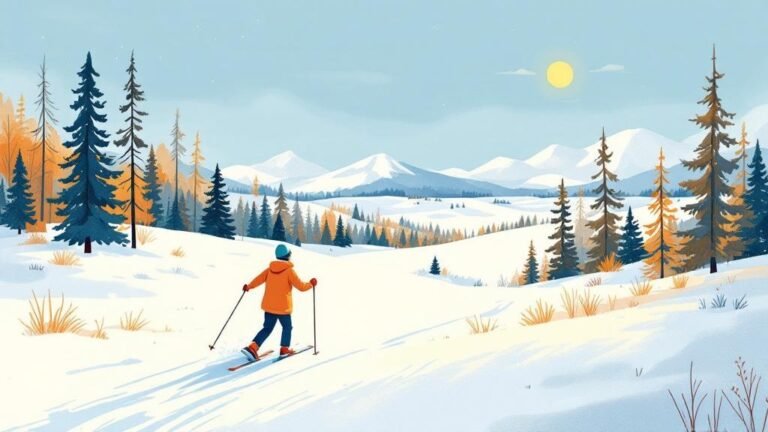
April is the tail end of winter, but with dramatically more daylight and warmth than the core winter months. Snow still covers everything. The ski resorts are open. But the sun is up for 14-16 hours and temperatures hover around −5°C to +5°C (23°F to 41°F). Finns consider this the best time to be in Lapland.
October is the first breath of winter. The autumn colour show (ruska – the Finnish word for the annual explosion of reds and yellows across the fells) has just ended, the first snow may arrive, and the darkness is returning fast. With it come the northern lights, visible again after the bright summer months.
Neither month is “off-season” in the sense of everything being closed. It’s more accurate to say these are local seasons – when Finns use Lapland for themselves, without the tourism machinery running at full volume.
April: The Best-Kept Secret in Finnish Travel
Ask a Finn when they’d go to Lapland and the answer is almost always April, sometimes March. This confuses foreign visitors who associate Lapland with Christmas darkness, but it makes perfect sense once you understand the conditions.
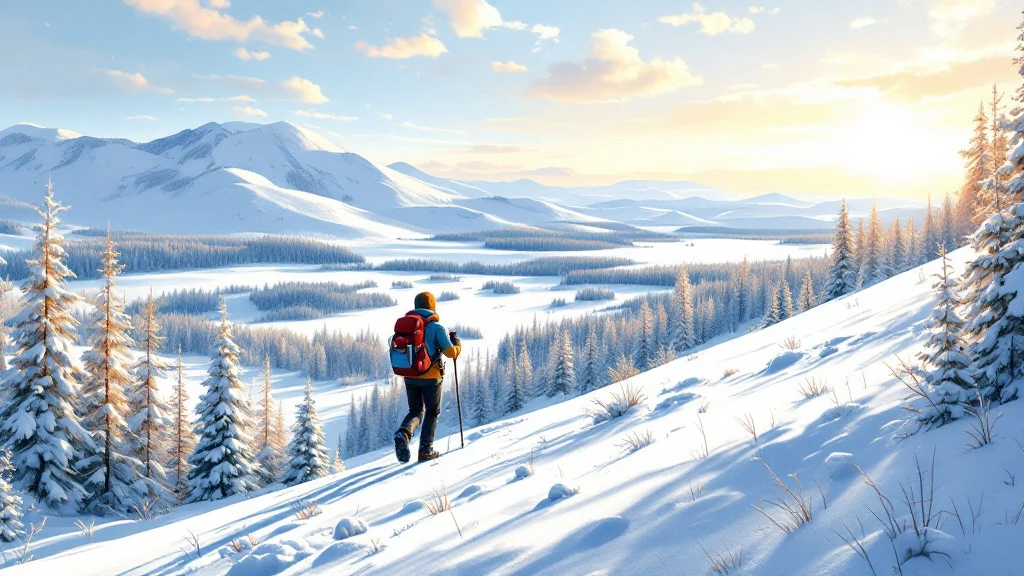
By April, the sun barely sets in northern Lapland. You get long, golden days with the snow still deep and firm – perfect for cross-country skiing, snowshoeing, and snowmobile trips. The light is extraordinary: low sun angles, blue shadows on white snow, pink horizons that last for hours. Photographers know this. Everyone else books December.
What’s Available in April
- Skiing – both cross-country and downhill. Levi and other resorts stay open through April and sometimes into early May. Snow conditions are often better than in January because the surface has consolidated.
- Snowmobile safaris – still running, often at reduced prices.
- Husky safaris – most operators wind down mid-to-late April as conditions warm. Book early in the month if this matters to you.
- Reindeer experiences – available but less common. Many herders move to calving grounds.
- Ice fishing – excellent. Lake ice is thick and safe, and the sitting-in-the-sun-on-a-frozen-lake experience is genuinely pleasant rather than an endurance test.
What’s NOT Available in April
- Northern lights – the sky doesn’t get dark enough by mid-April in most of Lapland. If aurora is your main goal, April isn’t your month.
- Santa Claus Village Christmas atmosphere – it’s open year-round, but the winter decorations and full Santa experience peak November-January.
- Some accommodation – a handful of wilderness lodges close in April for the “between seasons” gap. Major hotels and resorts stay open.
October: Aurora Season Without the Circus
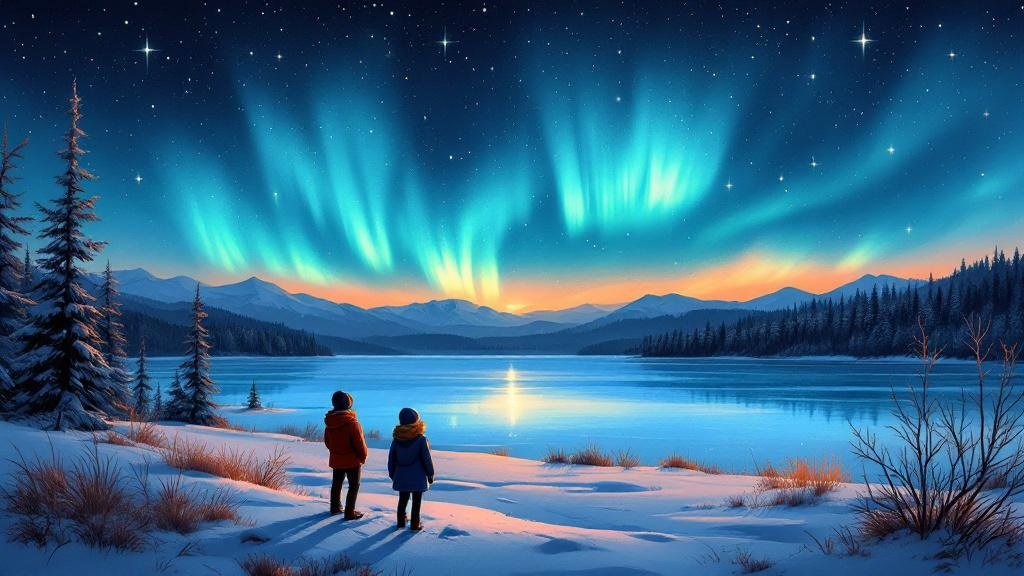
October is when the northern lights return properly. The autumn equinox has passed, nights are lengthening fast, and by mid-October you’re getting 14+ hours of darkness in northern Lapland. That’s a lot of aurora-hunting time.
Here’s something the winter tourism industry doesn’t advertise: October skies are often clearer than December or January skies. Lapland’s deepest winter brings heavy cloud cover – the same weather systems that dump snow also block the aurora. October tends to have colder, drier air masses moving in before the persistent winter clouds establish themselves. No guarantees with weather, ever, but the odds of clear skies can actually be better in October than in the marketed “aurora season” of December-February.
What’s Available in October
- Northern lights – excellent conditions with long dark hours and often clear skies. Check the FMI aurora forecast before heading out each evening.
- Autumn hiking – the late ruska colours linger into early October in some areas, and the trails are quiet. The fells have a stark, moody beauty once the leaves drop.
- Berry picking and foraging – lingonberries and cranberries are still out. Jokamiehenoikeus (every person’s right) means you can pick freely on any land.
- Sámi cultural experiences – some operators in the Inari region run autumn programmes.
- Sauna culture – always available. Nothing beats a lakeside sauna when there’s a cold snap.
What’s NOT Available in October
- Snow activities – no guaranteed snow until late October at the earliest, and often not until November. No skiing, no snowmobiles, no husky safaris.
- Some safari operators – many winter activity companies don’t start until November or December. The selection of bookable activities is thinner.
- Charter flights from the UK – direct flights to Lapland from British airports typically run December-February only. You’ll connect through Helsinki, which adds time but also drops the fare.
Price Savings: Shoulder vs Peak
The savings are real, and they come from multiple directions at once.
| Cost category | Peak season (Dec–Feb) | Shoulder (Apr / Oct) |
|---|---|---|
| Flights (Helsinki–Lapland return) | Towards the higher end of 80-200€ | Often at or near the low end of 80-200€ |
| Flights (London–Rovaniemi return) | 150-400€ (direct charters available) | Via Helsinki only – typically cheaper overall |
| Accommodation | €€€ – peak pricing, often sold out | €–€€ – wide availability, lower rates |
| Activities | Full price, must pre-book weeks ahead | Reduced prices or fewer tourists per group |
| Crowds | Tour buses, queues, full restaurants | Near-empty trails and lodges |
Prices are for the 2025-26 season and change annually – check operator websites or booking platforms for current rates. Accommodation is where you’ll notice the biggest difference. A cabin that goes for peak rates in February might drop significantly in April, and October prices for the same property can be lower still. Add cheaper flights and you’re looking at a substantially cheaper trip overall.
The overnight train from Helsinki to Rovaniemi runs year-round: from €23 for a seat (typically €50–90), 70-100€ for a sleeping cabin, or from €69 per cabin for a private 2-person sleeping cabin. These prices don’t spike as dramatically in shoulder season as flights do in peak, making the train an even better deal relative to flying when you’re already saving on everything else. For easy booking in English, Omio has all Finnish trains and buses in one place with mobile tickets.
Who Should Visit in Shoulder Season
These months aren’t for everyone, and that’s fine. Here’s who they suit best – and who should pick a different time.
April Is Perfect For
- Skiers and snowshoers – arguably the best conditions of the year with long daylight and consolidated snow
- Photographers – the light quality is extraordinary and the landscapes are still fully snow-covered
- Budget travellers – significant savings over December-February with most winter activities still running
- Anyone who hates the dark – if kaamos (the polar night) sounds miserable to you, April is winter Lapland with proper sunshine
October Is Perfect For
- Aurora hunters – long dark nights, often clear skies, and barely any other tourists competing for the same spot
- Hikers who want solitude – the fells are yours. Seriously, yours.
- Couples on a budget – a romantic aurora trip without the premium pricing of December
- Anyone who wants Lapland’s atmosphere without snow activities – if you’re not fussed about huskies and snowmobiles, October delivers the landscape and the lights at a fraction of the cost
Shoulder Season Isn’t Ideal For
- Families with young kids expecting Santa and snow – the full Christmas experience is a December thing, and October likely won’t have snow yet
- People who need a guaranteed activity checklist – fewer operators means fewer options. If you need huskies, reindeer, snowmobile, AND aurora all in one trip, December-March covers that
Frequently Asked Questions
Is April still winter in Lapland?
Yes – snow covers the ground through April in most of Lapland, and temperatures sit around −5°C to +5°C. It looks and feels like winter, but with long sunny days instead of darkness. Ski resorts stay open and most winter activities still run until mid-to-late April.
Can you see the northern lights in October?
October is actually one of the better months for aurora viewing. You get 14+ hours of darkness and the skies tend to be clearer than in deep winter. Head to Inari or Saariselkä for the least light pollution and check the FMI aurora forecast nightly.
Is there snow in Lapland in October?
Usually not until late October at the earliest, and a lasting snow cover often doesn’t arrive until November. If snow activities are important to you, October isn’t the right choice – try April instead, when snow is deep and conditions are excellent.
How much cheaper is shoulder season compared to peak?
Accommodation and flights drop substantially – the exact savings vary by property and route, but expect noticeably lower rates across the board. Activities that do run in shoulder months also tend to be cheaper or offered in smaller, more personal groups. The overall trip cost can be meaningfully lower than a December or February equivalent.
How do I get to Lapland in October or April without charter flights?
Fly via Helsinki on Finnair’s regular domestic routes – Helsinki to Rovaniemi, Kittilä, or Ivalo. Flights take about 1.5 hours and run year-round. Alternatively, the overnight train from Helsinki to Rovaniemi takes 12 hours, departs around 18:00-19:00, and arrives early morning – a great experience in itself.
Best Booking Resources for Lapland
After years of travelling to and around Lapland, these are the booking tools I keep coming back to. They consistently offer the best prices, the most relevant options for northern Finland, and actually work well for Lapland-specific searches, which not all platforms do.
- Kiwi.com: The best source for finding flights and airport connections. I have noticed they find flight connections that other search engines miss.
- Booking.com: I almost always use them for booking hotels and apartments (and occasionally flights). They have the best filters and I like the user-friendly interface.
- Hotels.com: The most popular hotel booking platform in many countries, US included.
- Get Your Guide: A massive selection of tours and excursions, including aurora tours, husky rides, reindeer experiences and more!
- EconomyBookings: Want to explore Lapland or chase auroras yourself? They pool together the best offers from car rental operators for your convenience.
- yesim: Need a local SIM for Lapland? A stress-free holiday nowadays (unfortunately) might start from a good connection, so get an eSIM with unlimited or prepaid data.
- Ekta Traveling: Not interested in checking out the Finnish public health care system on your holiday? Didn’t think so 🙂 Good insurance gets that stress out of the way.
Booking through these links costs you nothing extra and helps keep these guides free and up to date. Thank you!