
Reindeer Farm Visits in Lapland: What to Expect
Updated 25 September 2026.
Some links on this page are affiliate links. If you book through them, I earn a small commission at no extra cost to you. I only recommend services I genuinely trust for Lapland travel.
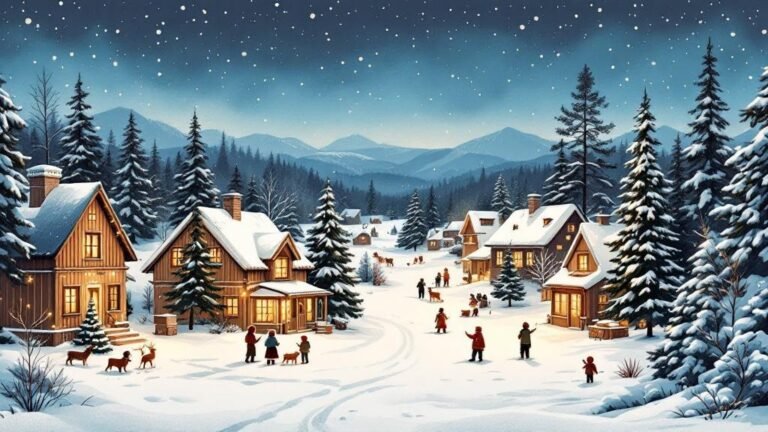
Reindeer in Finnish Lapland aren’t zoo animals. They’re semi-wild, roaming free across vast fells and forests for most of the year. What tourists call a “reindeer farm” is really more of a gathering point – a place where herders bring part of their herd so visitors can meet the animals and learn about a way of life that’s been going on here for centuries. doing a sleigh ride through snowy forest or feeding a reindeer from your hand, the experience is quieter and more genuine than you might expect. It’s also one of the few Lapland activities where you can connect directly with Sámi culture – if you choose the right operator.
Here’s what actually happens, what it costs, and how to tell the difference between a meaningful cultural experience and an overpriced petting zoo.
Time with the herders
Reindeer farm visit near Rovaniemi: meet the herders, free cancellation, instant confirmation
What a Reindeer Farm Visit Involves
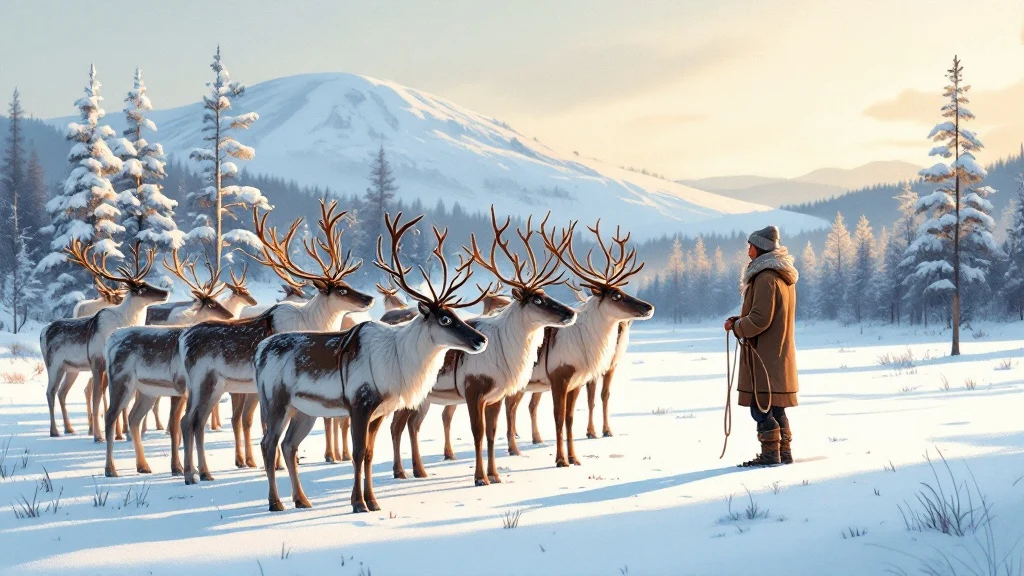
Most visits last one to two hours. You arrive at the farm, meet the herder, and get an introduction to reindeer herding – how the animals live, how they’re managed across the seasons, and what the herding year looks like. Then you feed the reindeer. They eat lichen (jäkälä) from your hand and they’re remarkably gentle about it, though they will nudge you for more.
After feeding, many farms include a warm drink by the fire in a kota – a traditional Sámi tent – with some conversation and often a snack. The better operators talk about their family’s herding history, the challenges of modern reindeer husbandry, and how climate change is affecting the animals. The weaker ones hand you a bucket of lichen and leave you to it.
Visits that include a sleigh ride add another 15-30 minutes on a reindeer-pulled sled through the surrounding forest. This is where expectations need adjusting: reindeer are not huskies. They walk. Sometimes they trot briefly. A reindeer sleigh ride is slow, rhythmic, and meditative – the creak of the sled runners, the sound of hooves on packed snow, the forest closing in around you. That’s the point. If you want speed, book a husky safari.
Sleigh Rides vs Farm-Only Visits
There are two main types of experience, and the price difference is significant.
| Experience | Duration | Price (2025-26 season) | Includes | Best for |
|---|---|---|---|---|
| Short sleigh ride | ~1 hour | 35-60€ | Brief intro, short ride (500m-2km), feeding | Families with young kids, tight schedules |
| Farm visit + safari | ~2 hours | 125-140€ | Cultural introduction, longer ride, feeding, warm drinks in kota, conversation with herder | Anyone wanting the full experience |
Prices are from the 2025-26 season; 2026-27 rates are being published through the autumn, so check operator websites or booking platforms for current rates.
The short ride at 35-60€ is fine if you have small children or just want to tick the box. But the longer experience at 125-140€ is where the real value lies. The extra time gives the herder space to actually talk about their life, and you get a proper ride through the forest rather than a loop around a paddock. If your budget allows only one version, spend more on fewer people rather than cheapening the experience for everyone.
Sámi Herder Farms vs Tourist Operations
This is the single most important choice you’ll make when booking a reindeer experience. There are two very different types of operation in Lapland, and the gap between them is real.
Sámi-run herding operations are run by families who actually herd reindeer for a living. Tourism is a side income, not the main business. These herders can talk about their animals because they know each one. They can explain how Sámi culture and reindeer are inseparable because they’ve lived it. The experience feels like visiting someone’s workplace and hearing their story. In Inari, the Paadar family farm and Renniina both offer this kind of genuine Sámi reindeer experience.
Tourist-focused farms are commercial operations built primarily around the visitor economy. Some are run by Finnish families with genuine herding backgrounds – around Rovaniemi, SieriPoro Safaris comes from a herding family dating back to the 1800s, and Porohaka is a small family farm nearby. These are honest operations with real roots. Others, though, are little more than a paddock with a few reindeer and a gift shop. The animals are there as props.
How to tell the difference? Look at the operator’s story. Do they talk about herding as their livelihood? Is there cultural context, or just animal encounters? Sámi-operated experiences explicitly identify as such. If there’s no mention of culture or heritage on the website, it’s probably a tourist-first operation.

Where to Go: Operators by Region
Your location in Lapland largely determines which farms are accessible. Here’s a quick breakdown of notable operators.
| Area | Operator | Notes |
|---|---|---|
| Rovaniemi | SieriPoro Safaris | Herding family since 1800s. Well-established. |
| Rovaniemi | Porohaka | Small family farm, intimate feel. |
| Inari | Paadar family farm | Sámi-run, strong cultural programme. |
| Inari | Renniina | Sámi reindeer experience. |
| Levi | Northern Lights Village Levi | Reindeer experiences included with stays. |
| Saariselkä | Northern Lights Village Saariselkä | On-site reindeer farm. |
If your trip is centred around Rovaniemi, you’ll have easy access to family-run farms with genuine herding heritage. If you’re basing yourself in Inari – the heartland of Sámi culture in Finland – the Sámi-run operations there offer the most culturally rich experience. Levi and Saariselkä have convenient resort-attached options that work well when you’re already staying at those villages.
For your first reindeer experience, booking through a platform gives you free cancellation and English customer support – a worthwhile safety net when planning from abroad. If you’ve been to Lapland before and know exactly which operator you want, booking direct can sometimes save a little.
Stay where the reindeer are
- Northern Lights Village Saariselka: glass-roofed aurora cabins in Saariselka
- Northern Lights Village Levi: glass-roofed aurora cabins in Levi
When to Visit a Reindeer Farm
Reindeer farms operate almost year-round, but what you can do varies by season.
December through March is peak season. Sleigh rides require snow, so this is the only window for the full ride-and-visit experience. December is busiest (and most expensive), while March offers longer days, deep snow, and quieter conditions.
April is limited. Many farms close for calving season – the reindeer are giving birth and the herders are busy with real herding work, not tourism. Don’t book for late April without checking first.
June through October brings a different experience. No sleigh rides, but you can visit the animals, feed them, and hear the herders’ stories. Summer reindeer wear their velvet antlers and the calves are around – it’s a different atmosphere entirely. Fewer tourists too.
May is off-limits at most farms. It’s calving season proper and the herds are left alone.
November is tricky. Snow hasn’t usually settled enough for sleigh rides, but farms may offer visits and feeding. It’s a grey zone.

Feeding Reindeer
This is the part kids (and most adults) remember best. Reindeer eat lichen – that pale, spongy moss you see covering the ground and rocks across Lapland. At farms, you’ll usually get a handful or bucket of lichen to feed them by hand.
Reindeer are calm, curious animals with soft muzzles. They won’t bite. Young children can feed them safely with minimal supervision, though the animals can be pushy when they smell food. A reindeer nudging a three-year-old over is not dangerous but it’s startling – stay close.
One thing people don’t expect: reindeer have a strong smell. It’s not unpleasant exactly, but it’s animal. If you’re wearing a nice jacket, be prepared for it to smell like reindeer for the rest of the day.
Cultural Context: Why This Matters
Reindeer herding isn’t a tourist attraction that was invented for visitors. It’s the economic and cultural backbone of Sámi life in northern Scandinavia, going back thousands of years. In Finland, reindeer herding is legally protected – only people within the official reindeer herding area can own reindeer, and Sámi people have specific rights tied to it.
When you visit a Sámi herder’s operation, you’re participating in something real. The money goes to families who depend on herding. The stories you hear are their lives. This isn’t performative culture – it’s a working livelihood that has adapted to include tourism as a way to survive economically.
That said, approach it with respect. Ask before photographing people (the reindeer don’t mind). Listen more than you talk. Don’t compare it to other “animal experiences” you’ve had. And tip if exceptional – it’s not expected in Finland but it’s appreciated when someone has shared their personal story with you.
For more on how to engage respectfully with Sámi culture, including what to buy, what to avoid, and the history behind modern Sámi tourism, we’ve written a separate guide.
Frequently Asked Questions
How fast does a reindeer sleigh go?
Walking pace – roughly 5-8 km/h. Reindeer can run much faster (up to 60-70 km/h in the wild), but tourist sleigh rides are deliberately slow and peaceful. If the reindeer breaks into a brief trot, consider yourself lucky.
Is a reindeer farm visit worth it for adults without children?
Yes – especially the longer Sámi-run experiences in Inari. The cultural conversation with a herder about their way of life is genuinely fascinating for adults. The shorter “pet and ride” experiences lean more towards families, though.
Can you visit reindeer farms in summer?
Most farms offer summer visits from June onwards – you can feed the animals and hear about herding culture, though sleigh rides are obviously unavailable without snow. Summer visits tend to be quieter and less expensive. Avoid May entirely, as it’s calving season.
What should I wear to a reindeer farm?
In winter, dress warmly in layers – you’ll be standing outside and sitting on a sled. Most operators provide thermal blankets for the ride but not full thermal suits like husky safaris do. Bring warm boots, thick gloves, and a hat that covers your ears. Wear something you don’t mind getting reindeer-scented.
Are reindeer farm visits ethical?
At genuine herding operations, yes. The reindeer are semi-wild animals that spend most of their lives roaming freely. Farm visits happen at gathering corrals that are part of normal herding infrastructure. Choose Sámi-run or family herding operations over purely commercial setups, and you’re supporting a traditional livelihood rather than an artificial attraction.
A reindeer farm visit is one of the quieter, more meaningful things you can do in Lapland – as long as you choose the right operator. Spend your money where it supports real herding families, take the slower pace as a feature not a bug, and you’ll leave with a genuine understanding of what these animals mean to the people of the north.
Best Booking Resources for Lapland
These are the booking tools I keep coming back to. They consistently offer the best prices, the most relevant options for northern Finland, and actually work well for Lapland-specific searches, which not all platforms do.
- Kiwi.com: The best source for finding flights and airport connections. I have noticed they find flight connections that other search engines miss.
- Booking.com: I almost always use them for booking hotels and apartments (and occasionally flights). They have the best filters and I like the user-friendly interface.
- Hotels.com: The most popular hotel booking platform in many countries, US included.
- Get Your Guide: A massive selection of tours and excursions, including aurora tours, husky rides, reindeer experiences and more!
- EconomyBookings: Want to explore Lapland or chase auroras yourself? They pool together the best offers from car rental operators for your convenience.
- yesim: Need a local SIM for Lapland? A stress-free holiday nowadays (unfortunately) might start from a good connection, so get an eSIM with unlimited or prepaid data.
- Ekta Traveling: Not interested in checking out the Finnish public health care system on your holiday? Didn’t think so 🙂 Good insurance gets that stress out of the way.
As an Amazon Associate I earn from qualifying purchases. Booking through these links costs you nothing extra and helps keep these guides free and up to date. Thank you!

Planning a Lapland trip?
Ask a Finn. The Lapland Trip Planning: Finland group is where readers compare dates, resorts and real prices for the coming winter.
Join the planning groupFollow on FacebookFollow on Pinterest