

Hidden Costs in Lapland Nobody Tells You About
Updated 16 September 2026.
Some links on this page are affiliate links. If you book through them, I earn a small commission at no extra cost to you. I only recommend services I genuinely trust for Lapland travel.
You’ve budgeted for flights, accommodation, and a couple of activities. Then you arrive in Lapland and discover the snowmobile safari has a damage deductible that could cost you 900€. The Santa photo is 55€. Your phone dies in the cold. And nobody mentioned parking fees. These hidden costs in Lapland don’t appear in most travel guides, but they add up fast – sometimes hundreds of euros over a week. Here’s what actually catches people off guard, and how to avoid the worst of it.
Snowmobile Damage Deductible – The Big One
This is the expense that genuinely shocks people. When you sign up for a snowmobile safari (100-160€ for a 1-2 hour tour, 190-240€ for a half-day), the price includes basic insurance. What it doesn’t prominently mention is the excess – the amount you’re liable for if the machine gets damaged. That deductible typically runs 500-900€ per incident.
Damage happens more often than you’d think. You’re driving a powerful machine on icy terrain, often in low light or darkness. A minor tip-over can crack a windshield or dent bodywork. The operator won’t chase you for the full repair cost, but they will charge you that excess. Some operators offer a reduced-excess option for an additional fee at sign-up – always ask about this before the safari starts, not after you’ve already signed the waiver.
Drivers need a valid category B driving licence (the physical card – a phone screenshot won’t do). If you’d rather not take the risk at all, riding as a passenger on a tandem snowmobile means zero liability for damage. You still get the experience, minus the stress.
The Santa Photo Trap
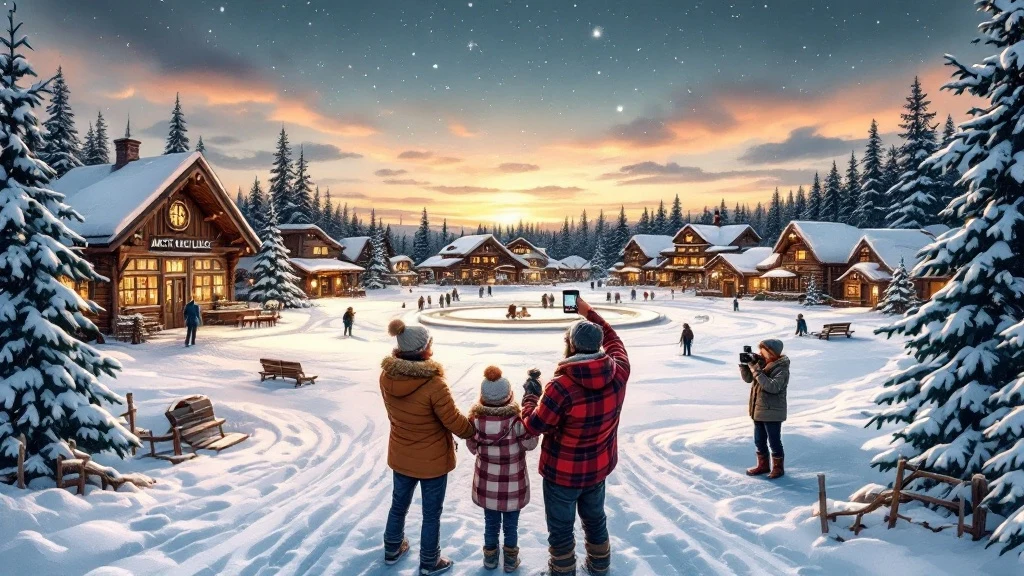
Santa Claus Village in Rovaniemi is free to enter and free to walk around. Meeting Santa in his office? Also free. But the photo with Santa starts from 55€ – and you can’t take your own photo during the official meeting. Families with two or three kids learn this the expensive way.
There’s also a digital package option that costs more, and various add-ons in the shops surrounding the village. Santa Claus Village is essentially a well-designed spending machine disguised as a Christmas attraction. None of this is hidden exactly – it’s just not what people expect when they hear “free to visit.”
Winter Clothing Rental
Most activity operators provide thermal oversuits, boots, and gloves as part of your safari booking. But if you’re spending time outdoors on your own – walking around town, chasing the northern lights, or just getting from your cabin to the restaurant – you need serious winter clothing. If you didn’t bring your own, rental shops in resort towns will charge you roughly 30-50€ per day for a full kit (outer suit, boots, gloves, balaclava).
Over a five-day trip, that’s 150-250€ just on clothing rental. You can avoid this entirely by packing your own layering system. Good merino base layers, a proper down or synthetic mid-layer, and a windproof outer shell will handle Lapland winter without any rental needed. It’s an upfront investment, but you keep the clothes.

Fuel Costs and Parking
If you’ve rented a car (50-80€ per day with mandatory studded winter tyres included), the rental price is just the beginning. Fuel in Finland is expensive by North American standards, and distances in Lapland are large. Driving from Rovaniemi to Inari is about 330 kilometres – one way. A day trip to a national park or a neighbouring resort can easily burn through a quarter tank.
Then there’s parking. Activity centres and safari departure points sometimes charge for parking, and it’s rarely mentioned in the booking confirmation. Resort town centres usually have paid parking as well. Individual fees are small – a few euros here and there – but over a week of daily activities, they accumulate into a noticeable line item.
Tips and Service Charges
Finland has no tipping culture. Service charges are included in all prices – restaurants, taxis, hotels, safari guides. Nobody expects a tip, and nobody will give you a dirty look for not leaving one. This is genuinely good news for your budget.
That said, if a safari guide spent four hours driving you to see the aurora in −25°C (−13°F) and you want to show appreciation, a small tip is welcome but never expected. Round up to the nearest convenient amount or leave 5-10€. Don’t stress about percentages. Finnish service workers earn a living wage – your tip is a nice gesture, not their income.

Currency and Card Payment
Finland uses the euro, and it’s one of the most cashless societies on the planet. You can pay by card everywhere – restaurants, taxis, market stalls, tiny village shops, even some public toilets. Contactless payment works universally. You might go your entire trip without touching a single coin.
The hidden cost here isn’t currency exchange (you probably won’t need cash at all) but your bank’s foreign transaction fees. Some UK and US debit cards charge 2.5-3% on every overseas transaction. Over a week of spending, that adds up. Check your card’s fees before you travel. Cards with no foreign transaction fees exist from most major banks – getting one before your trip is worth the effort.
Prices listed here are from the 2025-26 season; 2026-27 rates are being published through the autumn, so check operator websites or booking platforms for current rates.
Quick Reference: Hidden Costs at a Glance
| Hidden Cost | Typical Amount | How to Avoid or Reduce |
|---|---|---|
| Snowmobile damage deductible | 500-900€ if triggered | Buy reduced-excess option, ride as passenger, check travel insurance |
| Santa photo package | From 55€ per photo | Take free photos outside the office, skip the official shot |
| Winter clothing rental | 30-50€/day | Pack your own layering system |
| Fuel (rental car) | Varies – high per litre, long distances | Use operator pickup services, plan routes efficiently |
| Parking at activities | A few euros per stop | Book operators with hotel pickup |
| Foreign transaction fees | 2-3% per transaction | Use a no-fee card |
| Tips | 0€ (not expected) | Nothing to avoid – this one saves you money |
Cover the trip before you book the rest
Travel insurance for Lapland: cover for winter activities and medical costs from Ekta, priced per trip
Frequently Asked Questions
Do I really need to worry about snowmobile damage costs?
Yes – the deductible of 500-900€ is real and gets charged more often than operators like to advertise. Even experienced drivers can tip a snowmobile on icy trails. Ask about the reduced-excess option before your safari and confirm whether your travel insurance covers motorised vehicle activities.
Can I use cash in Lapland?
You can, but you almost certainly won’t need to. Finland runs on card payments, including contactless, everywhere from restaurants to remote village shops. The bigger concern is your bank’s foreign transaction fees – a no-fee card will save you more than hunting for an ATM.
Is winter clothing rental worth it or should I bring my own?
If you already own decent outdoor layers (merino base, insulating mid-layer, windproof shell), bring them and save 30-50€ per day on rental. If you don’t own any winter gear and aren’t planning to use it again, rental is convenient but adds significant cost over a multi-day trip. Activity operators provide thermal oversuits for safaris regardless – the rental is for your free time.
Are tips expected in Lapland?
No. Finland has no tipping culture and all service charges are included in listed prices. Staff earn proper wages. If a guide goes above and beyond, a small gesture of 5-10€ is appreciated but never expected or required.
The thing about Lapland’s hidden costs is that none of them are actually hidden – they’re just not mentioned upfront. Now you know where the surprises are. Budget for the ones that apply to your trip, avoid the ones you can, and you’ll have a much more honest picture of what your trip will actually cost.
Best Booking Resources for Lapland
These are the booking tools I keep coming back to. They consistently offer the best prices, the most relevant options for northern Finland, and actually work well for Lapland-specific searches, which not all platforms do.
- Kiwi.com: The best source for finding flights and airport connections. I have noticed they find flight connections that other search engines miss.
- Booking.com: I almost always use them for booking hotels and apartments (and occasionally flights). They have the best filters and I like the user-friendly interface.
- Hotels.com: The most popular hotel booking platform in many countries, US included.
- Get Your Guide: A massive selection of tours and excursions, including aurora tours, husky rides, reindeer experiences and more!
- EconomyBookings: Want to explore Lapland or chase auroras yourself? They pool together the best offers from car rental operators for your convenience.
- yesim: Need a local SIM for Lapland? A stress-free holiday nowadays (unfortunately) might start from a good connection, so get an eSIM with unlimited or prepaid data.
- Ekta Traveling: Not interested in checking out the Finnish public health care system on your holiday? Didn’t think so 🙂 Good insurance gets that stress out of the way.
As an Amazon Associate I earn from qualifying purchases. Booking through these links costs you nothing extra and helps keep these guides free and up to date. Thank you!

Planning a Lapland trip?
Ask a Finn. The Lapland Trip Planning: Finland group is where readers compare dates, resorts and real prices for the coming winter.
Join the planning groupFollow on FacebookFollow on Pinterest