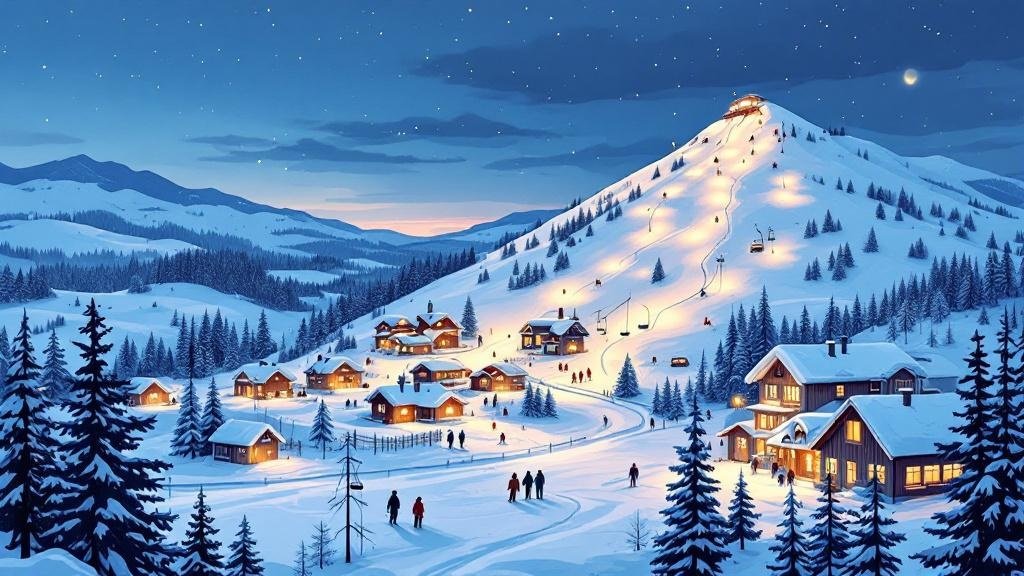
Levi Guide: Lapland’s Biggest Resort
Levi is Finnish Lapland’s biggest ski resort and the most developed tourism base in the region. It’s got the infrastructure you’d expect from a major European ski destination – dozens of hotels, restaurants, bars, ski lifts, and activities. For many visitors, especially families and first-timers, this is exactly what they want. For others seeking pristine wilderness, it feels too commercial.
The reality is somewhere in between. Yes, Levi is busy and built-up by Lapland standards. But it’s also efficient, reliable, and offers more options than anywhere else in Finnish Lapland. Whether that’s good or bad depends entirely on what you’re looking for.
Levi Overview
Levi sits at the base of Levi Fell (531m) in the municipality of Kittilä, 170km north of the Arctic Circle. The fell itself isn’t particularly impressive by Alpine standards, but it’s perfectly sized for Nordic skiing and creates a proper resort atmosphere with lit slopes visible from the village.
The resort serves around 400,000 visitors annually, making it the busiest ski destination in Finland. Peak season runs from December to April, with the busiest weeks being Christmas/New Year and Finnish school holidays in February and March.
The village centers around the tourist area at the base of the fell, with most hotels, restaurants, and activity operators within a few hundred metres of each other. It’s designed for convenience – you can walk everywhere or take the free shuttle buses that run regularly during peak season.
Levi Ski Resort Details
Levi Ski Resort operates 43 slopes served by 27 lifts, including 3 gondolas and multiple chairlifts. The vertical drop is 325m, which sounds modest but provides decent skiing for Nordic standards. The longest run is 2.5km.
| Difficulty | Number of Slopes | Total Length |
|---|---|---|
| Beginner (Green) | 11 | 8km |
| Intermediate (Blue) | 20 | 22km |
| Advanced (Red) | 10 | 12km |
| Expert (Black) | 2 | 1.5km |
The terrain is ideal for beginners and intermediate skiers. Families particularly appreciate the gentle slopes and excellent ski schools. Advanced skiers can find steeper runs on the front face, but experts looking for challenging terrain should consider the Alps instead.
Lift ticket prices for 2025-26 season range from 48€ for a day pass to 220€ for a 6-day pass. Children under 12 ski free with a paying adult. Equipment rental costs around 35-45€ per day for skis, boots, and poles.
The ski season typically runs from November through early May, though reliable snow usually arrives by mid-December. March and April often have the best conditions – deep snow base, longer daylight hours, and fewer crowds than peak winter.
Non-Skiing Activities
Levi offers the full menu of Lapland winter activities, with more operators and options than smaller destinations. This means better availability but also higher prices and more crowded experiences.
Husky safaris are everywhere – literally dozens of operators offer trips ranging from 1-hour taste sessions (80-100€) to full-day adventures (200-300€). The shorter trips are fine for kids and first-timers, but the longer safaris get you away from the resort crowds.
Reindeer farms cluster around Levi, offering everything from quick visits (40-60€) to overnight stays in traditional kota tents. The reindeer experiences here are more touristy than in remote locations, but they’re also more accessible for families with young children.
Snowmobile safaris start around 120€ for 2-hour trips, going up to 400-500€ for full-day excursions to the Norwegian border. You’ll need a valid driving license, and two people typically share one snowmobile unless you pay extra for individual machines.
Aurora hunting is big business in Levi. Glass igloos, aurora cabins, and guided photography tours are everywhere. The light pollution from the resort affects visibility directly above the village, but operators take you to darker locations 15-30 minutes away.
Summer activities include hiking on Levi Fell (free, well-marked trails), mountain biking on dedicated trails, and the Levi Bike Park for downhill mountain biking. The midnight sun period (mid-May to late July) creates nearly endless daylight for outdoor activities.

Accommodation Options
Levi has more accommodation variety than anywhere else in Lapland, from budget hostels to luxury spa hotels to authentic log cabins. The trade-off is that nothing feels particularly intimate or unique – it’s all quite commercial.
The main hotel zone sits at the base of the fell, with properties like Hotel Levi Panorama, Break Sokos Hotel Levi, and Levi Hotel Spa within walking distance of lifts and restaurants. Expect 150-400€ per night depending on season and room type.
Cabin rentals are popular for longer stays and families. Traditional log cabins sleep 4-8 people and typically include sauna, full kitchen, and living area. Prices range from 200-600€ per night, making them economical for groups when split between multiple people.
Glass igloos and aurora cabins cluster around Levi, offering the Instagram-worthy experience of sleeping under the northern lights. These typically cost 300-800€ per night and book up fastest during aurora season (October-March).
Budget options include Levi Hostel and several guesthouses charging 60-120€ per night for basic rooms. Some cabin rental companies offer smaller, simpler cabins for 100-200€ per night.
Getting to Levi
Kittilä Airport sits just 15 minutes from Levi center, making it the most convenient airport-to-slopes connection in Lapland. This is Levi’s biggest practical advantage – you can land and be on the mountain within an hour.
During winter season, Kittilä receives direct flights from London, Manchester, Berlin, Zurich, and several other European cities. Most UK visitors fly direct with airlines like easyJet, Jet2, or TUI. Flight time from London is about 3 hours 15 minutes.
Airport transfers cost 15-25€ per person on shared shuttles, or about 40-60€ for a private taxi. Many hotels offer pickup services, and car rental desks operate at the airport if you’re planning to explore beyond Levi.
If flying via Helsinki, the connection is with Finnair operating 3-4 daily flights to Kittilä during winter season. Total journey time from European capitals is typically 5-7 hours including connections.
Driving from Helsinki takes 10-11 hours via E75 and E79. The route is well-maintained but requires winter driving experience and proper tires from November through April. Many visitors combine Levi with other Lapland destinations on a driving circuit.
Restaurants and Nightlife
Levi has the most restaurants and bars of any Lapland destination, though “most” is relative – we’re still talking about a small resort town, not a major city. The dining scene centers around traditional Finnish/Lappish cuisine with some international options.
Restaurant prices reflect the tourist location and remote setting. Expect 25-40€ for main courses at mid-range restaurants, 15-25€ for casual dining, and 45-65€ for fine dining experiences. Many hotels include breakfast, which helps offset dinner costs.
Local specialities include reindeer (served everywhere), Arctic char, cloudberries, and lingonberries. Restaurant Kammi offers upscale Lappish cuisine in a traditional kota setting. Panorama Restaurant provides mountain views with international dishes. Several pizzerias and burger joints serve simpler fare for 12-20€.
Nightlife revolves around a handful of bars and clubs concentrated in the resort center. Pub Pannupata draws the après-ski crowd with live music and local beers. Hullu Poro (Crazy Reindeer) Club stays open late with DJ sets and dancing. The scene is lively during peak season but quiet in shoulder months.
The local brewery, Lappish Beer, produces several varieties available throughout the resort. Finnish alcohol prices are high due to taxation – expect 8-12€ for beer, 12-18€ for cocktails in bars.
Who Levi Suits
Levi works best for visitors who want convenience, options, and infrastructure over authenticity and wilderness. It’s particularly suited to:
Families with children – the gentle slopes, variety of activities, walkable village, and abundance of family-friendly accommodation make logistics easier. Kids’ programs and English-speaking staff are standard.
First-time Lapland visitors – everything is clearly signposted, widely available, and professionally organized. You’re unlikely to have a bad experience, even if you don’t have an authentic one.
Groups wanting nightlife – Levi has the most bars, restaurants, and evening entertainment in Lapland. Other destinations roll up the sidewalks by 10pm.
Skiers prioritizing mountain time – the slopes are right there, conditions are reliable, and lift systems are modern. No long transfers or weather delays.
Levi is less suitable for visitors seeking pristine wilderness, Sami culture, or intimate experiences. The resort atmosphere dominates everything. Wildlife viewing is limited compared to more remote locations, and aurora visibility suffers from light pollution.
| Pros | Cons |
|---|---|
| Easy airport access (15 min) | Commercial, resort atmosphere |
| Most activity options in Lapland | Higher prices than remote areas |
| Reliable snow conditions | Light pollution affects aurora viewing |
| Walkable village center | Crowded during peak season |
| Family-friendly infrastructure | Limited wilderness/cultural experiences |
Budget-conscious travelers should know that Levi is expensive even by Finnish standards. Competition among operators keeps activity prices reasonable, but accommodation, dining, and drinks cost more than in smaller destinations.
Solo travelers and couples seeking romance might prefer smaller, more intimate destinations like Luosto or Muonio. Levi’s strength is convenience and options, not atmosphere or authenticity. But for visitors who prioritize having everything they need within walking distance, it delivers exactly that.
Best Booking Resources for Lapland
After years of travelling to and around Lapland, these are the booking tools I keep coming back to. They consistently offer the best prices, the most relevant options for northern Finland, and actually work well for Lapland-specific searches — which not all platforms do.
- Skyscanner – The best flight search engine for Lapland routes. It catches the budget airlines and seasonal charters that other search tools miss, and the price alerts are genuinely useful for spotting deals on Helsinki-Rovaniemi or direct UK routes.
- VR Finnish Railways – The only way to book Finland’s overnight trains. The Santa Claus Express from Helsinki to Rovaniemi is an experience in itself — book early for the cabin berths, they sell out weeks ahead in peak season.
- DiscoverCars – Compares all the major rental companies at Lapland airports in one search. Crucially, they show which rentals include studded winter tyres — mandatory in Lapland and a detail other comparison sites bury in the fine print.
- Booking.com – Has the widest selection of Lapland accommodation by far, including cabins, glass igloos, and small family-run guesthouses that don’t list elsewhere. Free cancellation on most properties makes it low-risk for planning ahead.
- GetYourGuide – The largest marketplace for Lapland activities: husky safaris, snowmobile tours, aurora trips, reindeer visits. You can compare operators and prices side by side, and most bookings are cancellable up to 24 hours before.
- SafetyWing – Travel insurance designed for adventurous trips. Covers winter sports, extreme cold activities, and medical evacuation — all relevant when you’re snowmobiling at -25°C. Affordable and the claims process is straightforward.
- Holafly – eSIM that works in Finland from the moment you land. No hunting for local SIM cards at the airport, no roaming surprises. Set it up on your phone before departure and you’re connected in Lapland immediately.
Some of the links above are affiliate links — if you book through them, I earn a small commission at no extra cost to you. I only recommend services I genuinely use and trust for Lapland travel.